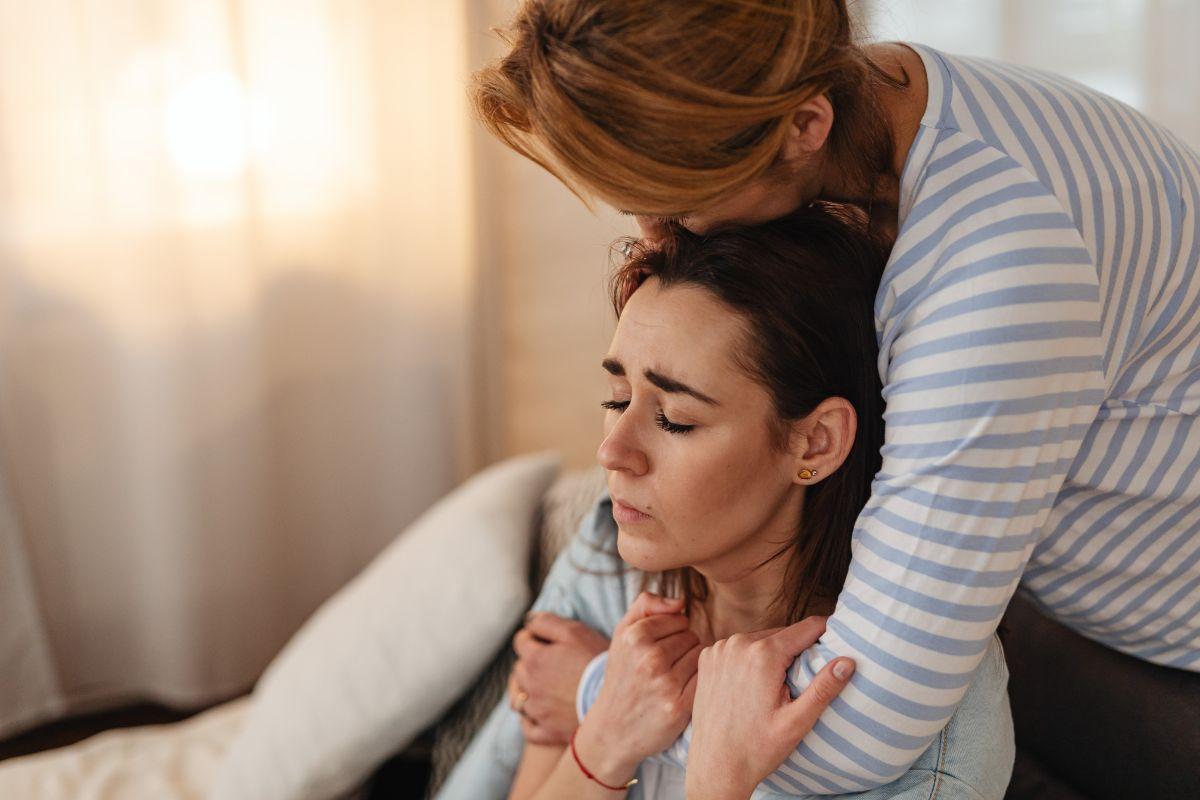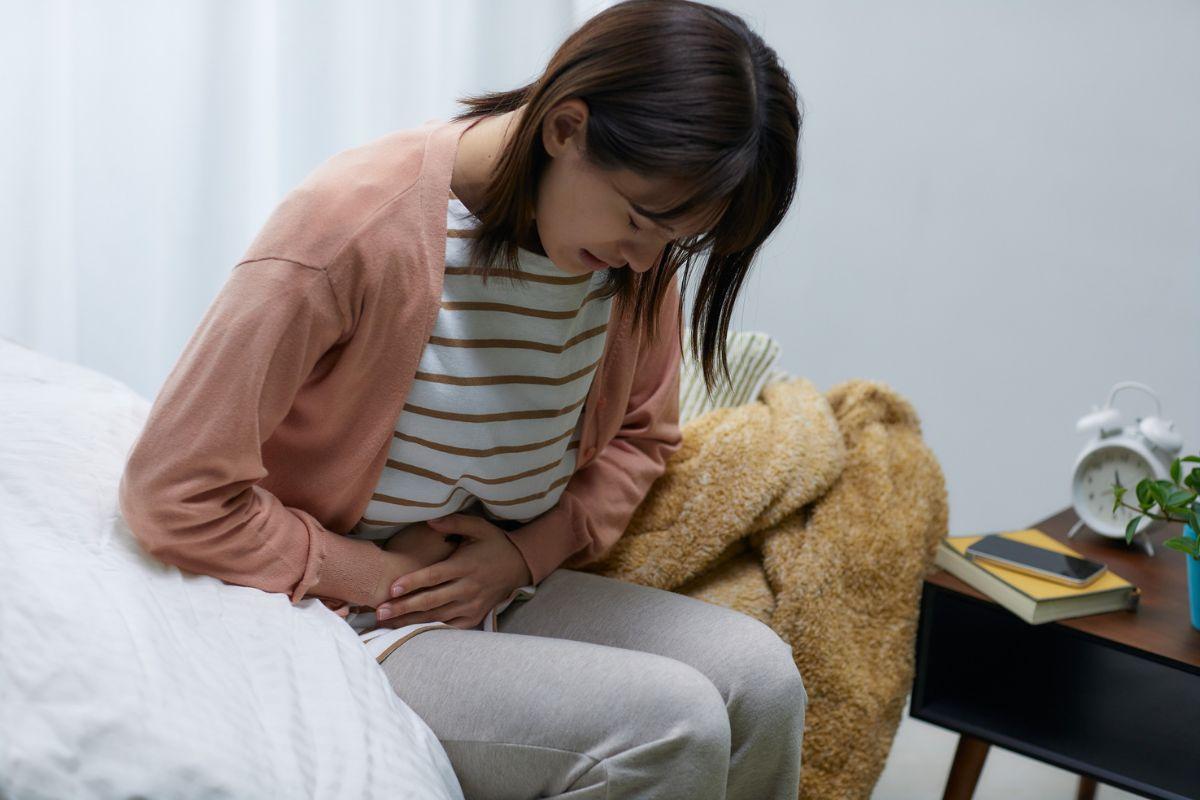
For many, a certain amount of discomfort during “that time of the month” feels like an expected part of life. However, it is important to remember that while mild cramping is common, pelvic pain should not be something that regularly stops you in your tracks. If you find yourself dreading your cycle or struggling to manage the pain, you are not alone, and your experiences are valid.
What normal period cramps usually feel like
Most people experience what doctors call primary dysmenorrhea, which is the standard cramping that comes with a period. This usually feels like a mild to moderate aching in your lower tummy. You may notice that it starts just a day or two before your bleeding begins or right as it starts.
Typically, this kind of pain is predictable and short-lived. It often settles down with simple comforts like a hot water bottle, a bit of extra rest, or over-the-counter pain relief. Most importantly, “normal” cramps should not consistently disrupt your work, school, or social life.
When pelvic pain goes beyond “normal”
It can be difficult to know when to seek help, especially if you have been told that pain is just “part” of being a woman. You may want to consider speaking to a specialist if your pain feels severe, persistent, or seems to be getting worse over time.
Pain that interferes with your daily activities, such as missing school or being unable to keep up with your usual routine, is a sign that something more may be going on. Additionally, if your usual pain relief no longer works or if you feel pain at times when you aren’t even on your period, it is worth getting checked out.
Common patterns that suggest a medical cause
Sometimes the timing and location of the pain can offer clues. It is helpful to track if you experience:
- Chronic pelvic pain, which is a deep, heavy ache in the pelvis or lower back that could last for six months or even more
- Pain during or after sex, which is a form of discomfort that makes intimacy difficult or painful
- Bathroom-related pain, when you notice sharp pains during your bowel movement or when urinating
- Cyclical worsening, which is pain that begins several days before your period and continues even after your flow has stopped, often getting more intense each month.
Conditions that can cause abnormal pelvic pain
There are several reasons why you may be experiencing these symptoms. Understanding these conditions is the first step toward finding relief:
- Endometriosis: Where tissue similar to the lining of the womb grows in other places
- Adenomyosis: A condition where the inner lining of the womb grows into the muscular wall of the womb
- Fibroids: This is a non-cancerous growth that develops in or around the womb
- Pelvic inflammatory Disease (PID): An infection of the female reproductive system
- Ovarian cysts: Fluid-filled sacs that can develop on the ovaries. Sometimes, these cysts become so many that it forms polycystic ovary syndrome (PCOS).
- Bladder or bowel issues and musculoskeletal pelvic pain: Conditions like the Irritable Bowel Syndrome (IBS) can often overlap with pelvic discomfort
Understanding endometriosis as a key cause
What endometriosis is and why it causes chronic pelvic pain
Endometriosis is a common condition where tissues similar to the lining of the womb (called the endometrium) start to grow in other places, e.g., ovaries and fallopian tubes. This tissue behaves like the lining of your womb, such as thickening and bleeding each month. But because the bleeding has no way of leaving the body, it causes inflammation and pain.
Why it is often misdiagnosed
Because the symptoms can mirror “bad periods” or even bowel issues, it often takes years for patients to receive the correct diagnosis. Many women find their symptoms are initially dismissed as normal. Other times, the pain can be very severe. It could even cause heavy bleeding or be associated with bowel or urinary issues. Hence, early recognition is vital, as untreated endometriosis can significantly impact your quality of life and, in some cases, your fertility.
If pain is severe (debilitating), disrupting your work and home life, lasts beyond your period, or is accompanied by heavy bleeding, nausea, or dizziness, consult a doctor. It could indicate conditions like endometriosis, adenomyosis, or fibroids.
Dr. Neelima Dixit, Obstetrician and Gynecologist
Red flags that should not be ignored
While most pelvic pain is not an emergency, there are certain “red flags” that mean you should see a healthcare professional sooner rather than later, including:
- Sudden, sharp, or severe pelvic pain
- Fever accompanied by pelvic discomfort
- Very heavy bleeding, such as soaking through a pad or tampon every hour
- Bleeding between your periods
- Unexplained, overwhelming fatigue
- Painful sex
- Pain during bowel movements
- Pain with intensity that worsens over time
When to speak to a healthcare professional
If you’re worried, please know that you don’t have to manage this on your own. It is always a good idea to speak with your primary care physician (PCP) or a gynecologist if your pain is already affecting your daily life, your relationships, or even your mental well-being.
You should also seek advice if you have concerns about your fertility or if you have tried treatments that haven’t helped. Coming prepared with a diary of your symptoms can help your doctor see the patterns clearly and get you the support you deserve.
Conclusion
Period cramps can be normal, but persistent, life-altering pelvic pain is not. Recognising the signs that something is “off” is the first step toward feeling better. Everyone deserves to live without debilitating pain, and there are many specialists ready to provide the compassionate, expert care you need.
Find the right specialist for you. Doctify uses verified reviews so you can make the best decision for your healthcare.

Find the best and trusted obstetricians and gynaecologists in the United Kingdom or search for the best specialists in your locality:
- Obstetrician & Gynaecologists in London
- Obstetrician & Gynaecologists in Birmingham
- Obstetrician & Gynaecologists in Harley Street
Medically Reviewed
Last reviewed on 02/02/2026