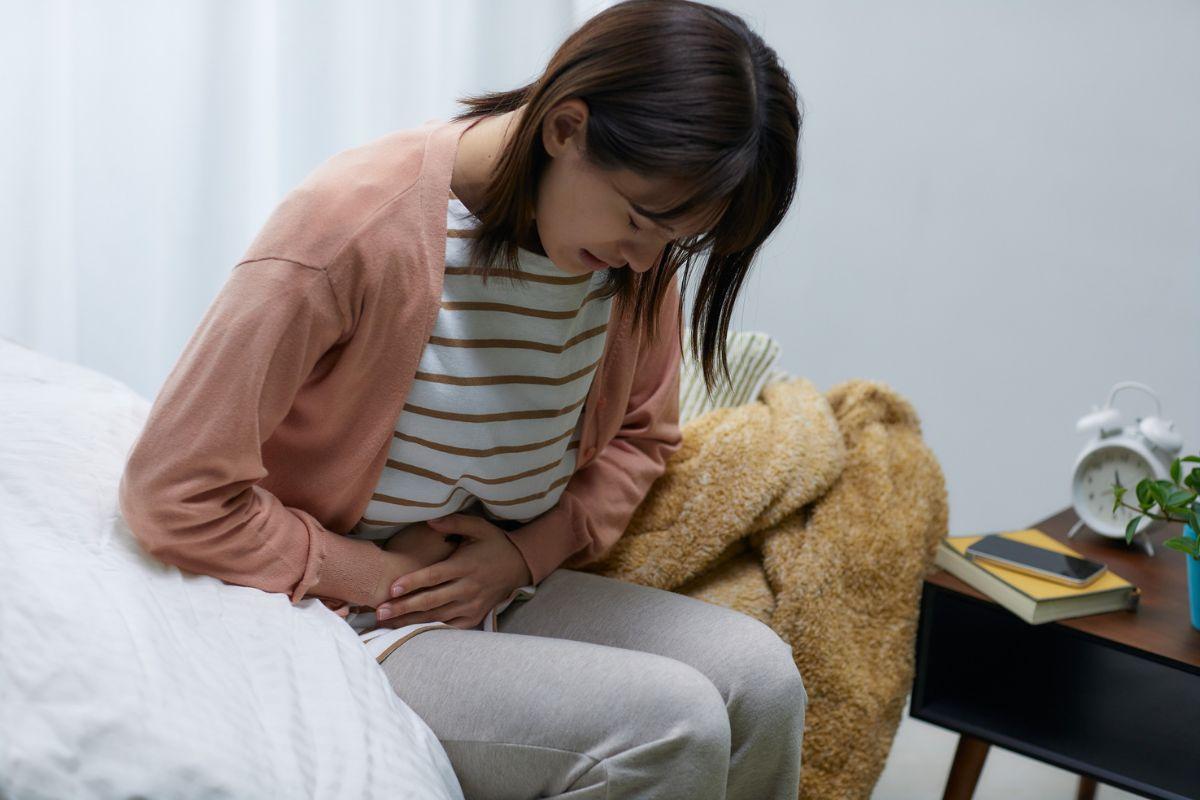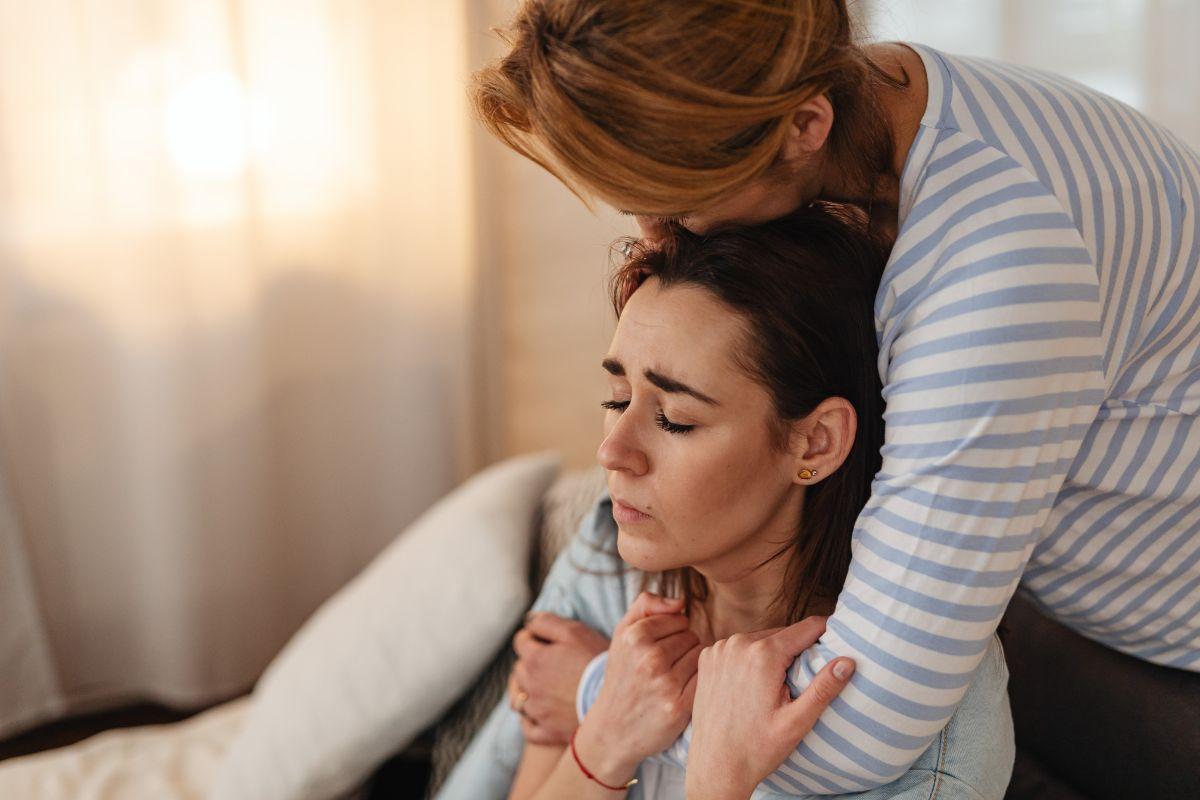
Many people notice that their headaches or migraines seem to follow a pattern around their menstrual cycle. This is not unusual. Around 60% of people who experience migraines report a link with their periods, with attacks often triggered by natural hormonal changes during the cycle.
These headaches are often referred to as menstrual migraines or hormone-related headaches. They can feel more intense, last longer, and be more difficult to treat than headaches at other times of the month.
In this article, I explain how the menstrual cycle can influence headaches, why they often worsen at certain points in the cycle, what menstrual migraines feel like, and what treatment options may help.
How are headaches linked to the menstrual cycle?
Hormone-related headaches are closely linked to changes in oestrogen levels throughout the menstrual cycle. Menstrual migraines most commonly occur within two days before or after the first day of a period.
Just before menstruation, oestrogen levels drop. This fall in oestrogen can trigger migraine pathways in the brain, leading to headaches in the days leading up to a period or at the very start of bleeding.
Headaches can also occur around ovulation, when oestrogen levels change rapidly. In addition, hormones such as prostaglandins, which increase during menstruation, can raise the risk of both period pain and migraines.
Because these patterns tend to repeat, keeping a headache and cycle diary for at least three menstrual cycles can be very helpful in identifying whether headaches are linked to hormonal changes and when they are most likely to occur.
Why are headaches worse just before my period or around ovulation?
The most common time for menstrual migraines is just before a period, when oestrogen levels fall. This hormonal drop is a well-recognised trigger for migraine attacks.
Around ovulation, oestrogen levels rise and fall quickly, which can also trigger headaches in some people.
Hormones are not the only factor. Changes in sleep, hydration, and stress levels around the time of a period can further increase the likelihood of headaches or make them more severe.
Migraine attacks can also worsen as people approach perimenopause and menopause, when hormone levels fluctuate more unpredictably. For some, migraines improve after menopause once periods stop and hormone levels stabilise, although this is not the case for everyone.
What does a menstrual migraine feel like?
Menstrual migraines are often more severe than a typical headache.
Common features include:
- Throbbing or pulsing head pain
- Sensitivity to light or sound
- Nausea
- Fatigue or brain fog
They are usually one-sided, although pain can spread, and they often worsen with movement or strong smells. Menstrual migraines are more likely to occur without aura, although this can vary between individuals.
Symptoms may last for several hours, but for some people they continue for days and can significantly affect daily activities.
How long do menstrual migraines usually last?
Menstrual migraines often last longer than other types of migraine. Attacks can range from 24 hours up to 4–5 days.
They commonly begin 1–2 days before bleeding starts and may continue into the early part of the period.
What can trigger headaches around my period?
Hormonal changes are a major trigger, but menstrual migraines are often influenced by several factors at the same time.
Common triggers include:
- Dehydration
- Disturbed or poor sleep
- Stress
- An erratic daily routine
Because of this, taking extra care with hydration, sleep, and self-care around your period may help reduce the frequency or severity of headaches.
What can help when a menstrual migraine hits?
If menstrual migraines are severe, worsening, or affecting daily life, it is important to seek medical advice — particularly if headaches affect vision or speech, or if pain relief is not effective.
Standard migraine treatments can be used for menstrual migraine, including triptans, painkillers, and in some cases hormonal or non-hormonal treatments, depending on individual circumstances.
Keeping a record over 2–3 months of:
- When headaches occur
- How long they last
- How severe they are
- What treatments you have tried
can help guide the most effective treatment plan.
Do period-related headaches mean something is wrong with my hormones?
Experiencing headaches around your period does not automatically mean something is wrong with your cycle or hormone balance. For many people, these headaches reflect the body’s normal response to natural hormonal changes, particularly fluctuations in oestrogen.
However, if headaches are persistent, changing, or significantly affecting quality of life, assessment can help clarify what is happening and whether treatment may be helpful.
About the author
Miss Shree Datta is a Consultant Obstetrician and Gynaecologist with over 20 years’ experience in women’s health. Alongside her NHS work, she practises privately at The Lister Hospital, The Portland Hospital for Women and Children, and 25 Harley Street.
Her clinical interests include abnormal periods, menstrual health, fibroids, cervical screening, menopause care, ovarian cysts, endometriosis, and pregnancy care, including delivery. She regularly supports women with cycle-related symptoms and is recognised for her personal, approachable style and commitment to patient-centred care.
Find the right specialist for you. Doctify uses verified reviews so you can make the best decision for your healthcare.