It is easy to believe that progress only happens while you are at the gym, on the pitch, or out for a run. Many of us focus entirely on training harder, but we often overlook the most important part of the process, which is recovery.
Recovery is not just a passive break from any activity. Rather, it is an active and essential part of preventing injuries. When we don’t give our bodies enough time to bounce back, fatigue builds up, tissue repair slows down, and the risk of getting hurt increases significantly. Understanding how to recover properly helps athletes and active people alike stay safe and keep doing what they love.
What “recovery” really means
Many people assume that recovery just means taking a rest day. But, it is much more comprehensive than that. It involves a combination of high-quality sleep, staying hydrated, eating well, managing your training, particularly the “load” (which is the total amount of work you do), and even looking after your mental well-being.
True recovery allows your muscles to repair, your tendons to heal, and your nervous system to reset. It’s important to remember that your body doesn’t actually get stronger while you are exercising. Your body adapts and grows stronger during your recovery time.
How the body repairs itself after exercise
When you exercise, you are essentially putting your body under positive stress. To come back stronger, your body goes through several natural processes, including:
- Repairing micro-damage: Physical activity causes tiny tears in your muscles, tendons, and ligaments.
- Managing inflammation: While it sounds scary, temporary inflammation is actually a necessary part of the healing process.
- Rebuilding tissue: Your body uses protein synthesis to rebuild and strengthen these tissues.
- Nervous system and hormones: Rest allows your nervous system to recover and your hormones to regulate, particularly during deep sleep.
Why poor recovery increases injury risk
If you don’t allow these processes to finish, you may start to experience “accumulated fatigue.” This exhaustion can lead to reduced coordination and slower reaction times, making a trip or a fall much more likely.
Over time, poor recovery leads to:
- Poor movement patterns and muscle imbalances as your body tries to compensate for tired muscles
- Overloaded joints and connective tissues that haven’t had time to strengthen
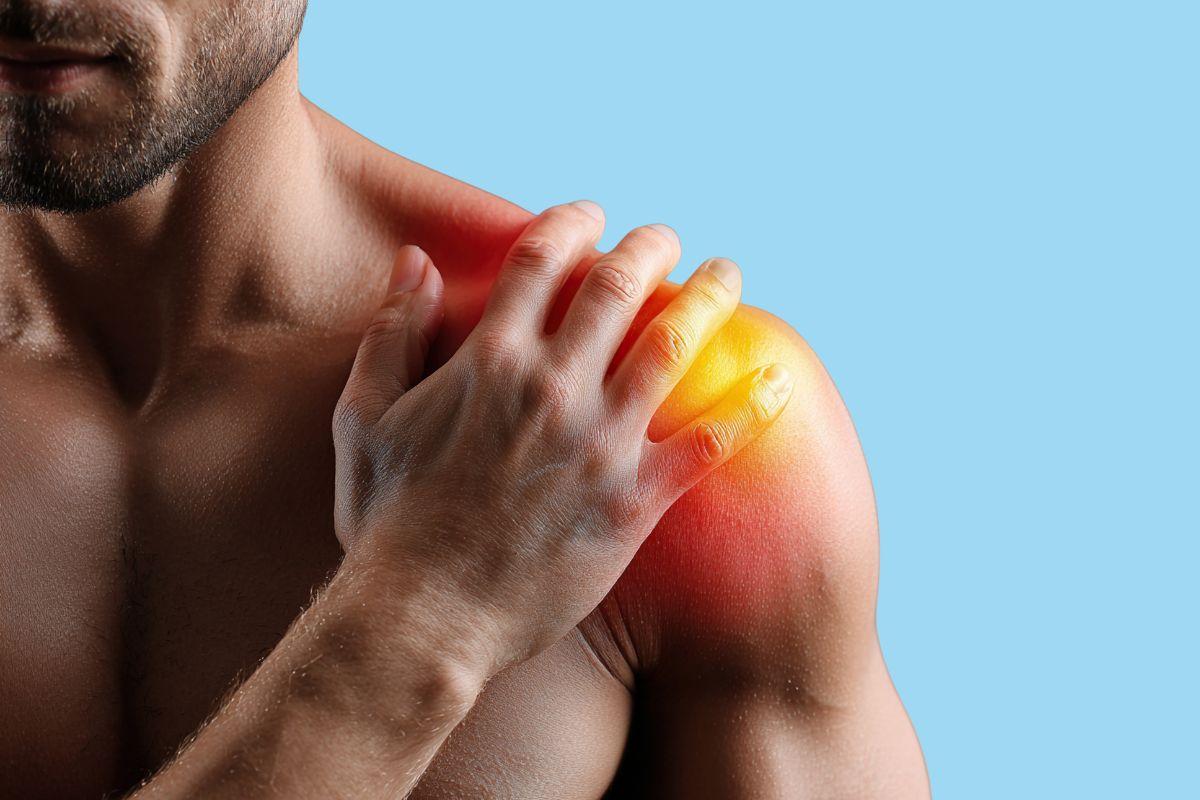
- Increased strain on your tendons (the tissues connecting muscle to bone) and ligaments
The role of sleep in injury prevention
Sleep is the absolute foundation of your recovery. It is during sleep that your body releases growth hormones that are crucial for tissue repair. It also supports your immune system and helps your nervous system recover from the day’s stress.
When you are sleep-deprived, your coordination and reaction times suffer, which is a leading reason why poor sleep is so closely linked to a higher risk of injury.
Hydration and tissue health
Staying hydrated is about more than just quenching your thirst. It is also essential for keeping your tissues healthy. Water helps with:
- Muscle function and joint lubrication, which keeps your movements smooth
- Tendon and fascia health, which ensures the connective tissues remain elastic and resilient
- Proper oxygen delivery, as good circulation helps move nutrients to the muscles that need them
Dehydration leads to premature fatigue and a noticeable decline in performance, which can leave you vulnerable to strains.
Load management and overtraining
“Load management” is simply a way of balancing how much you train against your body’s ability to recover. Problems often arise when there are sudden spikes in how much you are doing or when you skip rest days entirely.
If the stress of training outweighs your recovery for too long, you might develop “overtraining syndrome.” This is a state of chronic exhaustion where the cumulative stress on your body leads to persistent injury patterns.
Signs your recovery is not keeping up with your training
It is important to listen to what your body is telling you. You may want to consider adjusting your routine if you notice:
- Persistent soreness or “heavy” limbs
- A drop in your sleep quality or general performance
- A loss of motivation or sudden changes in your mood
- Frequent “niggles” (minor pains) or injuries that seem slow to heal
Simple recovery checkpoints for injury prevention
You don’t need a complicated plan to improve your recovery. Try focusing on these basics:
- Prioritise sleep: Aim for a consistent sleep schedule
- Stay hydrated: Keep up with your fluid intake throughout the day
- Plan rest days: Include at least one or two weekly rest days and use active recovery days (like light walking)
- Balance intensity: Ensure you aren’t training at maximum effort every single session
- Warm-up and cool-down: Always give your body time to prepare for and wind down from exercise
- Balanced diet and stress management: Focus on foods that promote recovery, such as eggs, yogurt, salmon, etc.
When to seek professional support
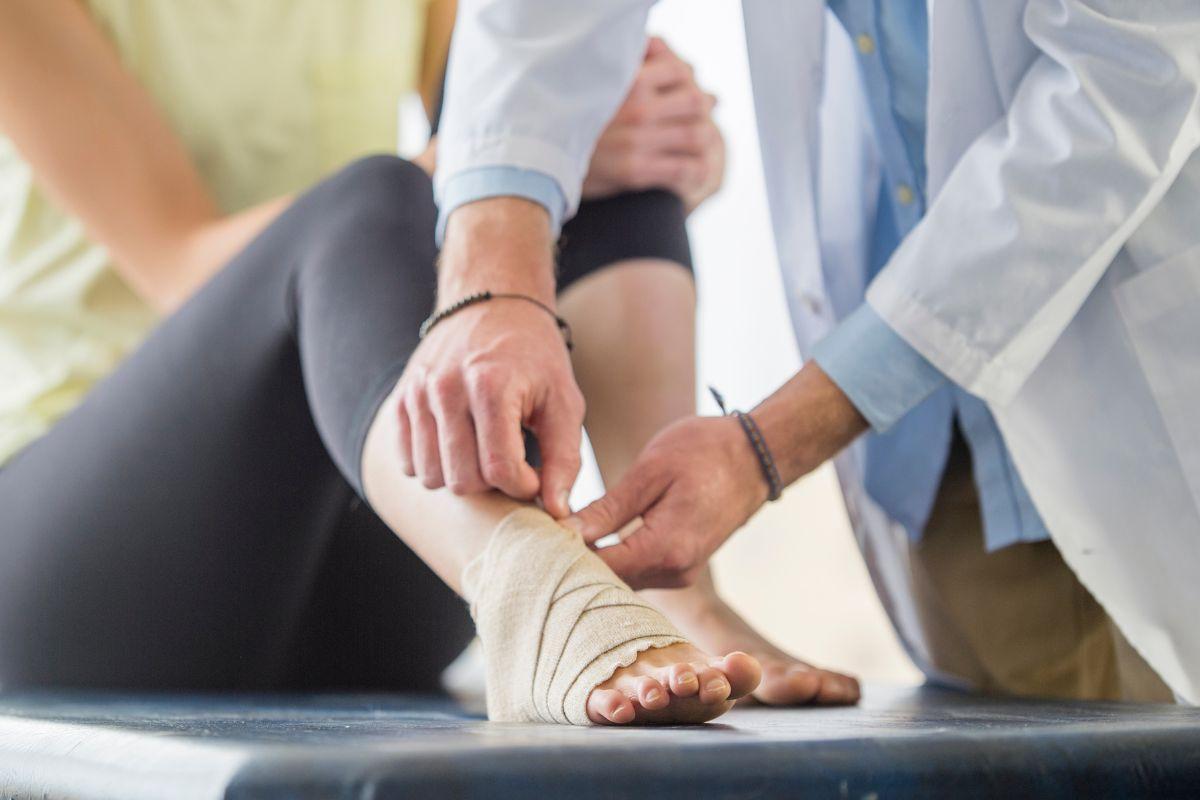
Sometimes, despite our best efforts, we need a bit of extra help. It’s normal to feel uncertain about persistent pain, but speaking to a professional can provide the clarity you need. You may want to consult sports injury specialists if you experience:
- Recurrent injuries or persistent pain that doesn’t go away with rest
- Ongoing fatigue that affects your daily life
- A suspected case of overtraining
A specialist can help with load management planning to get you back on track safely.
Conclusion
Recovery is just as important for your performance and safety as your actual training. In fact, poor recovery can increase your risk of injury just as much as poor technique does. By building small recovery habits into practice, you protect your long-term health and ensure you can stay active for years to come.
Find the right specialist for you. Doctify uses verified reviews so you can make the best decision for your healthcare.

Find and connect with trusted orthopedic surgeons in the United Kingdom, or search for the best specialists locally:
- Orthopedic surgeons in London
- Orthopedic surgeons in Birmingham
- Orthopedic surgeons in Edinburgh
- Orthopedic surgeons in Harley Street
Medically Reviewed
Last reviewed on 02/02/2026