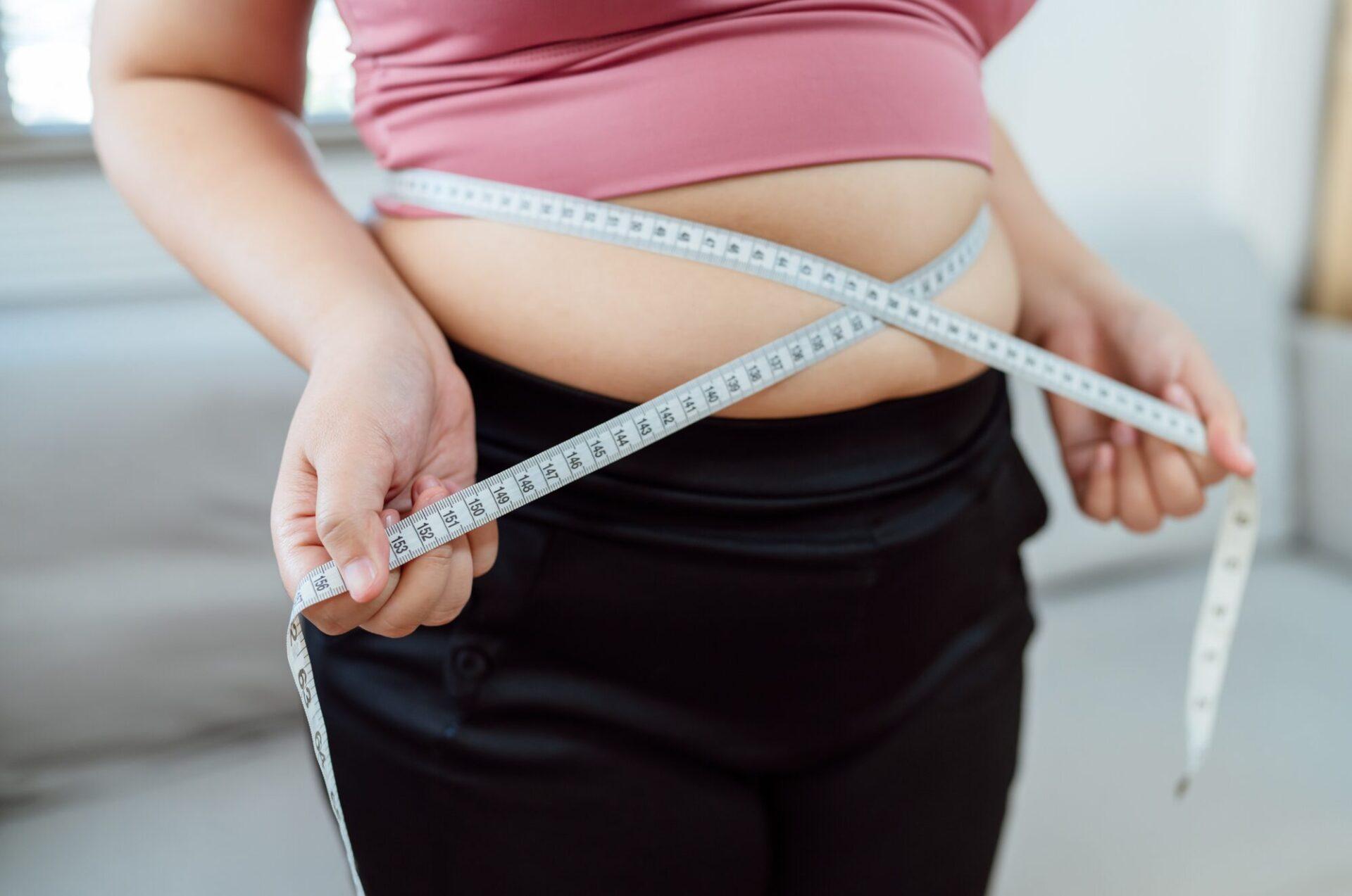
Many women with polycystic ovary syndrome (PCOS) notice that weight gain seems to settle mainly around the middle, even when the rest of their body has not changed significantly. This pattern is often referred to as a “PCOS belly” and can feel particularly stubborn, frustrating, and difficult to shift.
A PCOS belly is not the same as bloating after meals. Instead, it reflects how PCOS affects hormone balance, insulin sensitivity, metabolism, and fat storage, particularly around the abdomen.
In this article, I explain what a PCOS belly is, why it happens, what it looks and feels like, and which treatment options may help.
What is a PCOS belly and what causes it?
A “PCOS belly” refers to central or abdominal fat accumulation, most commonly linked to visceral fat – fat stored deep within the abdomen around the organs.
Several hormonal and metabolic factors associated with PCOS contribute to this pattern, including:
- Insulin resistance, which promotes fat storage rather than fat use
- Raised cortisol (stress hormone) levels, encouraging abdominal fat
- Higher androgen levels, affecting fat distribution
- Chronic low-grade inflammation, disrupting metabolic signalling
Together, these factors push the body to store fat around the waist rather than the hips or thighs, which is why PCOS-related weight gain often looks and feels different from general weight gain.
What does a PCOS belly look and feel like?
Women commonly describe a PCOS belly as:
- Weight gain mainly around the middle
- A firmer or denser feel, due to visceral fat
- Difficulty losing inches from the waist despite diet or exercise
- Feeling “thicker” through the torso rather than lower body
Some women also experience bloating, but it is important to note that bloating and a PCOS belly are not the same. Bloating fluctuates day to day, while PCOS belly fat tends to be persistent and progressive.
Do common PCOS treatments affect abdominal weight?
PCOS treatments can influence weight and fat distribution in different ways, and responses vary between individuals.
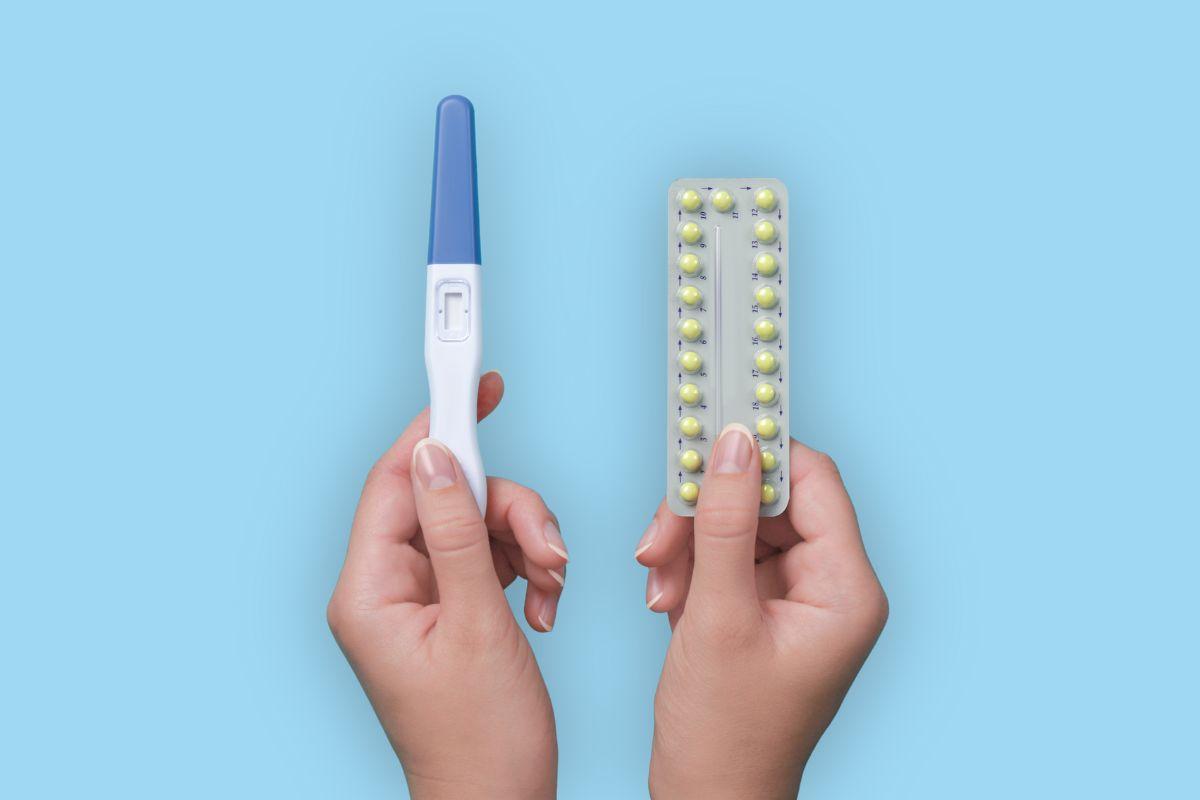
- The combined oral contraceptive pill does not directly cause fat gain, but some women notice fluid retention or appetite changes
- Metformin can support weight regulation by improving insulin sensitivity and reducing cravings
- Inositol (myo- and d-chiro-inositol) may help regulate appetite, improve insulin response, and support ovulation
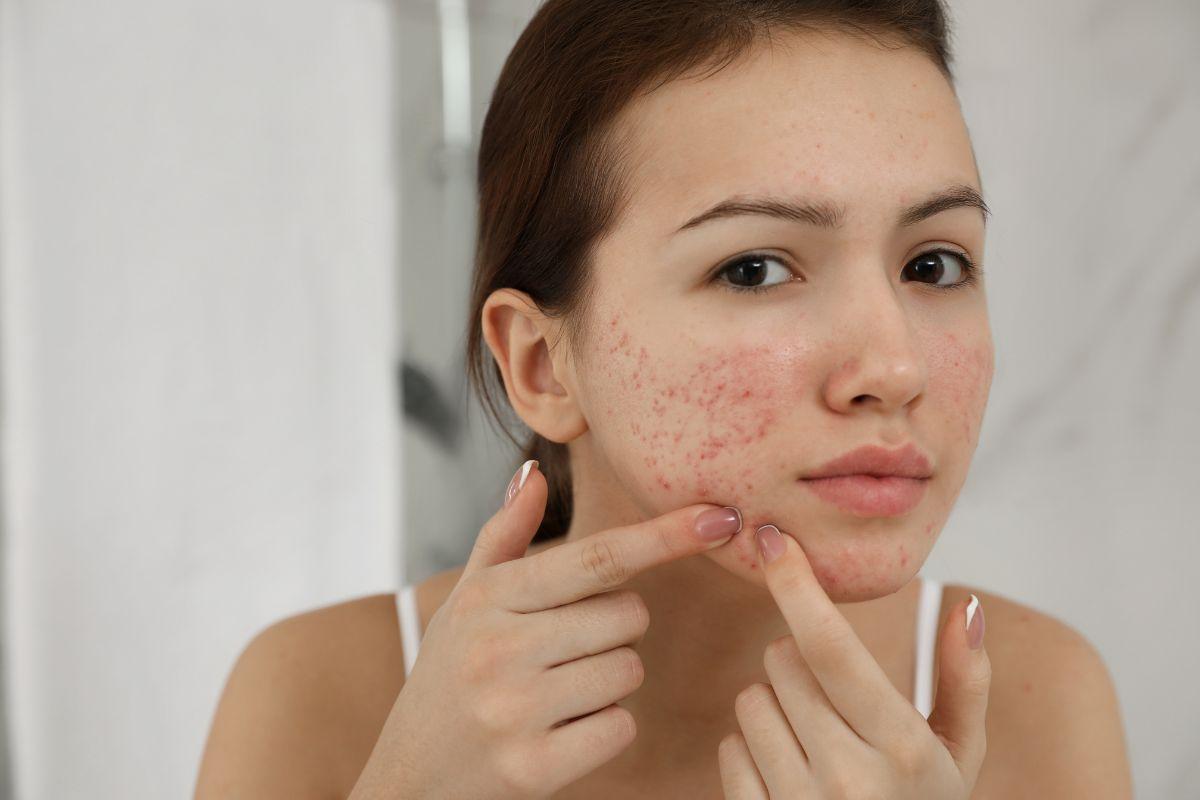
- Spironolactone does not cause weight loss but may improve symptoms such as acne or excess hair growth
Because PCOS affects people differently, treatment needs to be personalised, rather than relying on a one-size-fits-all approach.
Can GLP-1 medications help with PCOS belly?
Yes. GLP-1 medications, such as Wegovy, Ozempic, or Mounjaro, can be helpful for some women with PCOS, particularly where insulin resistance and central weight gain are present.
These medications may:
- Reduce appetite and cravings
- Improve insulin sensitivity
- Support loss of abdominal and visceral fat
- Make weight loss and long-term maintenance more achievable
GLP-1 medications are not a standalone solution. They are most effective when used alongside nutrition support, strength training, and hormonal management. A medical assessment is essential to ensure safety and suitability.
When should you seek help for PCOS belly weight gain?
It is worth seeking specialist support if:
- Your waist circumference is increasing
- Lifestyle changes have had little effect
- You struggle with strong cravings or persistent fatigue
- You feel dismissed or not taken seriously
- You are planning pregnancy or experiencing fertility difficulties
A women’s health specialist can assess hormone levels, insulin resistance, metabolic markers, and nutritional status, and create a personalised management plan. This may include blood tests, medication options, lifestyle strategies, and assessment of GLP-1 suitability where appropriate.
About the author
Dr Nikki Ramskill is a General Practitioner specialising in women’s health, based in Milton Keynes and the founder of The Female Health Doctor Clinic in Bletchley. She supports women with PCOS, subfertility, premature ovarian insufficiency, menopause, period problems (including heavy periods), contraception, and hormone replacement therapy (HRT). She has over a decade of clinical experience providing personalised, comprehensive care for women across all life stages.
Find the right specialist for you. Doctify uses verified reviews so you can make the best decision for your healthcare.