Puberty timing matters for physical and emotional development since it is a time of crucial growth and critical in the establishment of social skills. Early puberty can impact the girls with poor mental, behavioral, and physical health, that’s why the early signs should always be monitored. Monitoring does not always mean treatment. In this article you will learn about growing awareness of earlier puberty in girls. Doctify offers experienced paediatricians that are willing to advise and company in the process.
What is considered early puberty in girls
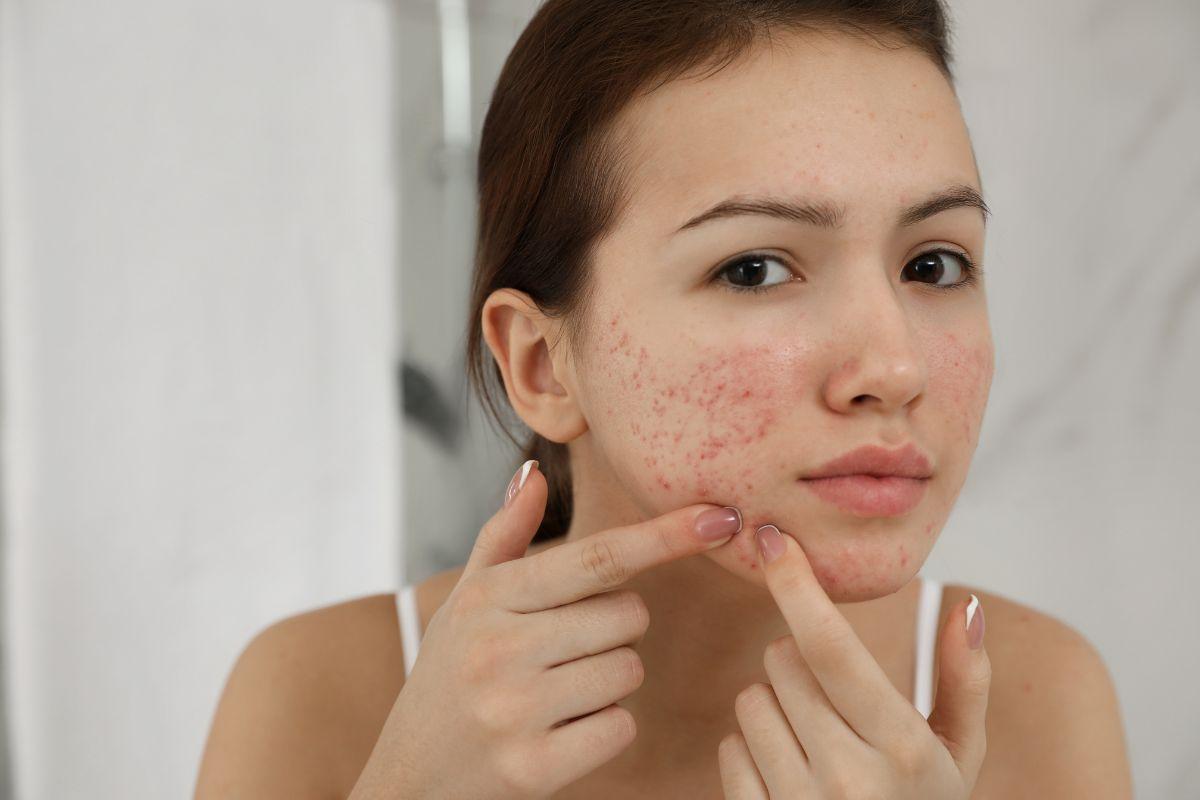
Puberty typically starts between ages 8-13 in females and 9-14 in males with common signs such as: breast development in girls, testicular enlargement in boys, pubic/underarm hair growth, body odor, acne, and, eventually, menstruation in girls. Doctors define “early” or “precocious” puberty when puberty signs start in females before 8 years old and in males before 9 years old, known as early puberty signs.
Common early puberty signs parents may notice
These are some common early signs of puberty that parents should be aware of:
- Breast development in girls before expected age (8 years old).
- Rapid height growth or sudden growth spurts.
- Body odour, acne, or early pubic or underarm hair before age 8 in girls and age 9 in boys.
- Emotional or behavioural changes associated with hormonal shifts.
Why early puberty should be monitored
Early puberty should always be monitored because early puberty can impact the girls with poor mental, behavioral, and physical health. Having an early puberty can have negative effects on final adult height due to early growth plate closure, giving as a result a short height. Also, experiencing puberty before their friends and peers can bring emotional and social challenges at school or home. Early puberty can be linked to health risks later in life.
Possible causes of early puberty
Early puberty may be occasioned by some possible causes such as:
- Normal variation with no underlying condition
- Hormonal activation earlier than expected
- Environmental, genetic, or body weight influences
- Rare medical or neurological causes that need ruling out
When parents should seek paediatric or specialist advice
Parents should seek paediatric or specialist advice if they start to notice that normal puberty signs are appearing much earlier than peers and friends the same age with a very rapid progression of physical changes. As well, parents should be aware if those puberty signs are combined with headaches, vision changes, or neurological symptoms. Additionally, if in the family there is history of precious puberty or any other conditions that raises concern, parents should consult.
What monitoring usually involves
Monitoring is really simple and does not always mean treatment. Initially, the doctor will send a couple of exams such as blood tests and a carpogram. Afterwards, the doctor will be watching the pace of puberty progression and will decide if observation alone is appropriate or a treatment is needed. Many patients tend to have regular growth and development. It is important to have check-ups or monitoring in order to know if findings are within safe limits.
Emotional support for girls experiencing early puberty
The emotional support is as important and necessary as the medical support, since experiencing early puberty can bring emotional and social impact at school or home. First, parents should help children understand body changes in age-appropriate ways. Continued by support of self-esteem and body confidence at home and at school. Last but not least, seek the help of psychologists or professional mental health specialists when emotional or social issues arise.
When to speak to a healthcare professional
If you experience any of the following please consult with paediatric or specialist advice:
- Body odour, acne, or pubic or underarm hair appearing earlier than peers the same age.
- Breast development in girls before 8 years old.
- Rapid height growth, sudden growth spurts, or very rapid progression of physical changes.
- Puberty signs combined with headaches, vision changes, or neurological symptoms.
- Emotional or behavioural changes, such as anxiety or depression, associated with hormonal shifts.
- Family history that raises concern.
Key takeaway
Early puberty signs deserve attention, not panic. Early puberty can impact the girls with poor mental, behavioral, and physical health. Monitoring helps ensure healthy growth and development and does not always mean treatment. Early assessment allows reassurance or timely care when needed. Doctify helps parents find trusted paediatric and women’s health specialists, read verified patient experiences, and make confident decisions about their child’s care.
Find the right specialist for you. Doctify uses verified reviews so you can make the best decision for your healthcare.

Feel free to consult a gynaecologist through Doctify for personalised advice whenever you want, we will be happy to help you! Find the best gynaecologyists in the United Kingdom or search for the best specialists globally:
- Gynaecologists in the United Arab Emirates
- Gynaecologists in Germany
- Gynaecologists in Austria
- Gynaecologists in Ireland
- Gynaecologists in Australia
Medically Reviewed
Last reviewed on 10/02/2026