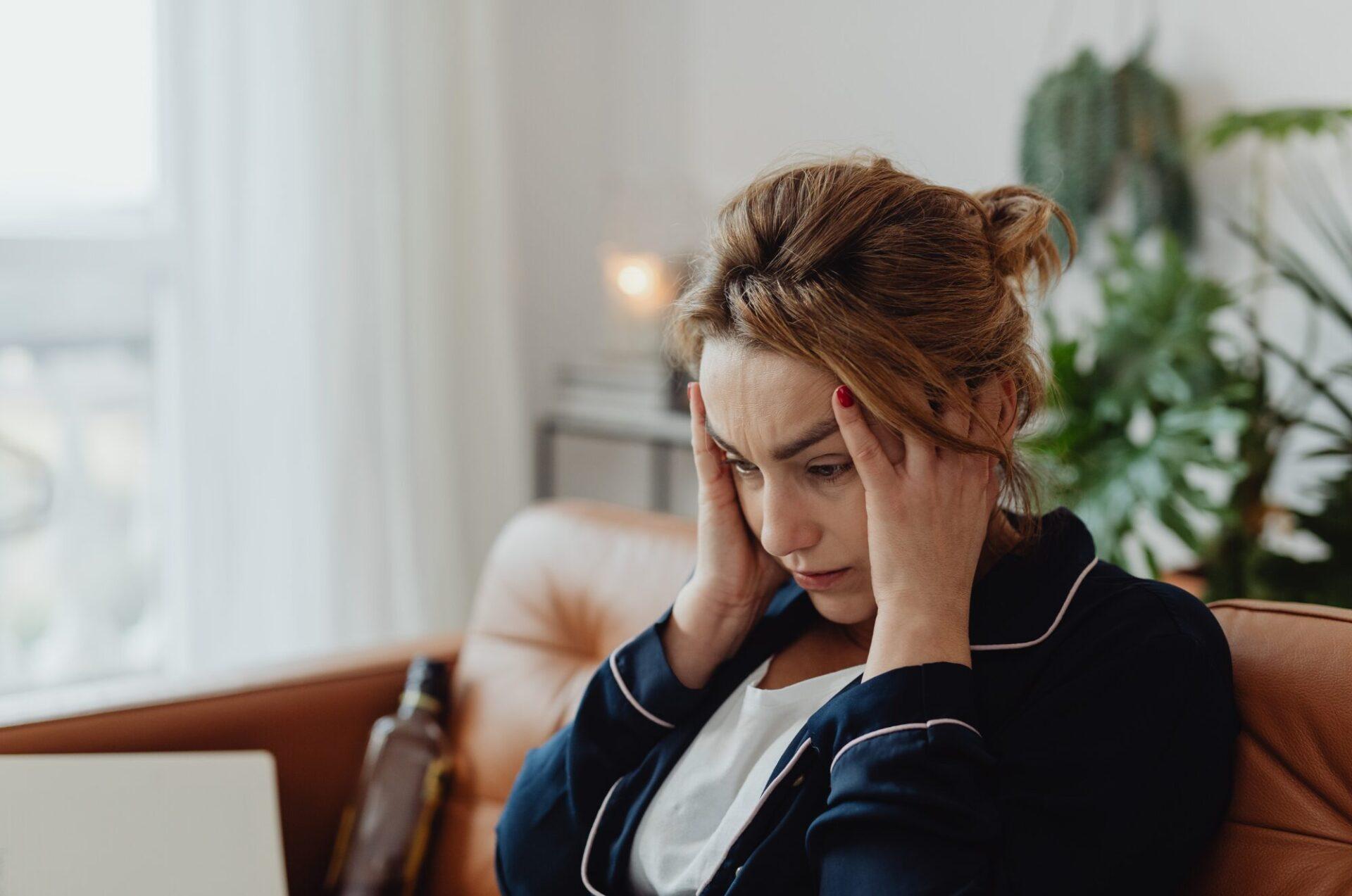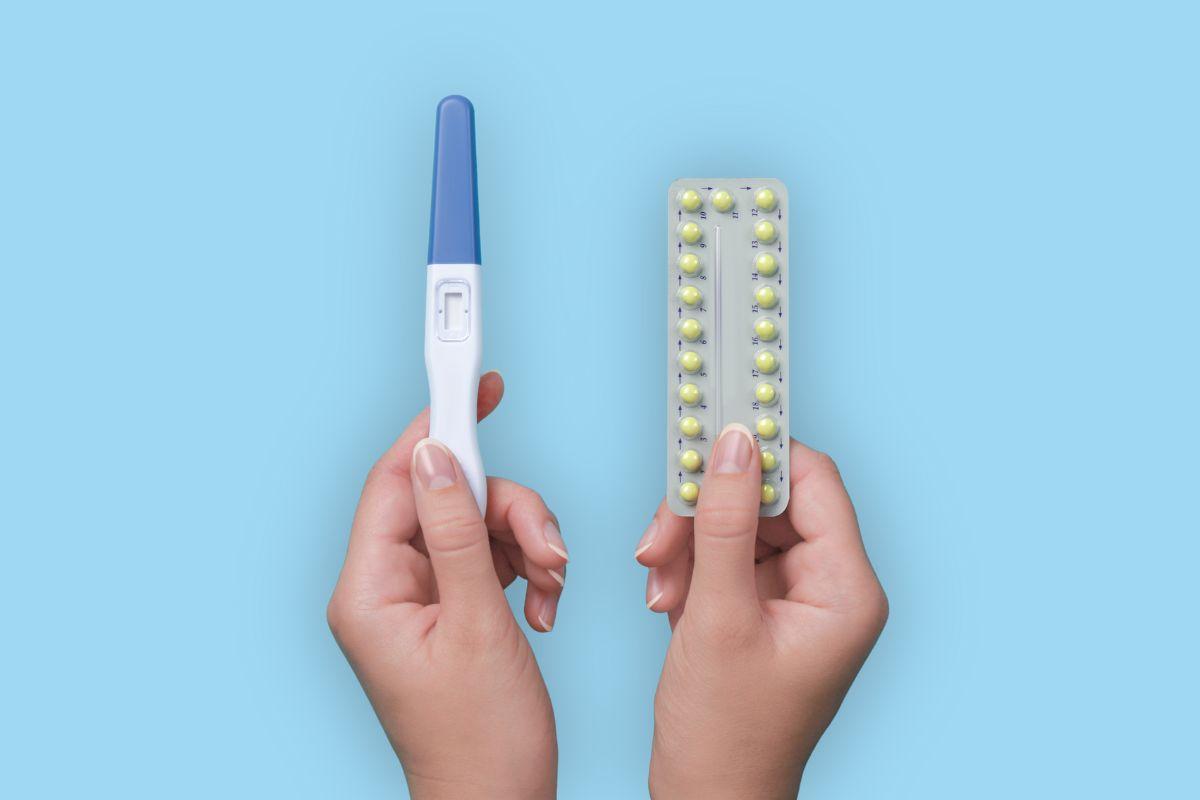
Choosing a contraceptive method is a deeply personal decision. But it is rarely a “set it and maintain” situation. Birth control is designed to support your life and give you autonomy, not to become a source of daily disruption or distress. While the primary goal for many is pregnancy prevention, a method is only truly “working” if it also fits your physical health, emotional well-being, and daily lifestyle.
It is very common for people to stay on a specific pill, implant, or device much longer than they should because they feel they have to “push through” difficult symptoms. If you are feeling uncertain about your current choice, Doctify can help you find trusted women’s health specialists to review your options and make decisions based on real patient experiences.
What “not working for you” really means
When we talk about birth control, we often focus solely on its effectiveness, how well it prevents pregnancy. However, tolerability is just as important. If a method is 99% effective but makes you feel miserable every day, it isn’t a good “fit” for you.
“Not working” can manifest in three main ways:
- Physical fit: The method causes ongoing bodily discomfort.
- Emotional fit: It negatively impacts your mood or mental health.
- Lifestyle fit: It is difficult to manage alongside your daily routine.
Side effects are often framed as a “price to pay.” But they are actually important pieces of information from your body. You do not have to endure months of discomfort just to avoid pregnancy.
Ongoing side effects that do not settle
It is normal to experience an adjustment phase of about 2–3 months when starting a new hormonal method. During this time, your body is getting used to synthetic versions of oestrogen or progesterone. However, if symptoms persist beyond this window, it may be time for a review.
Persistent Physical Discomfort
If you are still dealing with these issues after several months, your body may be sensitive to that specific hormone balance:
- Nausea and headache: Constant stomach upsets or frequent tension headaches can significantly drain your energy.
- Breast tenderness: Some extent of breast tenderness is normal because of hormonal sensitivity. However, it should not be severe enough to affect your comfort or your ability to exercise.
- Breakthrough bleeding: Spotting between periods is common when you’re starting. This is particularly true for progestogen-only methods. However, it should be transient or temporary and should go away on its own as you keep using the pill.
- Fatigue: Feeling chronically tired or having low energy that interferes with your work or social life is a sign that the method is disrupting your natural rhythm.
Mood or mental health changes you did not have before
Because sex hormones interact with brain chemistry, specifically pathways like serotonin and GABA, birth control can have a profound impact on how you feel mentally.
New or Worsening Emotional Struggles
You may notice a shift in your mental health that wasn’t there before you started the method. This can include:
- Increased anxiety or irritability (feeling “on the edge” or easily frustrated without any clear external cause)
- Low mood (e.g., sad, hopeless, or unmotivated)
- Emotional blunting (feeling flat or disconnected from their emotions)
Hormonal sensitivity varies widely between women. This means that even when your friend reacted positively to a certain pill, this does not automatically mean you will react the same. Some women’s brains are wired in such a way that they are more susceptible to hormonal fluctuations, while some aren’t.
Changes in your menstrual cycle that feel wrong
Your period can tell you a lot about how your birth control is interacting with your system. While some of these changes are to be expected (e.g., withdrawal bleed on a combined pill, which is actually not a true period), other changes may be concerning.
Disruptive bleeding patterns
- Heavier or more painful periods
- Loss of periods (even when it is not expected)
- Unpredictability of the patterns (e.g., unexpected bleeding that affects social plans)
Physical symptoms that suggest a mismatch
Sometimes the mismatch shows up in ways that affect your self-confidence or intimate life. It includes the following physical symptoms:
- Skin changes: You may experience new acne flares or changes in skin texture
- Weight and bloating: While hormonal birth control doesn’t always cause direct weight gain, it can cause fluid retention and bloating issues that can make you feel uncomfortable.
- Reduced libido: A common but often ignored side effect is a significant drop in sex drive or physical symptoms like vaginal dryness, which can make intimacy painful or uncomfortable.
Hormones can affect multiple systems, gut, water balance, and even brain chemistry.
Dr Nikki Ramskill, a Doctify-rated General Practitioner
If these changes are affecting your quality of life, they are valid reasons to seek an alternative.
When to seek medical advice urgently
While most side effects are affecting comfort and whether it is right for you or not, some symptoms require immediate medical attention to rule out rare but serious complications like blood clots, signs of stroke, and heart attack.
Seek help right away if you experience:
- Sudden severe abdominal pain
- Chest pain or shortness of breath
- Headaches so severe that are different from your usual migraines
- Eye problems (sudden visual changes, blurring of vision, or loss of vision)
- Swelling, pain, or redness that affect one leg
Most especially, seek medical advice urgently if there are symptoms that feel alarming or are worsening very rapidly.
Key Takeaway
The most important thing to remember is that birth control should feel supportive. It should not come as a constant compromise. You are the expert of your own body. So, if something feels “off,” it probably is. Side effects are not a personal failure or something you just have to be forced to live with. They are signs that there may be a better contraception option for you.
Whether you are considering coming off hormonal contraception entirely or simply want to try a different brand or advice, speaking with a Doctify specialist can provide the clarity you need.
Find the right specialist for you. Doctify uses verified reviews so you can make the best decision for your healthcare.

Find the best and trusted obstetricians and gynaecologists in the United Kingdom or search for the best specialists in your locality:
- Obstetrician & Gynaecologists in London
- Obstetrician & Gynaecologists in Birmingham
- Obstetrician & Gynaecologists in Harley Street
Medically Reviewed
Last reviewed on 10/02/2026