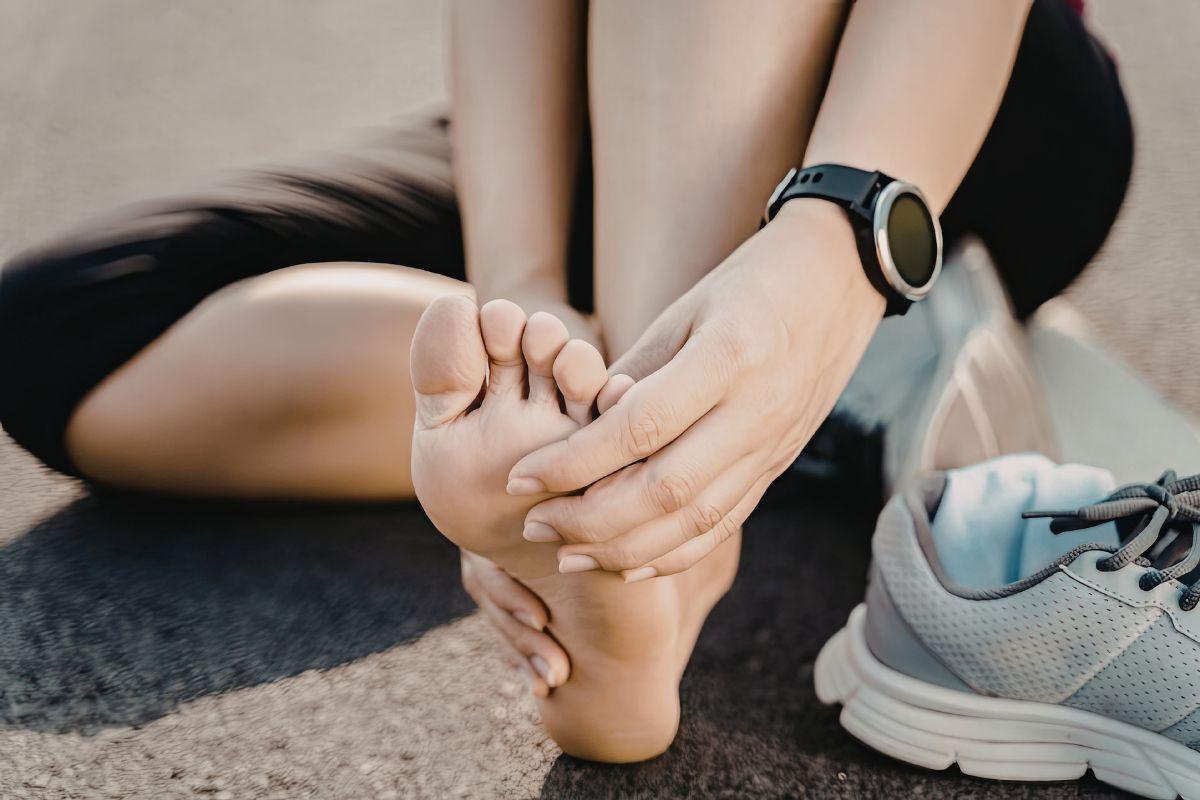
It is incredibly frustrating when you are ready to get back to your normal routine, e.g., training for a marathon or daily walking your dog, only to find out that your body seems to have other ideas of its own. Most minor muscle strains and ligament tears follow a predictable recovery pattern because it is rich in blood supply, which brings the much-needed nutrients. But when your progress stalls, it is natural to feel a sense of uncertainty or even get anxious about what is happening underneath. This does not mean your body has failed repairing but rather it is caused by multiple issues, not just a single one. For example, there may be a mismatch on the stress you place on the injured part than the recovery time you allot to it.
If your recovery feels slower than expected, understanding the potential reasons for these delays early is the best way to prevent further or re-injury and get your rehabilitation back on track. At Doctify, we can help you find trusted sports injury specialists and physiotherapists who can assess these delays, guide your recovery, and help you regain your confidence.
What normal healing timelines usually look like
Understanding what “normal” looks like can help ease the worry that something is deeply wrong with your recovery. Healing is not an overnight process, if stating the obvious can help ease the anxiety. Rather, it is a biological process that the body must complete in specific stages.
Typical recovery for mild, moderate, and more severe strains
The time it takes to heal depends largely on the severity of the initial injury, often categorised into grades:
- Mild (Grade 1): These are small tears in the tissue. You may feel a bit of a twinge or some tightness in the injured area. But often you can expect to feel significantly better within one to three weeks.
- Moderate (Grade 2): This involves a more significant partial tear. You will likely experience more noticeable pain, some swelling, and perhaps a bit of bruising on the injured area (and sometimes radiate to nearby areas). Recovery usually takes about four to eight weeks of dedicated care.
- Severe (Grade 3): This is a complete tear or rupture of the muscle or ligament. These injuries take the longest to heal, often taking about three to six months. And, sometimes a lot longer even with dedicated rehabilitation programs.
The recovery phases aren’t fixed. There are factors that can influence your recovery, such as location of injury, treatment process, and stress.
Why pain reduction does not always equal tissue healing
One of the most common misconceptions in injury recovery is that “no pain” means everything is better. But the reality is that pain is often the first symptom to disappear. So pain control is not a major issue. However, the structural integrity of the tissue (e.g., its strength and ability to handle weight) takes much longer to return. If you jump back right into your routine or high-impact activity just because there is no pain, you may be putting “immature” repair tissue under more stress than it can handle.
How healing progresses in phases
You body heals in stages (often three):
- The inflammatory phase: This happens immediately or after a few minutes after the injury. You may notice that the area may be red, hot, and swollen as your body sends “signals” to clean-up the site (e.g., cells that take up the debris or stop the bleeding if there is).
- The repair phase: This is the phase when the body starts laying down new collagen fibres (scar tissue) in an attempt to bridge the gap in the tear.
- The remodelling phase: Among the phases, this takes much longer. The body tries to “tidy up” the new tissue, making it stronger, and more aligned with the original muscle or ligament.
Signs your injury may not be healing as expected
It can be difficult to tell the difference between “normal” recovery aches and a sign that healing has stalled. Here are some indicators that you may want to seek a professional evaluation:
- Pain that plateaus or keeps returning
- Persistent stiffness, weakness, or instability
- Swelling that does not fully settle
- Loss of confidence using the injured area
Common reasons healing slows down
Often, the reason for slow healing isn’t having a failed recovery. Instead, it can be a mismatch between what you are doing and what your body is actually ready for. Here are some reasons why healing could slow down:
- Returning to activity too soon
- Inconsistent rehabilitation or skipped strengthening
- Repeated overload without enough recovery
- Poor sleep or high stress levels
Load management mistakes that delay recovery
“Load management” is just a professional way of saying “balancing work and rest.” Getting this balance wrong is the most frequent cause of delayed recovery.
In the past, people may have been told to “rest it.” But we now know that complete inactivity can cause the muscle to waste away (medically termed “atrophy”) and this can make the injury even stiffer. Tissues need gentle and small amounts of movement to heal properly. It is the same as with “doing too much, too often, too soon.” You should not overexert yourself, particularly the injured area.
Finally, ignoring a bit of discomfort is often acceptable during rehab. But if you feel sharp, catching, or worsening pain, it’s your body’s way of saying “stop.”
When scar tissue or poor movement patterns develop
When an injury doesn’t heal cleanly, the body finds its own “workarounds.” Your body begins to alter its movement pattern to avoid the pain but it often does not support adequate healing. The injured area gets used to this movement, which the body adapts and gets no signal to strengthen and heal.
Other areas of the body (or the adjacent part) compensate for that part of the body that does not do its job. This means other parts are working twice as hard, which could result in another round of pain in these areas.
A good recovery plan, therefore, shouldn’t be aimed at stopping the pain. Rather, it should restore the way you move. This allows retraining of the brain and muscles so they start working together.
When physiotherapy or sports injury assessment helps
If you are stuck in a cycle of “improve, flare-up, repeat,” a professional evaluation can offer the clarity you might actually need. What do you need to do?
- Identify what is truly limiting your progress
- Adjust the load, exercises, and technique used during rehab
- Address the strength, control, and your confidence altogether, not separately
- Prevent chronic injury patterns (especially when you’re active)
When imaging or further tests may be needed
In some cases, your specialist may suggest a scan, such as an MRI or ultrasound. When are these needed?
- Situations when healing timelines are unclear
- To rule out more significant tears or complications that impede healing
It is important to remember, though, that a scan is just one piece of the puzzle. Many people may have “abnormal” findings on the scan but aren’t actually causing them pain. Therefore, a specialist is needed to correlate the findings with physical evaluation and assessment.
Key Takeaway
Slow healing is a common experience for all. But it is not something that you just have to be forced to live with or ignore. Often, your body just needs a slight nudge in the right direction like better load management, more specific strengthening, or simply a gradual return to activity. Small, smart changes can make a massive difference in your recovery.
Find the right specialist for you. Doctify uses verified reviews so you can make the best decision for your healthcare.

Find the best orthopedic surgeons in the United Kingdom or search for the best specialists in your locality:
- Orthopedic surgeons in London
- Orthopedic surgeons in Manchester
- Orthopedic surgeons in Birmingham
- Orthopedic surgeons in Liverpool
- Orthopedic surgeons in Edinburgh
- Orthopedic surgeons in Harley Street
Medically Reviewed
Last reviewed on 10/02/2026