Many women with polycystic ovary syndrome (PCOS) feel confused and frustrated when they are eating normally, trying to look after their health, and still gaining weight or struggling to lose it. This is an extremely common experience in PCOS, and it is not a personal failure.
PCOS does not only affect reproductive hormones. It also influences how the body stores energy, responds to insulin, regulates appetite, and burns fat. For many women, these hormonal and metabolic changes make weight gain easier and weight loss significantly harder, even without overeating.
In this article, I explain why weight gain happens in PCOS, why losing weight can feel so difficult, the health risks linked to PCOS-related weight gain, and when it may be time to seek specialist support.
Why weight gain can happen with PCOS even when you’re eating normally
One of the main drivers of weight gain in PCOS is insulin resistance, a common metabolic feature of the condition.
When insulin does not work effectively:
- Glucose is more likely to be stored as fat rather than used for energy
- Appetite signals and cravings can increase
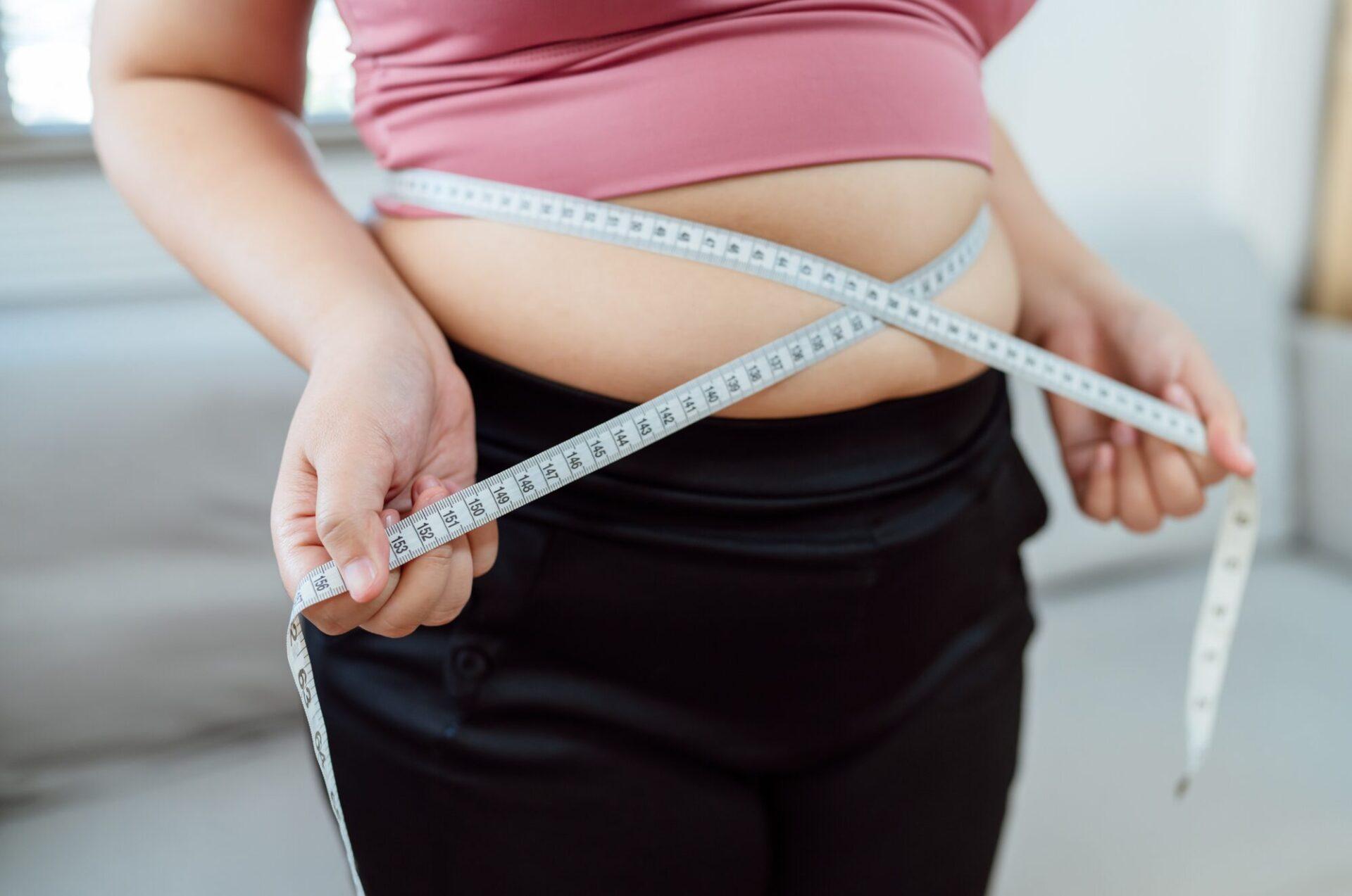
- Fat is preferentially stored around the abdomen (central or “PCOS belly” weight gain)
As a result, many women with PCOS are not overeating at all. Instead, hormonal and metabolic signals are actively encouraging fat storage despite normal eating habits.
Other factors can worsen this pattern, including chronic low-grade inflammation, raised stress hormones such as cortisol, and poor or disrupted sleep. Together, these make weight gain more likely and weight loss harder.
Why losing weight is often harder with PCOS
PCOS affects multiple systems at the same time, which is why traditional weight-loss advice often feels ineffective.
Common contributing factors include:
- Insulin resistance, making it harder to access stored fat
- Raised androgen levels, influencing fat distribution and muscle metabolism
- A slower metabolic rate, meaning fewer calories are burned at rest
- Stronger hunger signals and cravings
- Fatigue, which can make consistent physical activity difficult
This combination explains why many women feel they are “doing everything right” yet seeing little or no progress. This is not a lack of motivation or discipline – it reflects the underlying physiology of PCOS.
What health risks are linked to PCOS-related weight gain?
Weight gain with PCOS, particularly weight carried around the middle (visceral fat), is linked to increased metabolic risk. This can increase the likelihood of:
- Type 2 diabetes or pre-diabetes
- High cholesterol and high blood pressure
- Heart disease
- Non-alcoholic fatty liver disease (NAFLD)
- Sleep apnoea
- Infertility or irregular ovulation
Not every woman with PCOS develops these complications, but working on metabolic health early can significantly reduce long-term risk.
When should I see a doctor for PCOS weight gain?
It is worth seeking specialist support if you:
- Are gaining weight without a clear cause
- Struggle to lose weight despite lifestyle changes
- Experience strong cravings, fatigue, or mood changes
- Have irregular or absent periods
- Are planning pregnancy or experiencing fertility difficulties
A women’s health specialist can assess hormone levels, insulin resistance, metabolic markers, and nutritional status, and help develop a personalised, realistic management plan tailored to PCOS.
About the author
Dr Nikki Ramskill is a General Practitioner specialising in women’s health, based in Milton Keynes and the founder of The Female Health Doctor Clinic in Bletchley. She supports women with PCOS, subfertility, premature ovarian insufficiency, menopause, period problems (including heavy periods), contraception, and hormone replacement therapy (HRT). She has over a decade of clinical experience providing personalised, comprehensive care for women across all life stages.
Find the right specialist for you. Doctify uses verified reviews so you can make the best decision for your healthcare.