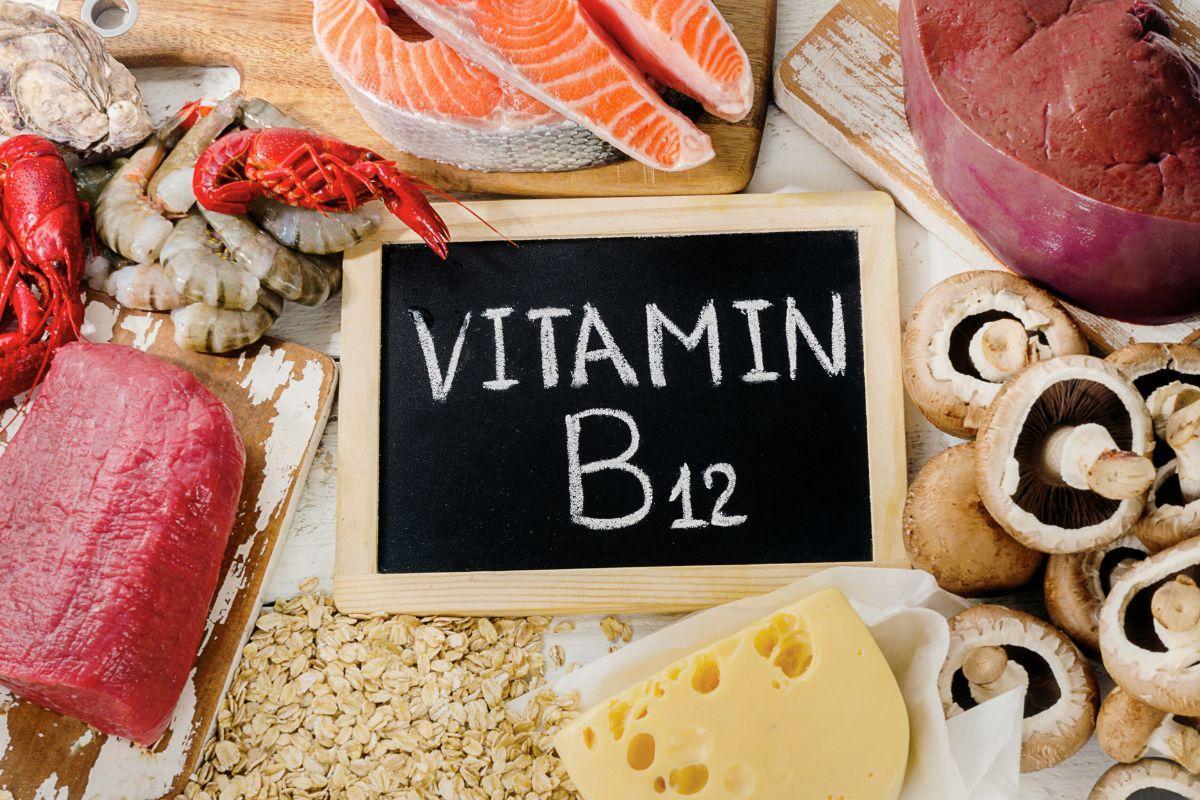
Vitamin B12, also known as cobalamine, plays fundamental functions in the body, such as: nerve function, red blood cell production, and providing energy. Vitamin B12 is found almost exclusively in animal-based foods. Most people can meet their needs through food. Nevertheless, those following a plant-based diet may need to pay extra attention to intake. Doctify connects you with trusted GPs in case you need extra help.
What does vitamin B12 do in the body?
The vitamin B12 has multiple roles in the body. Starting with the development, myelination, and functioning of the nervous system. Also, B12 plays an important role in the healthy red blood cell production, helping the body convert the food into energy, and preventing fatigue and weakness. Usually, low B12 levels develop slowly and can be missed since the body stores years worth of B12 and the deficiency will appear as the storage depletes.
Animal-based foods richest in vitamin B12
Below is a list of the richest in vitamin B12 animal-based foods:
- Meat: beef, lamb, liver.
- Fish and seafood: salmon, trout, tuna, sardines, shellfish.
- Dairy products: milk, yoghurt, cheese.
- Eggs: with a high concentration in the yolk.
Having a rich vitamin B12 diet is simple, these foods are easy to include in regular meals.
Fortified foods for those who eat little or no animal products
For those following a plant-based diet or eating little animal products, fortified foods are recommended, as plant foods do not naturally contain B12. Fortified foods are products with added vitamins, minerals, and other nutrients in order to help supply the deficiency. Some fortified foods are nutritional yeast, non-dairy milks, plant milks, and breakfast cereals.
Here are some tips on reading labels to ensure the product contains B12. First, check the “Nutritional Facts” panel (usually found on the back) and look for “vitamin B12”. The vitamin B12 should appear in micrograms (mcg) and % Daily Value (%DV). Aim for 20%DV (1.2 mcg) or higher per serving to have a significant intake.
Who needs to pay closer attention to B12 intake?
These people should pay a closer attention to the vitamin B12 intake:
- People following vegetarian or vegan diets.
- Adults over 50 (reduced stomach acid makes absorption harder).
- Patients with gut conditions such as coeliac disease or Crohn’s.
- Patients on long-term medications that reduce stomach acid.
In these cases, routine blood tests may be recommended, in order to have a routinary follow-up of the levels of B12.
Signs of low B12 to look out for
Listed are some important signs to be aware of, that can indicate low levels of B12:
- Fatigue and weakness.
- Tingling or “pins and needles.”
- Memory or concentration changes.
- Pale skin or mouth ulcers.
Nonetheless, these symptoms can be caused by many things, not only low levels of B12, so a GP can help clarify.
Practical tips to boost B12 through your diet
Here are some tips and recommendations that can help boost B12 in your everyday diet:
- For breakfast, add some eggs with nutritional yeast.
- For an ideal B12-rich lunch and dinner, a spinach salad with salmon, or beef with mushrooms.
- For snacking, it is possible to add a portion of yoghurt with chia seeds.
- For plant-based diets, incorporate every day non-dairy milks, plant milks, or breakfast cereals with B12.
Incorporating more B12 is quite simple with a few everyday choices. Eggs at breakfast, oily fish in sandwiches or salads, and red meat in meals once or twice a week can significantly increase intake. Dairy products like yoghurt or hard cheeses also contribute. For vegans and vegetarians, it is important to regularly consume fortified foods, as natural sources of B12 are limited to animal products.
Sandra Cohen, Doctify-rated Nutritional Therapist
When to see your GP
Please contact your GP if you experience any of the following:
- Experiencing symptoms of deficiency.
- Following a plant-based diet and haven’t had levels checked recently.
- Pregnant or planning pregnancy.
Nevertheless, having simple blood tests can give clear answers.
Final takeaway
Most people can meet their B12 needs with a balanced diet by incorporating meat, fish and seafood, dairy products, eggs, and for the plant-based diets including fortified foods. Paying attention to intake supports long-term energy and nerve health. If you feel or experience any of the symptoms mentioned above, Doctify can help readers find a GP for personalised nutrition and health advice.
Find the right specialist for you. Doctify uses verified reviews so you can make the best decision for your healthcare.

Feel free to consult a GP through Doctify for personalised advice whenever you want, we will be happy to help you! Find the best GPs in the United Kingdom or search for the best specialists globally:
Medically Reviewed
Last reviewed on 16/12/2025