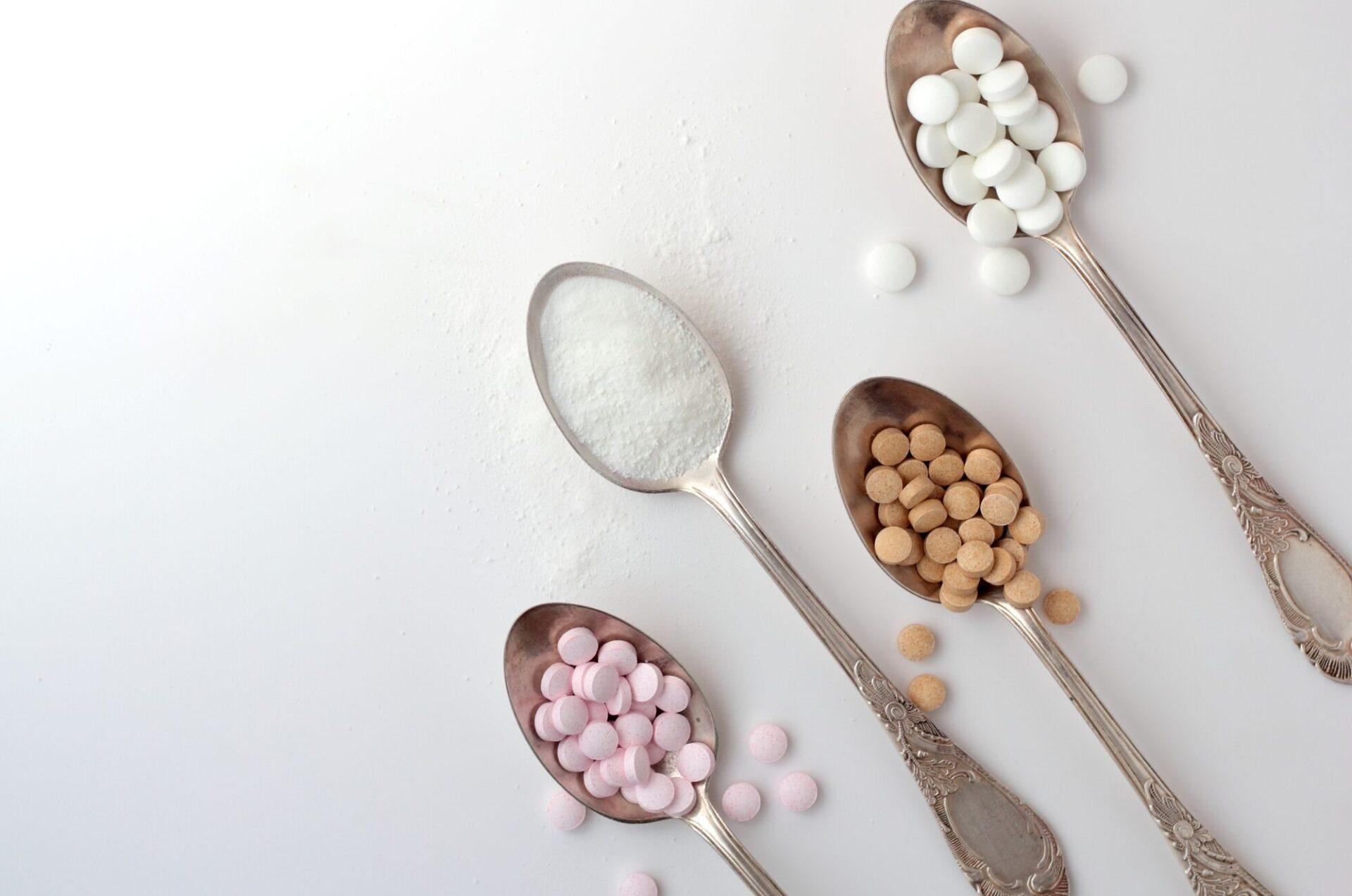
Many people with polycystic ovary syndrome (PCOS) look to supplements in the hope of improving symptoms such as weight gain, insulin resistance, irregular menstrual cycles, fatigue, or cravings. While some supplements may be helpful for certain individuals, it is important to be clear that the evidence is limited and benefits are usually modest rather than dramatic.
Supplements are not a substitute for balanced nutrition, regular movement, good sleep, and stress management. Where they help, they tend to work best alongside these foundations, not instead of them.
In this article, I explain what we currently know about commonly discussed PCOS supplements – including inositol, chromium, and magnesium – and what it is realistic to expect from them.
Does inositol help with PCOS?
Inositol is one of the most frequently discussed supplements in PCOS, largely because it is thought to support insulin sensitivity and metabolic function.
Some studies have shown improvements in:
- Insulin levels
- Androgen levels, such as testosterone
- Menstrual cycle regularity
These effects have been observed with myo-inositol alone or in combination with d-chiro-inositol, compared with placebo. In some studies, outcomes appear similar to metformin, a medication commonly used in PCOS, but with fewer side effects.
However, larger and more recent guideline-level reviews highlight that the overall quality of evidence is limited and inconsistent. Some trials show benefits in certain metabolic or hormonal markers, while others show little or no meaningful effect.
In practice, inositol may help some people with PCOS, but it does not work for everyone, and the evidence is not strong enough to make firm clinical recommendations. If someone chooses to try inositol, it should ideally be discussed with a healthcare professional, particularly if other medications are being used.
Can chromium improve insulin resistance in PCOS?
Chromium has mainly been studied for its potential effects on insulin metabolism.
Some small studies suggest chromium supplementation may:
- Improve fasting insulin levels
- Improve measures of insulin resistance
- Be associated with modest improvements in certain cholesterol markers
That said, the evidence is not strong or consistent enough to conclude that chromium will make a meaningful difference for everyone with PCOS. Any benefits appear variable and generally modest.
Does magnesium help with PCOS symptoms?
Magnesium plays a role in hundreds of biochemical reactions in the body, including those involved in glucose metabolism, muscle function, and nervous system regulation.
Some people with PCOS report improvements in:
- Sleep quality
- Muscle cramps
- General wellbeing
There are also theoretical reasons magnesium may support blood sugar regulation and stress responses. However, high-quality research directly linking magnesium supplementation to improvements in PCOS symptoms is limited.
Where benefits do occur, they are usually mild rather than significant.
Are supplements necessary for managing PCOS?
There are several important points to consider before starting supplements for PCOS:
- The word “may” is key – none of these supplements are guaranteed to work
- Many studies are small, short-term, or use different formulations
- Supplements can interact with medications or cause side effects
- They may be unnecessary if nutritional needs are already met through diet
Always speak with a healthcare professional before starting supplements, especially if you are pregnant, trying to conceive, or taking medication.
The bottom line: do supplements really help PCOS?
Some supplements may help support specific aspects of PCOS, such as insulin sensitivity, hormonal markers, or metabolic measures, in certain individuals. However, the evidence remains limited, and benefits are usually modest.
Supplements work best when added to – not instead of – balanced nutrition, consistent movement, good sleep, and other foundational lifestyle approaches.
About the author
Ms Rania Salman is a London-based registered dietitian and nutritionist with specialist expertise in weight management, PCOS, fertility, and sustainable healthy living. With a background in Biomedical Sciences and postgraduate training in Nutrition and Dietetics, she has worked across both the NHS and private practice, supporting a wide range of clients.
Find the right specialist for you. Doctify uses verified reviews so you can make the best decision for your healthcare.