It is very common to notice changes in your breasts throughout your lifetime, particularly among women. Most of the time, these changes are just a natural part of how your body responds to hormones, ageing, and other relevant lifestyle factors. However, when you notice something new, it is normal to feel worried or anxious, and the cause of concern is valid because this “physical change” is new and uncertain.
Understanding what is typical for your body can help you feel more confident and reduce the anxiety that you feel. This guide will help you understand why these changes happen, what is generally considered normal, and which signs mean it is time to seek professional reassurance.
Why breasts change over time
Your breasts are dynamic, not a static or fixed bodily system. So, it responds to the various stages of your life as it adapts. Hormonal fluctuations are the most frequent cause of change, particularly during your menstrual cycle. You may also notice significant shifts during:
- Puberty and development as the body grows and matures
- Pregnancy and breastfeeding when the tissue prepares for and supports a growing baby
- Menopause and perimenopause as hormone levels begin to fluctuate or shift (e.g., increase or decrease)
- Weight and lifestyle, where changes in body weight or even your diet and exercise habits can alter breast size and texture
- Ageing, when natural tissue changes occur as we get older, often leading to a change in firmness
Which breast changes are considered normal?
Many changes are simply a reflection of your body’s health processes. It is helpful to know what to expect so you don’t feel alarmed by routine or ordinary variations.
Size and fullness
It is very common for breasts to feel swollen or heavy just before your period starts. You will also likely see or observe an increase in fullness during pregnancy, while breastfeeding, or if you gain weight.
Shape and texture
Hardly anyone has perfectly symmetrical breasts. Natural asymmetry is to be expected in women and is considered very normal. You might notice your breasts feel softer or firmer depending on where you are in your cycle. Some “lumpiness” can also be normal, which is often related to glandular tissue or naturally dense breast tissue.
Sensation changes
Many people experience mild pain and tenderness around the nipples periodically. These sensations are usually, more often than not, temporary. You may also notice an increase in sensitivity around the nipple area, which could cause some discomfort.
Which skin and nipple changes are usually harmless?
The skin may show other signs of change, such as stretch marks, darkening of the areola during pregnancy, or slight dryness. There can also be significant, but temporary, sensitivity of the nipples and you may notice slight changes in their size and shape. All of these changes are typically no cause for grave concern.
Which breast changes should be taken seriously?
While many changes or shifts are considered normal, some specific signs may require a closer attention. You may want to consider consulting with a professional if you notice the following:
- A new lump that feels different from the surrounding tissue
- A lump that feels fixed and does not move
- Skin dimpling or puckering, otherwise known as “peau d’orange or orange peel” texture with thickened skin
- Persistent breast pain in one area
- Unexplained breast swelling
- Redness or warmth that is not linked to infection or injury
- Nipple discharge that is bloody or clear
- A new onset nipple inversion
What warning signs need prompt medical review?
It’s normal to feel nervous about symptoms that are unusual to you, but getting them checked and evaluated early supports better health outcomes. See a doctor promptly if you experience:
- Changes in breast size or shape that happens fast (e.g., few days to weeks)
- Changes in the appearance like skin colour or texture
- Persistent pain not linked to your menstrual cycle
- New nipple changes
- Lumps that do not go away
- Unusual discharge, especially when you’re not breastfeeding
- Changes that occur in one breast only
What is breast self-awareness and why does it matter?
The best way to protect your health is to become an expert of your own body. Breast self-awareness means knowing what is “normal” for you personally.
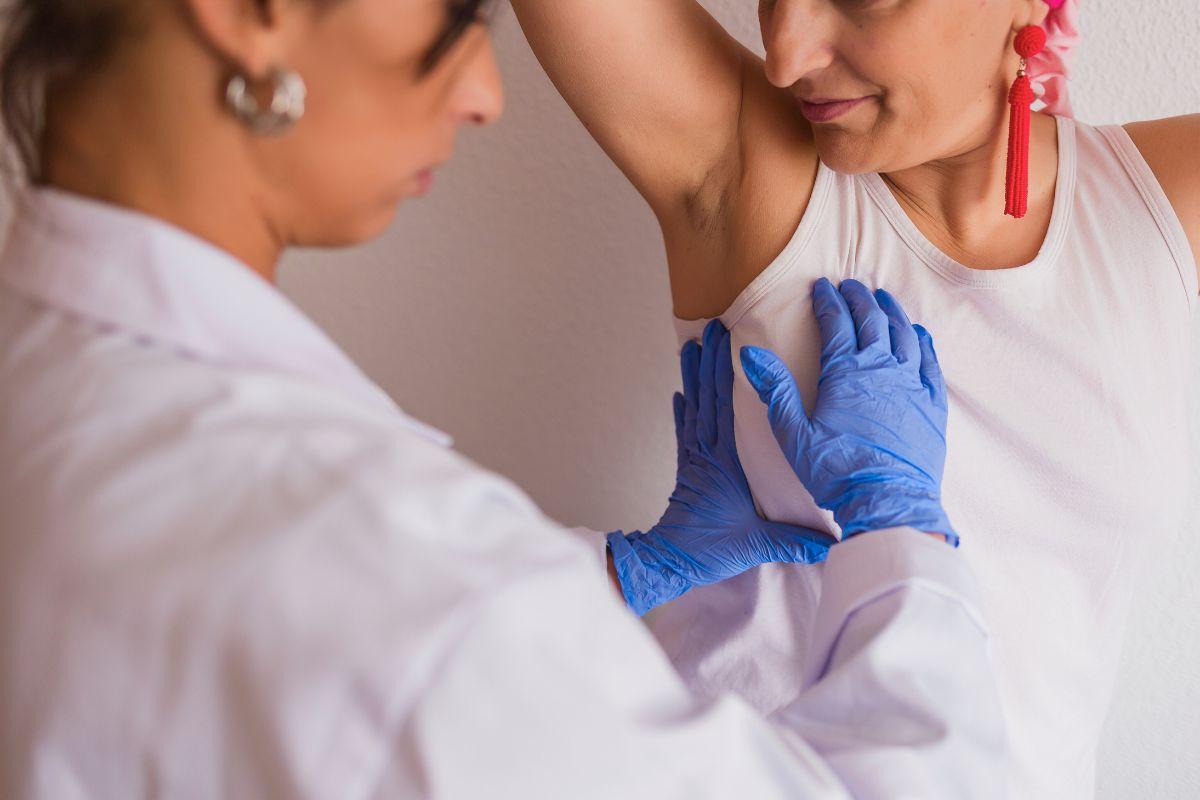
Try to check your breasts regularly, perhaps once a month after your period ends when they are least likely to be swollen or tender. Notice how they look and feel in different positions. This isn’t about looking for issues or problems that are not there to cause anxiety, but about understanding any natural changes you feel during your cycle so you can spot a genuine change quickly (e.g., new changes that you don’t usually feel or observe).
Additionally, because your breasts are so sensitive to hormones, your menstrual cycle can also impact other parts of the body in ways that you might not expect. For instance, the same hormones that cause breast tenderness can also affect your digestion.
Prostaglandins, which are compounds released to help the uterus contract, can also cause your intestines to contract, leading to “period poops” or diarrhoea. Similarly, an increase in oestrogen can cause water retention, which leads to that familiar feeling of bloating.
A low-salt diet, reduction of gas-producing foods, such as cabbage, beans, and carbonated drinks, and hydrating well are great tips to reduce the bloating. There is also evidence that you can benefit from probiotics to maintain gut balance.
Dr. Neelima Dixit, Obstetrician and Gynecologist
While Dr. Dixit’s advice focuses on physical conditioning, staying active with gentle exercise can actually help improve circulation and ease the discomfort of hormonal bloating and breast tenderness during your cycle.
When to get checked by a doctor
You should seek a professional medical opinion for any new or unusual change, symptoms that get worse over time, or changes that persist for more than one full menstrual cycle. If you have a family history of breast conditions, it is even more important to stay cautious and vigilant, and attend regular screenings.
Find the right specialist for you. Doctify uses verified reviews so you can make the best decision for your healthcare.

Find the best and trusted obstetricians and gynaecologists in the United Kingdom or search for the best specialists in your locality:
- Obstetrician & Gynaecologists in London
- Obstetrician & Gynaecologists in Birmingham
- Obstetrician & Gynaecologists in Harley Street
Medically Reviewed
Last reviewed on 27/01/2026