For some people, enjoying a glass of wine, some aged cheeses, or a piece of chocolate can be followed by troubling symptoms such as flushing, headaches, itchy skin or indigestion. These experiences can feel confusing, especially when these foods are not even eaten in excess.
The underlying issue for many people who deal with these issues is histamine sensitivity. This is far more common than what most expect, and once the right guidance is followed, it is very manageable. Understanding why certain foods trigger these reactions is the first step to feeling more in control.
Doctify helps you find certified Dermatologists that can determine whether or not any skin issues you may be having are related to histamine and give you the most appropriate guidance.
What is histamine and why does it matter?
Histamine is a natural chemical produced by the body. It plays important roles in immune responses and in digestion through the regulation of stomach acid. Normally, it causes no issues; however, when the levels become higher than what the body can easily break down, problems begin to arise.
Sandra Cohen, Doctify-rated Nutritional Therapist, explains with her analogy: “Think of your body as having a bucket that fills throughout the day with histamine — from food, environmental exposures, stress, gut imbalances, or internal production.” She goes on to say that if the bucket fills faster than it can drain, it eventually overflows, and symptoms appear.
Normally, enzymes like DAO (in the gut) and HNMT (in the liver) help “drain” this bucket by breaking down histamine. But if the bucket fills faster than it can drain, it eventually overflows and that’s when symptoms like hives, headaches, palpitations, and digestive distress appear.
Sandra Cohen, Doctify-rated Registered Nutritional Therapist
This overproduction is often referred to as histamine intolerance, meaning the body struggles to deal with histamine efficiently. This is separate and apart from having an allergy to a type of food or drink.
Why wine, cheese and chocolate are high-histamine foods
Wine, cheese, and chocolate are well known for triggering histamine-related symptoms, mostly due to how they are produced and stored.
Wine (particularly red wine) contains high levels of histamine due to the process of fermentation. On top of that, alcohol blocks the enzyme responsible for breaking histamine down, making reactions more likely.
Aged cheeses tend to accumulate as they mature. The longer the ageing process, the higher the likelihood of having more histamine in it.
Chocolate does not just contain histamine, but also acts as a histamine liberator. This means that it has an added effect of encouraging the body to release its own histamine.
Processed, fermented, and aged foods have higher levels of histamine and often trigger symptoms more easily than other sources.
How these foods trigger symptoms in sensitive people
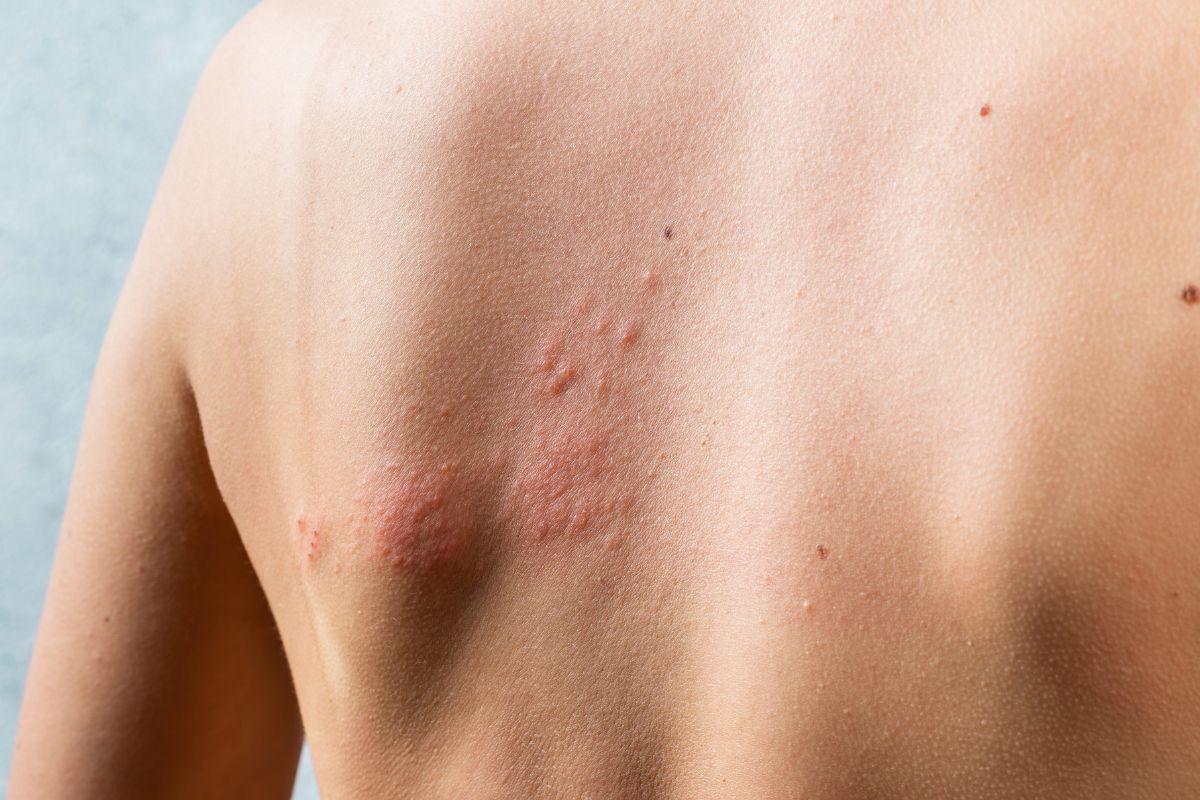
When someone consumes meals high in histamine or high in histamine-releasing foods in great amounts, the load can overwhelm the body’s ability to break it down. This can lead to flushing, itching hives, stomach cramps or headaches, though symptoms may vary.
Some people experience mild warmth or redness, while others develop migraines, skin flares or heart palpitations. Factors such as sleep quality, stress, hormonal changes and gut health all influence how strong a person’s reaction may be.
Factors that increase histamine reactivity
Several underlying factors can make histamine reactions more likely. Lower levels or reduced activity of the DAO enzyme, which helps break down histamine in the gut, is a common culprit. Certain medications can also slow the clearance of histamine from your body.
High stress and poor sleep increase the release of histamine, while alcohol increases its absorption from the gut. Changes in your hormone levels can play a role, too. Sandra notes that oestrogen stimulates histamine release and reduces DAO, which explains why symptoms often get worse just before a period or when you are ovulating.
Skin conditions like eczema or rosacea can also make you more sensitive, making skin symptoms more noticeable.
How dermatologists evaluate histamine-related skin symptoms
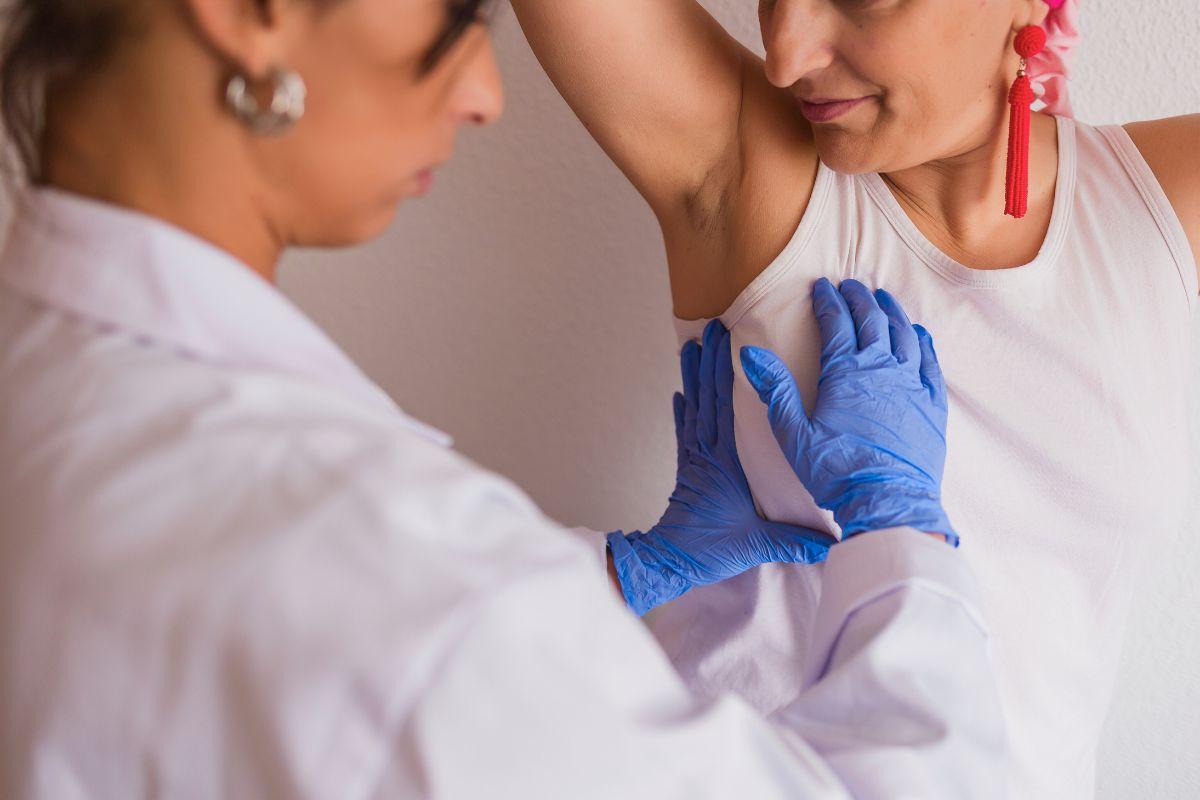
Dermatologists may suspect that histamine may be responsible for patient’s symptoms when they report dlushing, hives, ithcing, or redness that appear after eating certain foods. They may ask specific questions about your diet, alcohol intake, timing of tyour symptoms and your history of skin conditions.
Testing is usually focused on ruling out allergies or other skin conditions through patch or blood testing. Whilst targeted histamine lab tests exists, diagnoses are often made based on patterns, response to dietary changes and clinical judgement. Doctify allows you to find vetted Dermatologists in your area that can help you determine the cause of your skin problems.
Practical ways to reduce reactions
The strategy to minimise symptoms focus on lessening the overall histamine load as opposed to eliminating your favourite foods altogether.
- Some practical steps include:
- Choosing fresher foods and limiitng aged or fermentedfood items
- Avoid combining wine, cheese and chocolate in the same sitting
- Spacing out high histamine foods across the week
- Staying hydrated
- Using lower histamine alternatives
In specific cases, antihistamines may help, but this should be guided by the advice of a healthcare professional
When to Seek Help From a Dermatologist or GP
If skin reactions, flushing, or itching persists despite changes to your diet, or if symptoms begin to interefere with your daily life, it is important to seek the opinion of a doctor. A dermatologist or a GP can help rule out other causes and create a safe and tailored approach to your needs.
Doctify makes ut easy to find dermatologists who understand food related skin symptoms and histamine sensitivity.
Conclusion
Histamine reactions can feel out of the ordinary and unpredictable, but they are often manageable with the right support. For most people, avoiding your favourite food are not necessary. Instead, understanding what may trigger or contribute to your situation makes a meaningful difference.
Early guidance and personlised care can preventing symptoms from getting eorse and help you regain your confidence around food choices.
Find the right specialist for you. Doctify uses verified reviews so you can make the best decision for your healthcare.

Find the best dermatologists in the United Kingdom, or search for trusted experts globally:
- Dermatologists in Ireland
- Dermatologists in Australia
- Dermatologists in the United Arab Emirates
- Dermatologists in Germany
Medically Reviewed
Last reviewed on 16/12/2025