Many people stop hormonal contraception when they want to try for a baby, reduce side effects, switch to another option, or just to see how they feel without it. It is very common to notice changes after stopping, and in most cases, these changes are temporary.
The main thing to know is that your body is not “detoxing” or “breaking down”. It is just readjusting as the natural cycle of your hormones restarts. Gynaecologists aid patients through this period of transition by helping them understand what is normal, checking for any underlying conditions the contraceptives might have hidden and offering practical ways to manage their symptoms.
Doctify can help you find qualified and validated Gynaecologists in your area to help you navigate your own journey with contraception.
How hormonal contraception works in the body
Hormonal contraception works by giving your body synthetic versions of the reproductive hormones you already make, namely types of oestrogen and progesterone. Depending on the method, this can come in the form of pills, patches, rings, injections, implants and coils.
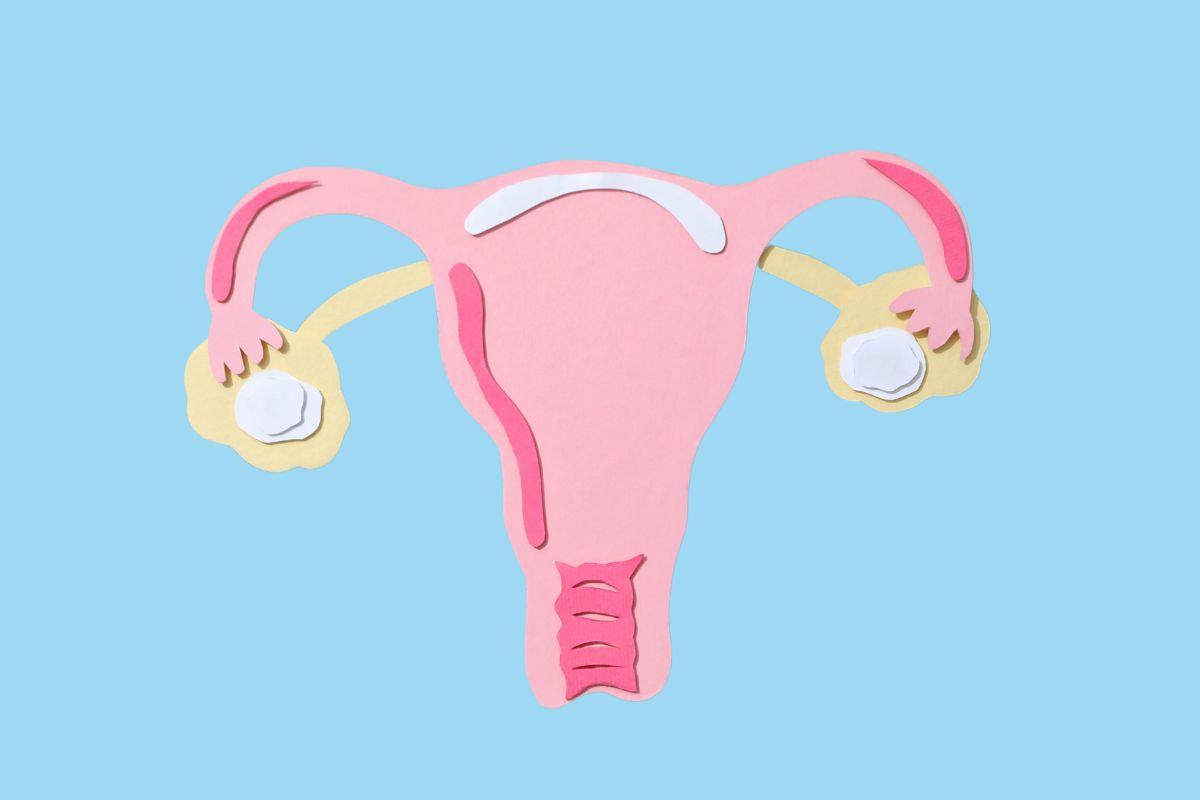
While you are on hormonal contraception, ovulation or the release of the egg is suppressed, and your cycle is under the influence of the external hormones. When these external hormones are stopped, your body retakes control and starts running the cycle again.
What happens to your hormones after stopping
As Doctify-rated gynaecologist Dr Nikki Ramskill explains that when you stop your hormonal contraceptives, “your body begins producing hormones in its natural cycle again”. As ovulation restarts, hormone levels can fluctuate, especially in the first few months. This explains why symptoms may feel more noticeable right after coming off their contraception.
For many people, their hormone levels start to settle within one to three cycles. However, for others, the process can take longer, and it depends on the type of contraception you were previously on. Dr Ramskill notes that it may “take up to 3–6 months for cycles to regulate, especially after injection (Depo can take up to 12–18 months).”
Changes to your menstrual cycle
When will your period come back?
Your period return is highly dependent on which method you were taking.
Most people will ovulate again within a few weeks, with their periods returning within the first one or two months. Early on, cycles can be irregular and may be heavier, lighter or more painful than you remember before you started contraception.
Dr Ramskill notes the difference between breakthrough bleeding and your regular periods, where she mentions “the monthly ‘bleed’ on combined pills is a withdrawal bleed (from hormone withdrawal, not ovulation). True periods only return once natural cycles and ovulation resume”.
When should delayed periods be checked?
If your period has not returned after several months (especially if you are not coming off the injection), it is worth speaking to a clinician. Additionally, if you experience heavy bleeding or significant pain, a trip to visit your gynaecologist may be warranted. Sometimes the use of hormonal contraception can mask the symptoms of another condition, and it is only revealed after being stopped.
Physical changes you might notice
Skin and hair
Some people notice acne or oiliness returning, especially if the pill is used to help you with breakouts. Hair shedding or changes to its texture can also happen. These are usually temporary while hormones rebalance
Weight and appetite
Weight changes after stopping are often related to shifts in appetite, changes in daily routine and amount of fluids in the body rather than true gain of fat. If your appetite feels different, it may be linked to the fluctuations of your sex hormones as ovulation returns.
Breast tenderness or bloating
Breast tenderness, bloating and symptoms related to PMS may appear or reappear as your natural hormone patterns return. Like the other side effects, this can be especially noticeable in the first few cycles.
Emotional and mood changes
It is normal to feel more emotionally sensitive during the phase between stopping your contraception and your hormones becoming naturally regulated. Dr Ramskill notes that individual experience may vary and include “mood swings, heightened emotions, irritability” to name a few. Hormones have a direct effect on brain chemistry, including pathways involved in mood and anxiety.
Though these mood symptoms can be a result of physical changes, they should always be taken seriously. If you notice that a low mood persists, that anxiety feels unmanageable, or that your daily tasks are being affected, it is important to talk to your doctor.
Fertility and ovulation after stopping
Fertility can return quickly, sometimes even immediately. Dr Ramskill is clear when she says “fertility can return right away (even before your first period), so it’s possible to conceive immediately.” This fact surprises many people.
If you are not planning on a pregnancy, you will need an alternative method straight away. Non-hormonal options like condoms may be a good fit. On the other hand, if you are trying to conceive, you may find it helpful to track cycles, changes in cervical mucus, or do ovulation tests, especially while the cycles are being reset.
You can find reviewed gynaecologists in your area on Doctify to help you explore the potential options for your next steps after stopping hormonal contraception.
Common myths about stopping hormonal contraception
A common misconception is that your body needs a “detox” after being on hormonal contraception. In reality, this is not the case as your body is resuming its own hormone production and natural cycles.
Another myth is the worry that it negatively affects long-term fertility. If there is a delay in fertility, it is very likely due to the specific contraception (injectable) or a previously unknown condition, and not related to the hormones themselves.
Hormonal contraception does not reduce fertility long term. Fertility returns once the method is stopped.
Dr Nikki Ramskill, MBBS, BSc, MRCGP (2020), MRCOG, DFSRH, LoC-IUT, BMS Accredited Advanced Menopause Practitioner
When symptoms may indicate an underlying issue
Hormonal contraception can sometimes mask symptoms of conditions such as PCOS or endometriosis.
- Consider speaking to a doctor if you experience:
- Irregular cycles that last for extended periods of time
- Severe acne that does not improve
- Heavy bleeding, worsening cramps, or pelvic pain
- Symptoms that get worse rather than better with time
How to support your body during the transition
A supportive routine can make the time between you stopping your contraception and the return of your regular cycles feel a lot smoother. Dr Ramskill advises to “give your body 2–3 cycles to adjust.” She also has easy-to-follow, practical recommendations, including keeping a symptom diary, having a balanced diet, adequate sleep, regular movement and general stress management.
Tracking what you are going through can help you understand patterns, get an understanding of what is working and provide you with specific details to share with a physician if you decide to see one.
When to see a gynaecologist
Consider booking an appointment if:
- Periods do not return after several months
- Symptoms are severe, distressing or getting worse
- You want pre-conception advice or assistance choosing a new contraception option
Doctify can help you find trusted gynaecologists for personalised guidance, cycle concerns, and contraception planning.
Key takeaway
Most changes after stopping hormonal contraception are temporary and are a reflection of your body restarting its natural hormonal cycles. Understanding what is normal can lessen your worry and help you feel more in control. If symptoms do not settle or if anything feels out of the ordinary, support is readily available, and it is always reasonable to ask for medical advice.
Find the right specialist for you. Doctify uses verified reviews so you can make the best decision for your healthcare.

Find the best gynaecologists in the United Kingdom, or search for trusted experts globally:
- Gynaecologists in Ireland
- Gynaecologists in Australia
- Gynaecologists in the United Arab Emirates
- Gynaecologists in Germany
Medically Reviewed
Last reviewed on 15/12/2025