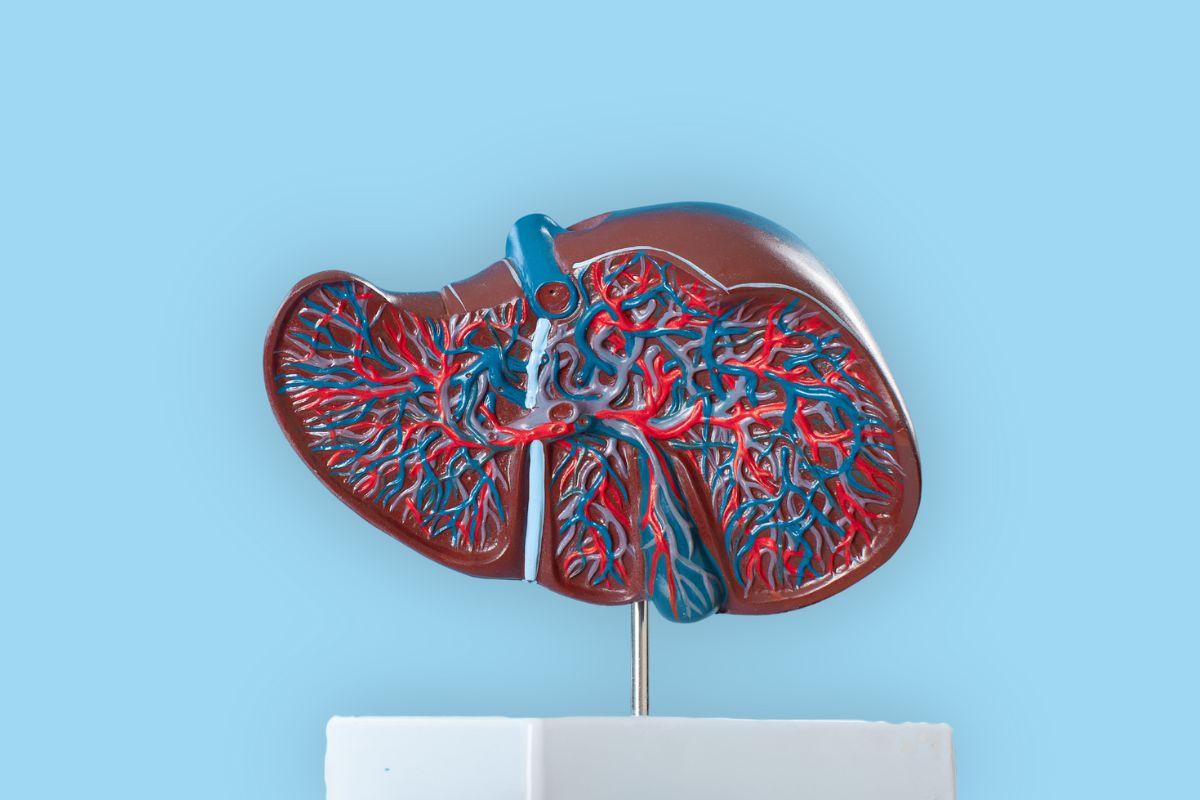
The liver processes what we consume, filters toxins, produces crucial proteins, regulates metabolism, and even has an incredible ability to regenerate. Think of it as your body’s ultimate processing plant and detox centre, working 24/7 without a break.
Dr Angad Dhillon, Doctify top-rated gastroenterologist
Drinking alcohol for several days in a row places extra strain on the liver. One of the liver’s roles is to detoxify alcohol and afterwards it needs time to recover, since all the harmful chemicals produced during the breaking of the alcohol particles generate harmful chemicals that can damage or kill the liver. Doctify helps connect with GPs that can help assess symptoms, check liver health, and support people wanting to reduce or stop drinking.
How the liver processes alcohol
Alcohol is metabolised in the liver with the help of two enzymes: alcohol dehydrogenase (ADH) and aldehyde dehydrogenase (ALDH). First, ADH metabolizes alcohol to acetaldehyde (high toxicity). After, acetaldehyde is further metabolized by ALDH to another less active, known as acetate. Lastly, acetate is broken down into water and carbon dioxide for an easier elimination.
The liver must break down every drink consumed in order to eliminate it from the body. When liver enzymes are overwhelmed by the consecutive drinking days, it can get inflamed, causing symptoms like: fatigue, abdominal pain, dark urine, jaundice, among others.
What consecutive drinking days do to your liver
A. Increased inflammation
- An ongoing exposure causes the liver to work continuously without rest.
- The alcohol triggers inflammation, leading to early stages of injury (fatty liver).
B. Impaired detoxification
- The enzymes become saturated and toxins accumulate.
- The ability to process medications, hormones, and waste products is reduced.
C. Sleep disruption and dehydration worsen stress on the liver
- Poor sleep increases oxidative stress on the liver.
- Dehydration concentrates toxins and slows liver recovery.
Short bursts vs long-term drinking patterns
A. Short bursts (weekends, holidays, parties)
- Leads to temporary changes such as: inflammation, dehydration, fatigue.
- It can have the potential for acute issues like gastritis or pancreatitis during binges.
- Binge drinking is included, the National Institute on Alcohol Abuse and Alcoholism defines it as: “a pattern of drinking that brings blood alcohol concentration to 0.08% or higher. For a typical adult, this corresponds to five or more drinks (male), or four or more drinks (female), in about two hours”.
B. Long-term drinking habits
The cumulative effect of months or years of drinking several days a week can lead to:
- Fatty liver disease, which is often silent but reversible in early stages.
- Alcoholic hepatitis, an inflammation of the liver that causes pain, jaundice, and tiredness.
- Fibrosis and cirrhosis, a long-term scarring that may become permanent if untreated.
Early signs your liver may be struggling
Below are some signs and symptoms that might indicate your liver needs help:
- Persistent fatigue or low energy.
- Abdominal discomfort or fullness on the right side.
- Nausea, reduced appetite, or unexplained weight changes.
- Yellowing of the eyes or skin (late warning sign).
- Easy bruising or swelling in the legs/abdomen (advanced).
Why “drink-free days” matter
Drink-free days are fundamental since the liver needs time off to allow inflammation to settle and liver cells to repair. Remember alcohol produces strong chemicals that can damage or kill your liver. Even 48–72 hours without alcohol improves liver enzyme levels drastically.
Here are some recommendations from Dr Angad Dhillon that will help you when drinking alcohol:
- Always eat before drinking.
- Spread drinks out, alternate alcoholic drinks with water.
- Choose lower-sugar options.
- Never binge.
- Remember to stick within the guidelines: less than 14 units per week and maintain at least 2 alcohol-free days.
- Set self limits
How to support your liver during recovery
A. Hydration
- A good hydration restores electrolyte balance and supports metabolism.
- A minimum 2-3 liters of water per day
B. Nutrition
- Eat more protein, leafy greens, and whole foods to help liver cell repair.
- Avoid ultra-processed foods that increase inflammation.
C. Sleep and rest
- The liver restores and detoxifies during resting periods.
D. Reducing alcohol frequency
- Plan alcohol-free days throughout the week.
- Choose lower-strength drinks or smaller measures.
When to seek GP advice
Please contact a specialist if you have any of the following:
- Drinking on consecutive days becomes a pattern you can’t reduce.
- Physical symptoms suggesting liver strain.
- Concerns about dependency, binge drinking, or difficulty stopping.
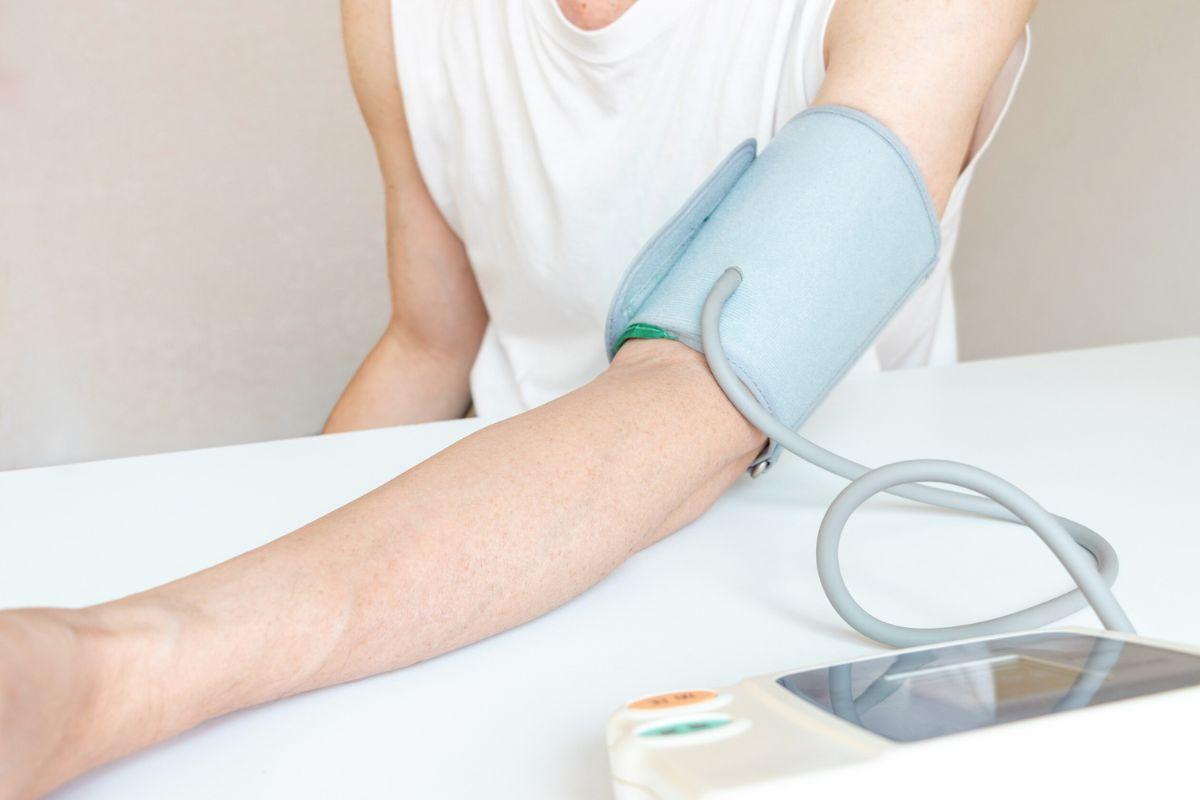
GPs can order liver function tests, assess risks, and suggest treatment pathways.
What a GP can check or recommend
GPs can order blood tests, such as: LFTs, GGT, full liver panel. As well, they can discuss drinking habits in a non-judgmental setting and offer support options: counselling, community resources, medication when appropriate. Lastly, GPs can refer to liver specialists if needed.
Takeaway
Consecutive drinking days increase the liver’s workload and can lead to long-term harm. Early lifestyle changes and GP support help protect liver health. Doctify enables users to find trusted GPs and liver specialists for personalised advice.
Feel free to consult a GP through Doctify for personalised advice whenever you want, we will be happy to help you! Find the best GPs in the United Kingdom or search for the best specialists globally:
Find the right specialist for you. Doctify uses verified reviews so you can make the best decision for your healthcare.