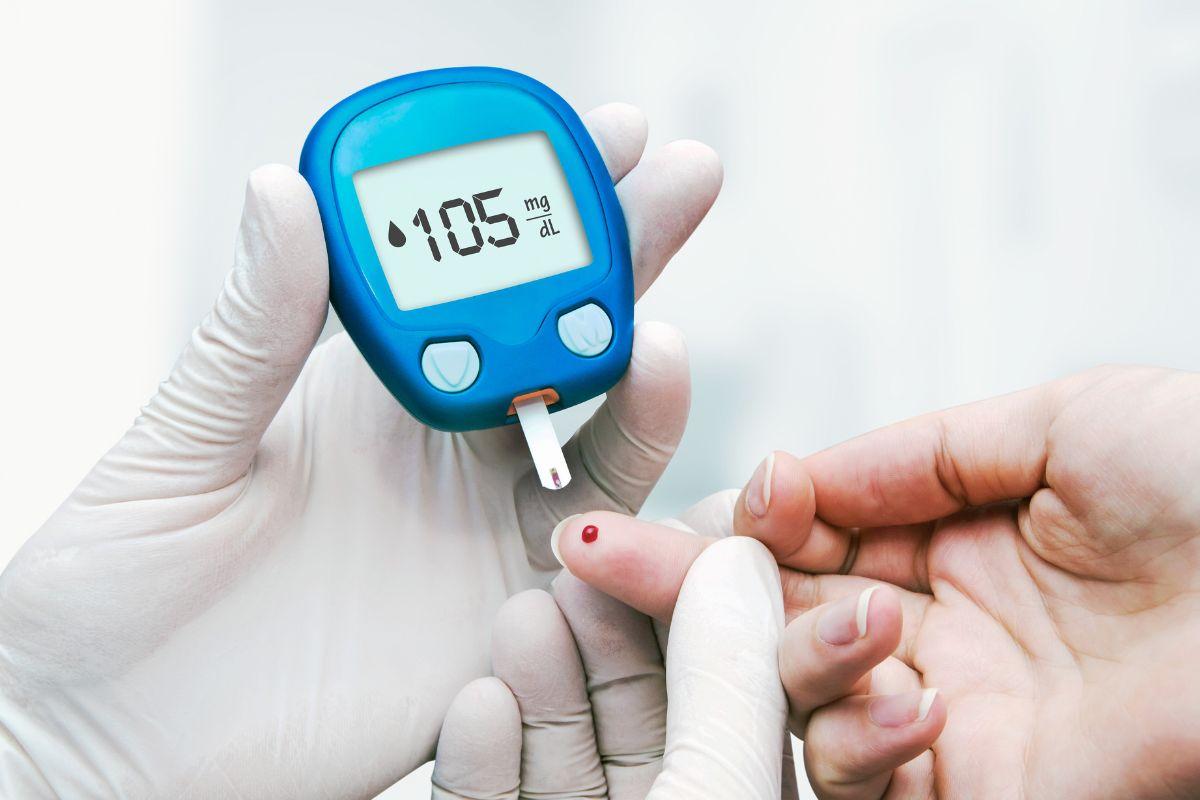
Some people, after being diagnosed with type 2 diabetes, feel very concerned about their diagnosis and start to ask if it can be reversible. Though, there is a slight difference between reversal, remission, and cure. Reversal is the process of improving a condition to a non-diseased state, often lifestyle-driven, possible in type 2 diabetes. Remission is the resulting status with normal health markers, but with a risk of relapse, also possible in type 2 diabetes. Lastly, cure means a complete eradication of the illness, not possible for chronic diseases. Progress in type 2 diabetes is possible with the right support and guidance of the professional GPs. Doctify helps you connect with the best GPs.
What does “remission” mean in type 2 diabetes?
For type 2 diabetes remission is reached when the glucose in blood (HbA1c) returns to normal parameters (less than 6.5%) for at least 3 months without using medication for type 2 diabetes. Nevertheless, remission does not mean diabetes is permanently gone. The diabetes can come back, so the patient must continue with the healthy lifestyle habits and constant check-ups with monitoring even after remission.
How type 2 diabetes develops
Type 2 diabetes is developed by insulin resistance and excess glucose in the blood. Normally, insulin is in charge of moving the glucose from the blood to the inside of the body cells. With the insulin resistance, the cells don’t let the insulin get glucose inside of the cells, having as a result an increment in the levels of blood glucose (hyperglycemia). Then forcing the pancreas to produce more insulin (hyperinsulinemia) and eventually causing type 2 diabetes,
Among the risk factors for developing this insulin resistance are: weight gain, obesity, family history, and lifestyle factors. Nonetheless, an early diagnosis and management makes remission more achievable.
What the evidence says about reversing type 2 diabetes
Studies show that if you reverse your insulin resistance, you can reverse your type 2 diabetes. This is possible by minimizing sugars and excessive carbohydrates in your diet, trying to have a healthy weight, and exercising regularly. A significant weight loss can improve insulin sensitivity, many studies have shown a remission of diabetes after achieving a healthy weight.
The role of weight loss in diabetes remission
Weight loss is a major driver of remission for many people, since it reduces the harmful fat in organs, like liver and pancreas. Also, it decreases the insulin sensitivity and restores the normal metabolic function. For a type 2 diabetes remission, it is needed to have a weight loss of 10-15% or more of your body weight.
There is a great difference between gradual and rapid weight loss. Gradual weight loss (1-2 lbs/week) is healthier since it helps preserve the muscle mass, while rapid weight loss (over 2 lbs/week) often leads to significant muscle loss and potential nutrient deficiencies.
Metabolic disorders can increase the risk of many chronic diseases. Two of the primary diet- and weight-related drivers of metabolic dysfunction (metabolic ill-health) are inflammation and insulin resistance.
Dr Philip Bazire, Doctify Medical Weight Loss Specialist, Weight Loss & Bariatric Surgeon.
Diet changes that support blood sugar control
Here are some diet changes tips that can help:
- Reducing refined carbohydrates and ultra-processed foods.
- Increase the consumption of whole foods, fibre, protein, and healthy fats.
- Eat at your times, don’t skip meals, and remember eating less doesn’t mean it’s better.
- There is no single “diabetes diet” that suits everyone, each diet is different for each person.
Physical activity and insulin sensitivity
Regular movement improves blood sugar uptake drastically. Any type of physical activity decreases the levels of blood sugar, from strength training, practicing a sport, and even walking. Having everyday physical activities is the key, consistency matters more than intensity.
The role of medication during remission
Some people might still need medication initially because their blood sugar is too high and sometimes the help of medication is needed. Nevertheless, medications may be reduced under medical supervision if the GP considers it. Stopping medication without GP guidance can be unsafe.
Factors that affect whether remission is possible
These factors can truly affect your remission:
- Duration of diabetes before diagnosis.
- Degree of weight loss achieved and maintained.
- Genetics and underlying insulin function.
- Stress, lack of sleep, and other health conditions.
Common myths about diabetes reversal
Here are some myths about type 2 diabetes reversal:
- “I can stop checking my blood sugar if I feel better.”
- “Once in remission, diabetes can’t come back.”
- “Extreme diets work better long term.”
Sustainable changes are more effective than quick fixes since they will endure over time. Type 2 diabetes can come back, but with the implementation of healthy lifestyle habits, regular blood tests, and constant check-ups, the risk decreases significantly.
When to speak to your GP
Please contact a GP if:
- You are desiring to make a major diet or weight change.
- Your blood sugar levels are fluctuating.
- You want to discuss safe weight-loss strategies and monitoring plans.
GPs are always willing to support long-term remission and prevent relapse.
Living well after remission
- It is very important to continue with your healthy lifestyle habits.
- Implement regular blood tests and health checks.
- Be aware and quickly manage relapse risk with early intervention.
- Focus on overall health, not just numbers.
Final takeaway
Type 2 diabetes can go into remission for some people, especially with early action. Remission requires medical guidance, lifestyle changes, and ongoing care. Remember, sustainable changes are more effective than quick fixes since they will endure over time. Doctify helps patients find trusted GPs to support safe, evidence-based diabetes management.
Find the right specialist for you. Doctify uses verified reviews so you can make the best decision for your healthcare.

Feel free to consult a GP through Doctify for personalised advice whenever you want, we will be happy to help you! Find the best GPs in the United Kingdom or search for the best specialists globally:
Medically Reviewed
Last reviewed on 17/12/2025