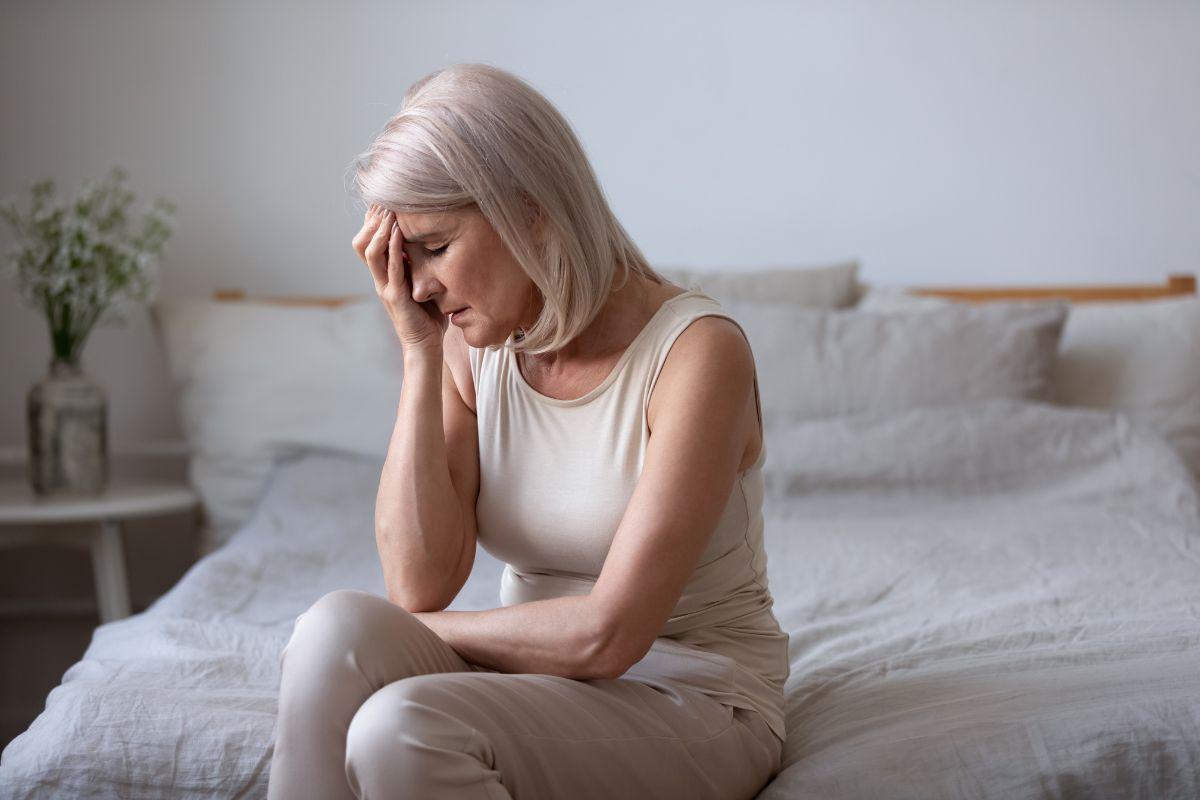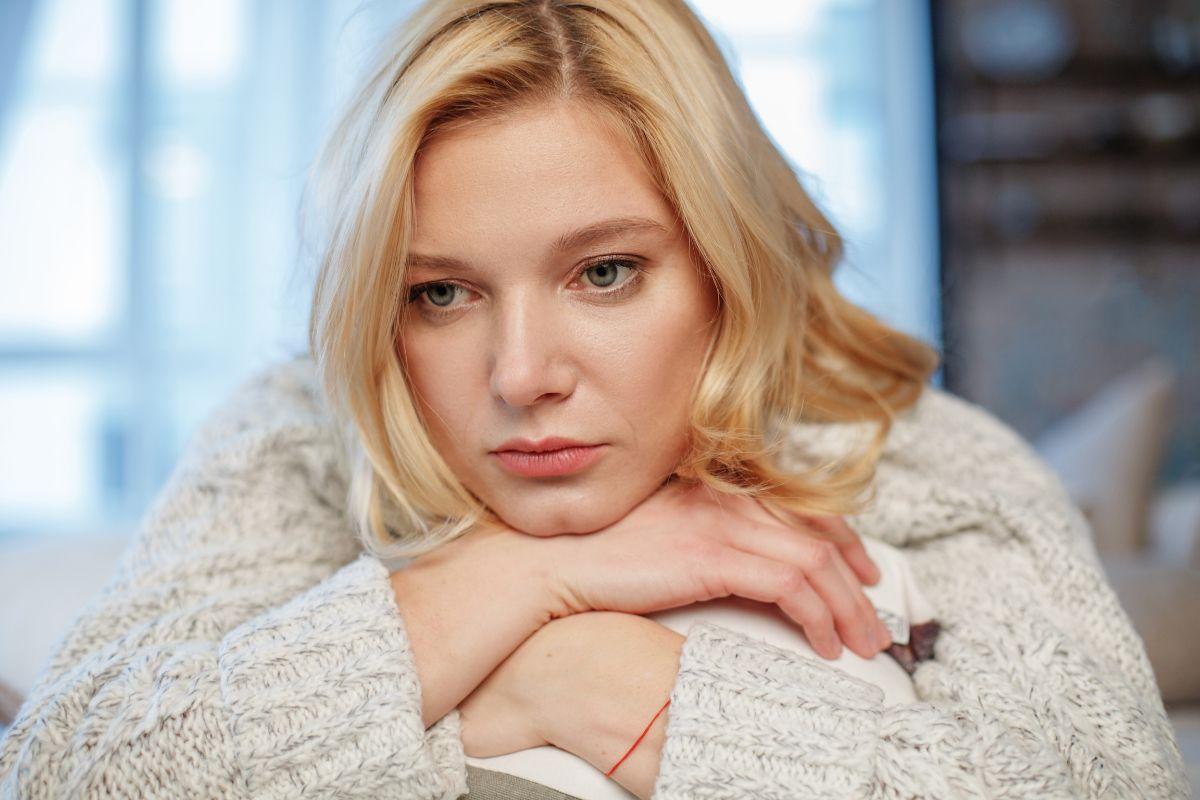
Often people experience work stress, family commitments, relationship conflicts and poor sleep. This comes with a range of emotions, like sadness, disappointment, or anger. The hard part is knowing whether these changes are hormonal or due to something else.
The aim of this article is to help readers understand mood changes and notice early signs, so they can make informed choices. Doctify is an online platform that connects you with trusted mental health professionals who can support your wellbeing.
What normal hormonal mood changes can look like
Hormones are chemical messengers that affect the way we feel and think. Common examples are the menstrual cycle, contraception changes, perimenopause and postpartum, which temporarily influence sex hormone levels.
Such hormonal changes may result in sudden mood shifts, weight changes and lack of sleep, and they are understandable by many, as they come and go when the cycle ends.
When mood swings start to feel different
It’s completely understandable to feel emotional changes from time to time, as our emotions are sensitive to how we react to others and situations. However, if you feel a sudden wave of intense emotions that lasts longer than hormonal cycles and affects how you function during the day. This may be an early sign.
In everyday language, this means you may become more irritable at work, experience anger or jealousy in relationships, and have negative thoughts about yourself or the world.
Key differences between hormonal shifts and mood disorders
There is an overlap between hormonal changes and mood disorders in terms of timing and persistence. Knowing that mood changes are more likely to be due to hormones rather than a mood disorder can bring reassurance. People with mood disorders may experience periods of low motivation or interest, empty feelings and little reaction to things that used to matter.
They may also have periods of intense emotions that feel uncontrollable, along with impulsivity and irritability. They can feel stuck and hopeless. By contrast, people with hormonal shifts may have varied emotions that come and go as the cycle ends. These emotional changes are linked to what’s happening around us and are not ongoing.
Signs mood swings may be linked to depression
Rapid, sudden and intense emotions such as sadness, frustration or hopelessness most days, can be associated with depression. People may feel tired even when doing very little, eat much more or less than usual and sleep more or less than before. They may not feel like doing activities or hobbies they used to enjoy such as reading a book, watching a film or exercising.
These symptoms can contribute to self-criticism like ‘I’m not good enough’ or ‘Nothing is going to change.’ These feelings are real and valid, even if they seem hard to explain.
Signs mood swings may be linked to anxiety
Mood swings are not only linked with ongoing low mood, but also with anxiety. Many people may experience feeling tense or on edge at work or at home, a racing heart without an obvious reason, and getting annoyed quickly over small tasks. Thoughts like ‘I keep worrying, even when I know I shouldn’t’ can make it hard to relax.
Emotional and behavioural red flags to take seriously
Mood swings have some red flags, such as mood not lifting or improving even after rest, weeks or positive events, people quickly return to a distressed mood. They may start acting differently at work or in relationships than they used to do and the change is often noticed by others like ‘You don’t seem like yourself’.
They may feel others would be better off without them, resulting in distancing themselves from social activities. These moments could be accompanied by hopeless thoughts, like ‘life is not worth living’. Such signs should be taken seriously as red flags.
The role of life stress and past experiences
Ongoing stress is common, resulting in anxiety or low mood and making hormonal changes feel more intense.
after continued stress, burnout can show up and affect the way we think and feel leading to physical exhaustion
Dr Sarah Jane Khalid, Doctify-rated Counselling Psychologist and Coach
People may feel emotionally drained after months or years of getting on with it and ignoring how they feel. They may become more refractive or withdrawn after repeated disappointments, especially after past abusive relationships. Most people face multiple life pressures alongside hormonal and emotional changes. This doesn’t mean they are weak, it simply means that their system is under load.
When to seek a clinical review
Consider seeking support when symptoms last for weeks and don’t ease with rest or self-care, followed by neglecting yourself. Other signs could include feeling ongoing low or stressed, combined with fatigue, appetite changes or physical tension. Early guidance is crucial, as it helps you realize what is going on and symptoms can become more manageable.
Conclusion
Feeling low or anxious is common, but if it lasts for weeks and the symptoms are severe enough to make you feel unable to cope with everyday tasks, it should be taken into account. If you feel that something is off with yourself or someone you care about, trust your instinct and seek early support to prevent symptoms from getting worse.
Doctify is an online platform that connects you with mental health professionals who can help you navigate what you’re going through and plan the right next steps. Remember, you are not alone.
Find the right specialist for you. Doctify uses verified reviews so you can make the best decision for your healthcare.

Find the best depression specialists in the United Kingdom or explore options globally:
- Depression specialists in Ireland
- Depression specialists in the United Arab Emirates
- Depression specialists in Australia
- Depression specialists in Germany
- Depression specialists in Austria
Medically Reviewed
Last reviewed on 02/02/2026