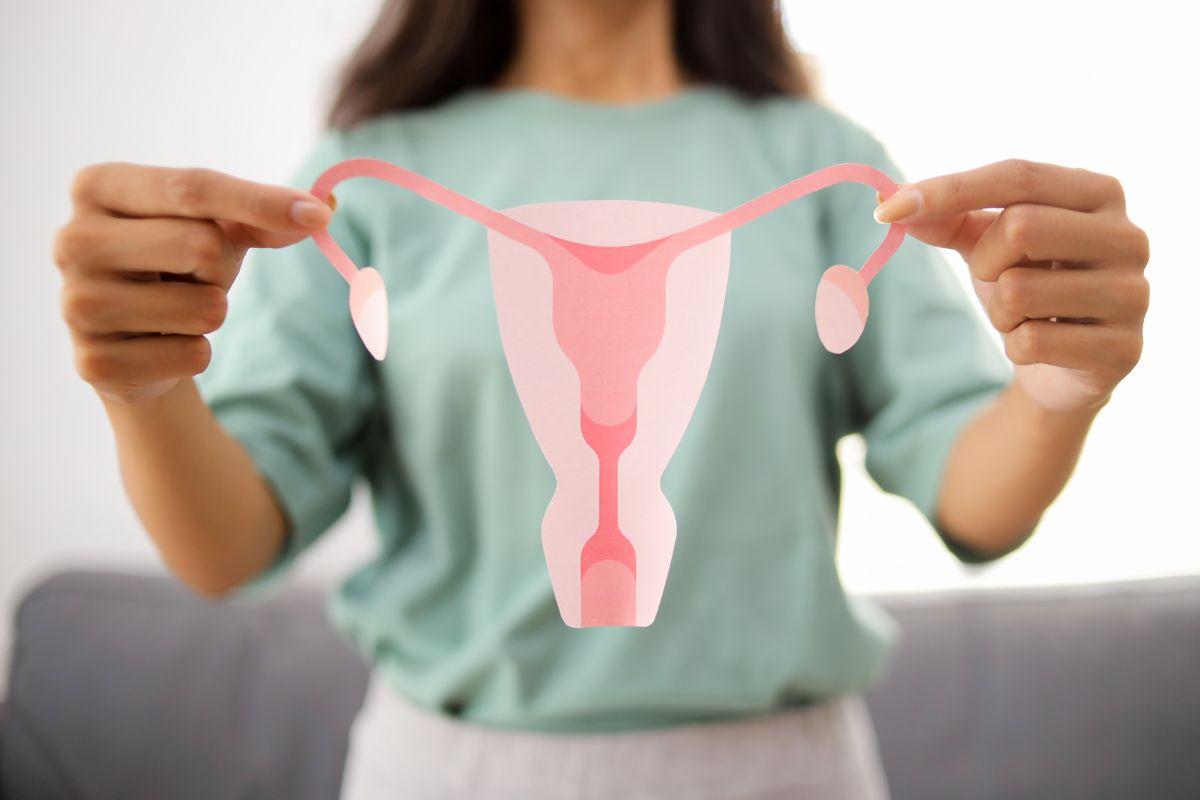
Based on worldwide statistics, Polycystic ovary syndrome or PCOS is the most common endocrine-gynaecology condition seen in reproductive-aged women. It is diagnosed clinically and with ultrasound images using a criterion called the Rotterdam. A diagnosis involves at least two of the following: irregular or absence of menstruation or ovulation, signs of excess androgen or male hormones and presence of polycystic ovaries in ultrasound.
However, many women often experience symptoms long before a formal diagnosis is made. Early symptoms of PCOS are often minimal and easily overlooked. It may initially seem unrelated or associated with stress, such as irregular period, persistent acne or changes in weight. Thus, many reproductive-aged women suffer from this condition for several years before recognising that the symptoms are connected.
Recognising early signs of PCOS allows timely diagnosis and better management. Early intervention protects fertility, reduces the risk of long-term complications and improves the overall well-being of patients. Platforms such as Doctify make it convenient and easier to find qualified gynaecological and endocrinology specialists for proper assessment and tailored care.
What is PCOS and how does it affect hormones?
Polycystic Ovary Syndrome (PCOS) is a complex hormonal condition that affects ovarian function. Hormonal signals are deregulated and disrupted due to metabolic changes. Androgens, often referred to as male hormones, are commonly seen in PCOS. Naturally, women produce a small amount of androgen; however, in cases of PCOS, a higher level or excess amount leads to symptoms such as increased hair growth and changes.
A major underlying factor in many cases of PCOS is insulin-resistance and is related to Diabetes Mellitus. Insulin is the hormone responsible for regulating blood sugar levels, and when the body becomes resistant to insulin, the ovaries produce more androgen, further affecting hormonal balance.
What are the early signs of PCOS many people miss?
Early signs of PCOS vary from person to person, which is the reason why the condition may go undiagnosed for years. It includes:
- Irregular or unpredictable menstrual cycles
- Acne that persists beyond teenage years
- Increased hair growth on the face, chest, or abdomen
- Difficulty managing weight or sudden weight changes
These symptoms may occur individually or cluster together and may not immediately suggest PCOS without proper evaluation by professionals. Most individuals experience fewer periods per year, while others may have cycles that are irregular in length. Persistent acne beyond teenage years is another indicator. Hormonal acne is often seen along the jawline, chin or even the back. Increased hair growth can also occur. Some individuals will also have difficulty managing weight gain, but this symptom is not absolute, as PCOS can be seen in lean women.
How do menstrual cycle changes signal possible PCOS?
Women suffering from PCOS can experience long gaps between periods, sometimes going several months without menstruation in a year, making it difficult to anticipate when the next period will occur.
Bleeding patterns may also be different from person to person. As Dr. Neelima Dixit a consultant Gynaecologist and Obstetrician with extensive experience in PCOS, mentioned that hormonal fluctuations, stress, or changes in uterine contractions can cause intermittent bleeding. Some people will experience very light bleeding or, in worst cases, heavier periods when menstruation occurs. Heavier periods can be difficult for some patients and cause hospitalisations. Tracking cycles can be very helpful in recognising irregular menstrual patterns, thus alerting an individual when irregularities may need medical evaluation.
How is insulin resistance linked to PCOS symptoms?
When the body becomes less responsive to insulin, the pancreas produces more insulin to make the blood sugar levels stable. The higher the insulin levels, the more the ovaries are stimulated to produce more male hormones, which contribute to the PCOS symptoms we often see. It will also greatly affect metabolism and, in some, appetite regulation. Patients can experience fatigue, sugar cravings or difficulty losing weight despite drastic lifestyle changes.
Why does early diagnosis help protect fertility and long-term health?
Irregular ovulation can make conception more difficult. Having PCOS does not ultimately cause infertility with proper medical guidance. Early diagnosis allows clinicians to monitor ovulation patterns and provide appropriate support when fertility is the problem.
PCOS is also associated with long-term health risks such as Type 2 Diabetes Mellitus. The insulin resistance and metabolic syndrome contribute to cardiovascular risk factors. With early intervention, many of these risks are reduced with lifestyle changes, medical treatment and regular monitoring.
How is PCOS assessed by a clinician?
Diagnosing PCOS typically involves reviewing medical history, performing a physical examination, and using laboratory and imaging modalities. Clinicians often start by asking about the patient’s menstrual patterns and associated symptoms such as acne, unusual hair growth or weight changes. Identifying the symptoms and when they started helps guide the management.
Blood tests are also used to measure hormone levels. These tests also help rule out conditions that can cause similar symptoms. Ultrasound imaging is common in obstetrics and gynaecology. The presence of multiple cysts on the ovaries is an indication but not an absolute criteria for diagnosing PCOS. Patients with PCOS may not have this on ultrasound but still are managed as one.
When should you see a doctor about possible PCOS?
Persistent irregular periods, especially fewer than eight cycles per year, may indicate irregular ovulation and should be evaluated by a healthcare professional. Other signs, such as excessive hair growth or hairfalls, severe acne or unexplained weight changes, require medical attention.
Concerns about fertility or difficulty in conceiving may benefit from early evaluation and management for better reproductive planning.
Getting the right support early
Early recognition of PCOS symptoms allows timely management and better long-term health outcomes. With proper support and treatment, many can benefit from proper guidance from the specialist. Personalised treatment can better manage symptoms, regulate cycles and protect fertility and metabolic health.
Platforms like Doctify help patients find experienced gynaecologists and obstetricians. They conveniently read verified reviews and book consultations based on their likes and availability. Finding the right specialists can play an important role in maintaining hormonal health and preventing future complications.
Find the right specialist for you. Doctify uses verified reviews so you can make the best decision for your healthcare.

Find the Gynaecogolist for your symptoms through Doctify! Find the best Obstetrician and Gynaecologist in the United Kingdom near you or even explore for the top specialists globally:
- Obstetrician and Gynaecologist in the United Arab Emirates
- Obstetrician and Gynaecologist in Germany
- Obstetrician and Gynaecologist in Austria
- Obstetrician and Gynaecologist in Ireland
- Obstetrician and Gynaecologist in Australia
Medically Reviewed
Last reviewed on 10/03/2026