After a diagnosis of Parkinson’s disease, many people naturally want to know whether the condition can be slowed down, or even stopped altogether.
At present, Parkinson’s disease cannot be reversed or stopped. However, its impact can often be significantly reduced through a combination of medication, regular exercise and supportive care. Ongoing research into disease-modifying therapies offers hope for the future, but current management focuses on maintaining function, independence and quality of life.
So what actually makes the biggest difference to how Parkinson’s progresses over time?
What treatments help slow Parkinson’s progression the most?
There is no single treatment that improves long-term outcomes in Parkinson’s disease on its own. Instead, the most effective approach focuses on overall wellbeing and a comprehensive, holistic plan of care.
Managing motor symptoms is important, but equal attention should be given to other aspects of health that influence day-to-day function and long-term outcomes. These include:
- Optimising sleep
- Maintaining a balanced, nutritious diet
- Supporting gut health
- Protecting bone strength
- Looking after oral health
- Identifying and treating co-existing symptoms such as anxiety, low mood, pain or blood pressure problems
Among all interventions, regular physical exercise has the strongest evidence for improving long-term outcomes. Exercise supports mobility, balance, cardiovascular health and overall resilience.
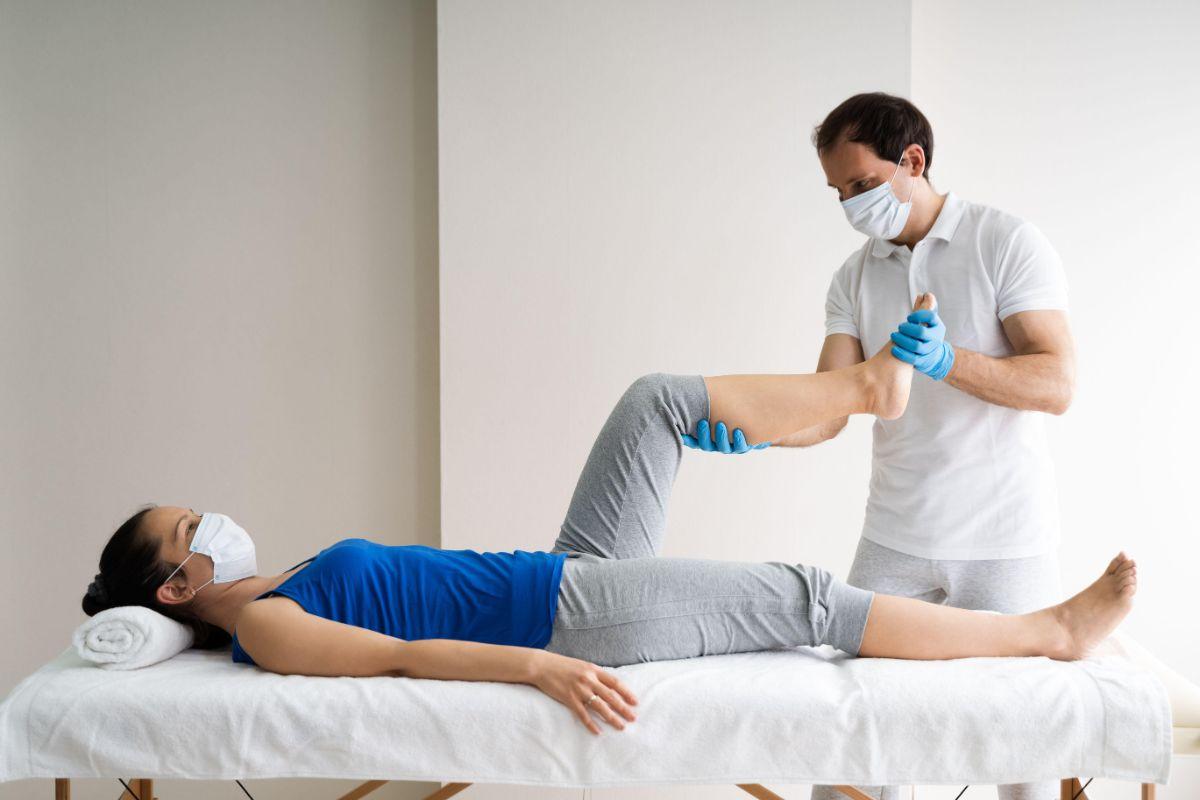
Optimised medication, physiotherapy, speech therapy, treatment of sleep and mood disorders, and multidisciplinary care also play important roles in maintaining function and reducing complications over time.
In practice, the most effective strategy is not a single therapy, but consistent and coordinated care across multiple areas of health.
Does early diagnosis change outcomes?
Yes, early diagnosis can make a meaningful difference.
While Parkinson’s cannot currently be stopped, early identification allows symptoms to be managed sooner and more effectively. It also helps people understand their condition and take an active role in their care.
Early diagnosis allows for:
- Earlier symptom control
- Education about the condition
- Lifestyle modification
- Forward planning
- Regular monitoring
- Timely access to therapies that support long-term wellbeing
Just as importantly, it establishes ongoing follow-up with a neurologist experienced in Parkinson’s disease. Regular specialist review allows treatment to be adjusted as symptoms evolve and helps anticipate problems before they arise.
Over time, proactive and personalised care can significantly reduce the overall impact of the condition.
How long can someone live with Parkinson’s after diagnosis?
With good medical management, Parkinson’s disease is not usually life-limiting, and many people live for decades after diagnosis.
With modern treatments, specialist neurological care and a proactive approach to symptom management, many people are able to maintain a good quality of life for many years. Parkinson’s is a long-term condition that progresses gradually, and its course varies widely from person to person.
Life expectancy is influenced by factors such as:
- Age at diagnosis
- Overall physical health
- How well symptoms are managed
- Access to specialist and multidisciplinary support
With regular follow-up, timely treatment adjustments and attention to both physical and mental wellbeing, many people continue to live active, meaningful and fulfilling lives well into the later stages of the condition.
What everyday habits help support long-term outcomes in Parkinson’s disease?
Daily habits play an important role in supporting long-term health and function.
Key elements include:
- Regular exercise
- Good sleep
- Balanced nutrition
- Staying mentally and socially active
- Managing stress
- Adhering to treatment plans
These measures are most effective when they form part of a consistent routine rather than occasional interventions.
Over time, healthy daily habits help maintain physical strength, mobility, mood and cognitive function. Alongside medical treatment and specialist care, these routines form the foundation of long-term wellbeing.
The bottom line
Parkinson’s disease cannot currently be reversed or stopped. However, its impact can often be significantly reduced.
With early diagnosis, optimised medication, regular exercise, multidisciplinary care and consistent daily habits, many people live for decades with a good quality of life. The goal of treatment is not simply symptom control, but maintaining independence, function and overall wellbeing over time.
About the author
Dr Kit Wu is an award-winning Consultant Neurologist specialising in movement disorders and general neurology, practising at King’s College Hospital NHS Foundation Trust and The Wellington Hospital. She is a member of the Parkinson’s Disease Centre of Excellence at King’s College Hospital, one of only two centres in the UK recognised for excellence in Parkinson’s care and research. Dr Wu holds a PhD in Neurosciences from Imperial College London and is recognised for her work improving access to healthcare for diverse communities.
Find the right specialist for you. Doctify uses verified reviews so you can make the best decision for your healthcare.