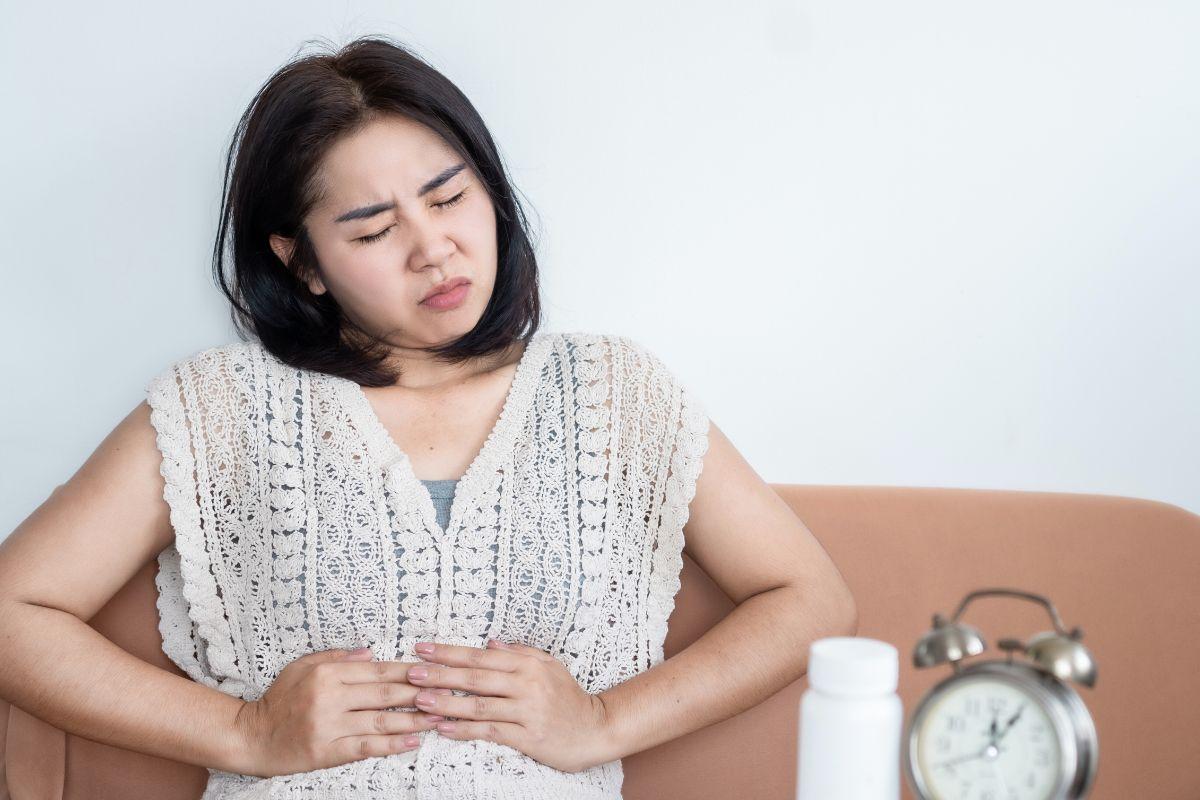
Many people notice diarrhoea, constipation, or urgency during their cycle because of the changes in the bowel habits caused by the hormonal shifts affecting the gut. Changes in bowel habits around your period are very common. Understanding why this happens and hormone changes can ease worry. Doctify offers experienced gynaecologists in case you need help.
How your menstrual cycle affects digestion
As Doctify-rated Menopause Specialist Dr Nadira Awal explains, your period can affect bowel movements due to hormonal changes that occur during your menstrual cycle. The primary culprits are prostaglandins hormone-like substances released by the uterus to stimulate contractions that help shed the uterine lining. Prostaglandins can also affect the intestines and produce diarrhea.
Additionally, fluctuating levels of oestrogen and progesterone throughout your cycle can impact digestion. In the luteal phase (the time between ovulation and menstruation), progesterone levels rise significantly, slowing down digestion and potentially causing constipation before your period starts. Once menstruation begins and progesterone levels drop, bowel movements may become looser or more frequent due to increased prostaglandin activity. Some people also experience cramping in both the uterus and intestines during their period because these organs share nerve pathways in the pelvis.
Why diarrhoea is common during your period
Diarrhea is common during your period due to prostaglandins and their effect on uterine cramps and bowel contractions. Prostaglandins stimulate the intestine muscles, leading to increased bowel activity. The faster gut movement leads to loose stools or urgency. The symptoms often peak on the first 1–2 days of bleeding because the prostaglandin levels in the body are higher.
Why some people experience constipation instead
In other cases, people experience constipation instead, because of progesterone’s slowing effect on digestion in the days before a period. It reduces gut motility and water absorption. Bloating and discomfort can worsen constipation since it contributes to the reduced gut motility.
Other bowel changes you might notice
These are other bowel changes you might experience:
- Increased wind or bloating.
- Abdominal cramping that feels similar to bowel pain.
- More frequent bowel movements without diarrhoea.
- Temporary changes that settle once the period ends.
Period-related bowel symptoms vs IBS
Periods can trigger IBS flares due to hormonal shifts affecting gut motility and inflammation. As well, with the increased production of prostaglandins that impact the uterine contractions and bowel motility. The hormonal bowel changes and IBS can have overlapping symptoms, such as: bloating, diarrhea, constipation, cramping, abdominal pain, gas, and changes in stool patterns. When symptoms follow a clear monthly pattern, probably we are experiencing a case of period-related bowel symptoms and not IBS.
What’s usually normal
Having these symptoms is completely normal with nothing to worry about:
- Symptoms that start just before or during a period and improve afterwards.
- Mild diarrhoea or constipation lasting a few days.
- Bowel changes without weight loss, bleeding, or severe pain.
When bowel changes may need checking
Bowel changes may need checking when:
- Symptoms lasting throughout the cycle, not just during periods.
- Severe pain that interferes with daily life.
- Blood in stools, persistent diarrhoea, or ongoing constipation.
- Unexplained weight loss, fatigue, or anaemia.
- Possible links to endometriosis or other gynaecological conditions.
Practical tips to ease period-related bowel symptoms
A. Diet adjustments
- Staying hydrated, drinking water helps regulate digestion.
- Gentle fibre intake depending on symptoms, these promote healthy bowel movements.
- Limiting caffeine and very fatty foods during periods.
- Avoid trigger foods, spicy or fatty foods may worsen diarrhoea.
B. Pain and cramp management
- Heat, gentle movement, and appropriate pain relief.
- Over-the-counter anti-diarrheal medications or pain relief for cramping may help if symptoms are severe.
C. Supporting gut comfort
- Regular meals.
- Relaxation, meditation, and stress reduction practices.
When to see a doctor
Please contact a doctor if you experience any of the following:
- Bowel changes are new, worsening, or unpredictable.
- Symptoms affect quality of life.
- Symptoms unrelieved by over-the-counter medication.
- Pain and bowel changes with nausea or vomiting.
If bowel changes during your period are extreme or interfere with daily life, consult a healthcare professional to rule out conditions like irritable bowel syndrome (IBS) or endometriosis.
Dr Nadira Awal, Doctify-rated Menopause Specialist.
Final takeaway
Hormone changes during your period commonly affect bowel habits. Most symptoms are temporary and manageable. Medical support is available if something doesn’t feel right. Doctify helps you find trusted GPs and gynaecologists for personalised advice.
Find the right specialist for you. Doctify uses verified reviews so you can make the best decision for your healthcare.

Feel free to consult a gynaecologist through Doctify for personalised advice whenever you want, we will be happy to help you! Find the best gynaecologyists in the United Kingdom or search for the best specialists globally:
- Gynaecologists in the United Arab Emirates
- Gynaecologists in Germany
- Gynaecologists in Austria
- Gynaecologists in Ireland
- Gynaecologists in Australia
Medically Reviewed
Last reviewed on 17/12/2025