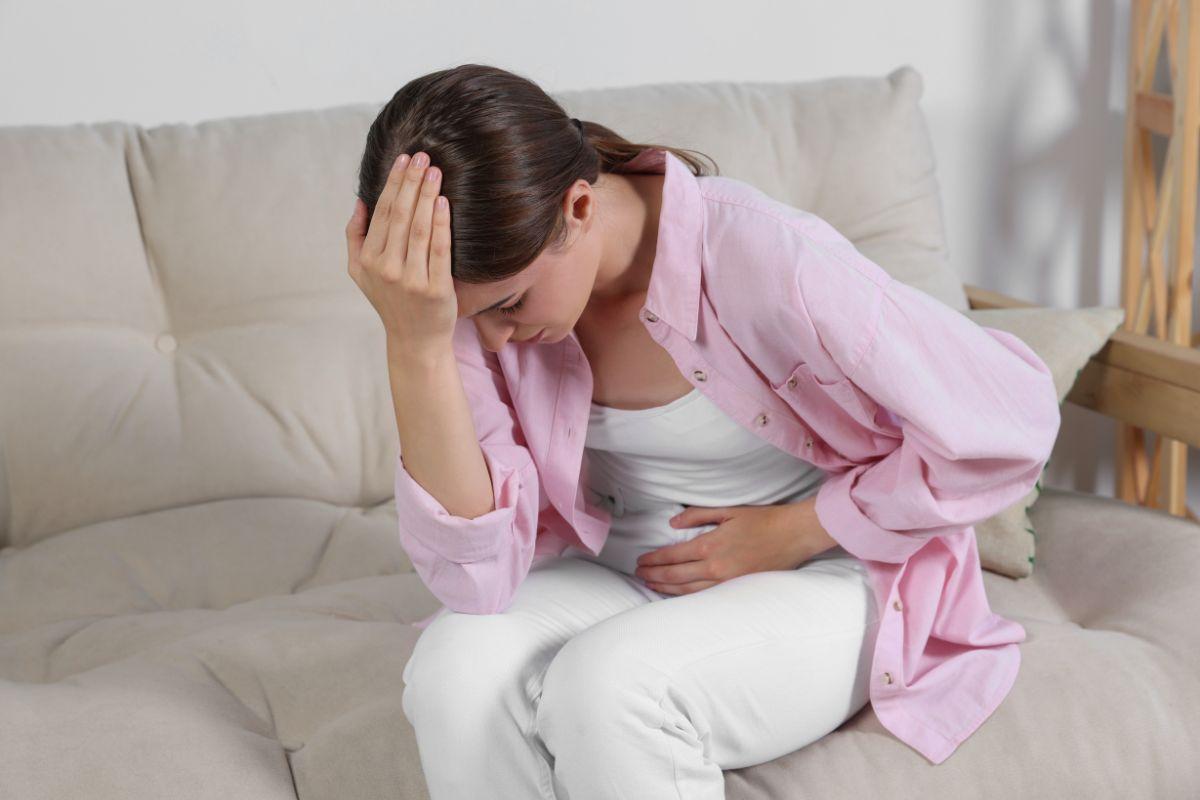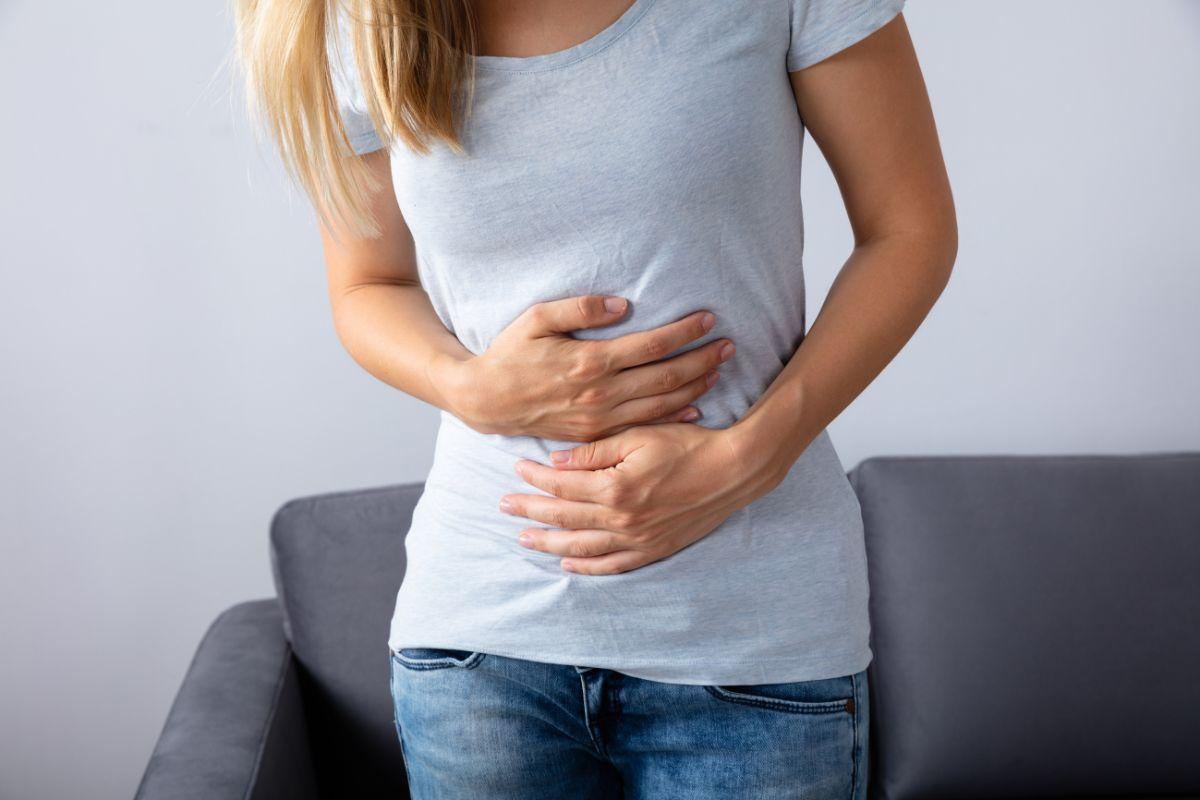
Mild cramping in the setting of menstruation is common since it is during this time that there is increased secretion of prostaglandins in the uterus. Prostaglandins are chemicals in the body that trigger pain and inflammation. As a result, the myometrium, the muscular layer of the uterine wall, contracts, which a menstruating woman feels as cramping.
While cramping is not uncommon during menstruation, it should respond easily to over-the-counter pain medications. However, as Doctify-rated gynaecologist Dr. Neelima Dixit says, when the pain becomes disabling and prevents the patient from doing productive work or completing activities of daily living, or if menstrual bleeding takes longer than usual, or if the period pain is accompanied by other symptoms such as dizziness, nausea, and heavy bleeding, it is important to consult their GP or a gynaecologist, as it could indicate more serious conditions such as endometriosis, adenomyosis or fibroids.
What does “normal” period pain usually feel like?
Cramping in the lower abdomen often begins just before or during the first days of bleeding. Normally, period pain, which is often felt in the lower part of the abdomen before or during the bleeding period in a woman’s menstrual cycle, is mild, occasional, and transient. In addition to that, it is expected to be relieved by oral non-steroidal anti-inflammatory drugs (NSAIDs) such as ibuprofen.
Women should be informed that persistent or worsening period pain or cramping should prompt them to schedule a consultation with a doctor who can properly assess their condition.
Pain that improves with simple measures such as rest or over-the-counter pain relief is typically considered normal. Likewise, symptoms that do not interfere significantly with daily life are usually part of normal menstrual discomfort.
When does period pain suggest something more serious?
Pain that worsens over time rather than staying consistent can indicate that something more serious may be occurring.
Dr. Nadira Awal points out that period pain may be indicative of a serious gynaecologic disorder and warrants medical attention if pain prevents the patient from attending school or going to work, if pain relievers are not enough to alleviate the pain, if pain persists throughout the entire bleeding period or even after, if the pain disrupts the patient’s sleep, and if the patient notes other accompanying symptoms such as nausea, vomiting, pain during sexual intercourse, irregular periods, and passage of large blood clots.
Pain that lasts beyond the first few days of the period may also signal a problem. Likewise, pain that interferes with work, school, or sleep should be evaluated by a doctor. Another warning sign is pain that does not respond to usual pain relief.
Could it be endometriosis?
Endometriosis can cause inflammation and significant pelvic pain.
Endometriosis, a chronic gynecologic condition wherein tissues that resemble that of the endometrium, or the inner lining of the uterus, grow outside the uterine cavity, affects approximately 15% of reproductive age women. Factors that are said to increase one’s risk of developing this disease include increasing age, early menarche, short cycle interval, and having relatives with a history of endometriosis.
The pathophysiology of endometriosis is quite unclear. However, information available show that the development of this disease may be due to genetic factors, hormonal changes, immune abnormalities, and even environmental factors. In the setting of this disease, there is increased production of prostaglandins in the abdomen, triggering abdominal pain. Other symptoms include bloating, pain during sex, or pelvic pain.
The problem with endometriosis is that, in many patients, it may not present with any symptom. This makes it harder for clinicians to detect the disease and start treatment in its early stages.
Symptoms such as pain during sex, bowel changes, or pain outside of periods may raise suspicion of endometriosis. Unfortunately, diagnosis is often delayed because symptoms may be subtle or mistaken for normal menstrual discomfort.
Could fibroids be responsible for severe cramps?
Fibroids can also cause severe menstrual cramps.
Uterine fibroids are also known as leiomyomas. These are benign masses that affect the myometrium, the muscular layer of the uterus. It is one of the most common tumors in women worldwide, with women between the ages of 35 to 39 said to be at higher risk of developing this disease.
The development of these tumors is attributed to estrogen, a hormone that plays an important part in the menstrual cycle. Cases wherein the patient has higher exposure to estrogen, as in the case of early menarche, late menopause, and even obesity, is said to promote the development of fibroids.
Often, this disease presents with extremely heavy bleeding, severe pain, or abdominal cramping or a sensation of pressure in the pelvic region. In those patients who are asymptomatic, however, it is usually detected when they undergo tests to determine the cause of infertility.
Heavy bleeding alongside pain may be a sign of fibroids. Pelvic pressure or bloating in addition to cramping may also occur.
What are the red flag symptoms that need urgent review?
Red flag symptoms that women should watch out for include abnormal bleeding, passage of large clots, pelvic pain, fever, or fatigue.
Sudden severe pelvic pain should be taken seriously and assessed promptly. Fever or signs of infection may indicate an underlying condition that requires urgent care. Pain associated with fainting or severe weakness should also prompt immediate medical evaluation.
How is persistent period pain assessed by a clinician?
The value of a thorough patient history in medicine is often underestimated. However, the truth is that a detailed history that covers the quality, radiation, severity, and timing of the period pain, as well as the alleviating and triggering factors could help the clinician narrow down the possible differentials, hence permitting faster diagnosis and management of the patient.
A GP can conduct a thorough examination of the pelvic area to search for any abnormalities. The pelvic examination shall involve not just the internal and external genitalia, but also, the urethra, bladder, perineum, anus, and/or rectum. This permits detection of any pathologies that may affect the aforementioned regions.
In women with period pain, the imaging tests often requested by physicians include magnetic resonance imaging (which is best for viewing soft tissues) and ultrasound (either transrectal or transvaginal).
Abnormal findings in the physical examination and in imaging should prompt the GP to refer the patient to a gynaecologist for further assessment.
Referral to a specialist is appropriate when symptoms persist, worsen, or when underlying conditions are suspected.
When should you see a doctor about period pain?
Period pain should not be debilitating. While mild and occasional cramping during menstruation is common, pain that becomes more intense, lasts longer, or appears alongside other symptoms should be evaluated by a healthcare professional.
Symptoms such as fatigue, painful bowel movements, painful urination, or pelvic discomfort that interferes with work or everyday activities should prompt a consultation with a gynaecologist. Early assessment can help identify underlying conditions and ensure appropriate treatment.
Finding the right specialist can sometimes feel overwhelming, especially when symptoms are causing concern. Doctify makes this process simpler by allowing patients to search for highly rated gynaecologists, read verified patient reviews, and book consultations with trusted specialists in their area. This helps patients access timely care and make more informed decisions about their health.
Find the right specialist for you. Doctify uses verified reviews so you can make the best decision for your healthcare.

Feel free to consult a gynaecologist through Doctify for personalised advice whenever you want, we will be happy to help you! Find the best gynaecologyists in the United Kingdom or search for the best specialists globally:
- Gynaecologists in the United Arab Emirates
- Gynaecologists in Germany
- Gynaecologists in Austria
- Gynaecologists in Ireland
- Gynaecologists in Australia
Medically Reviewed
Last reviewed on 03/03/2026