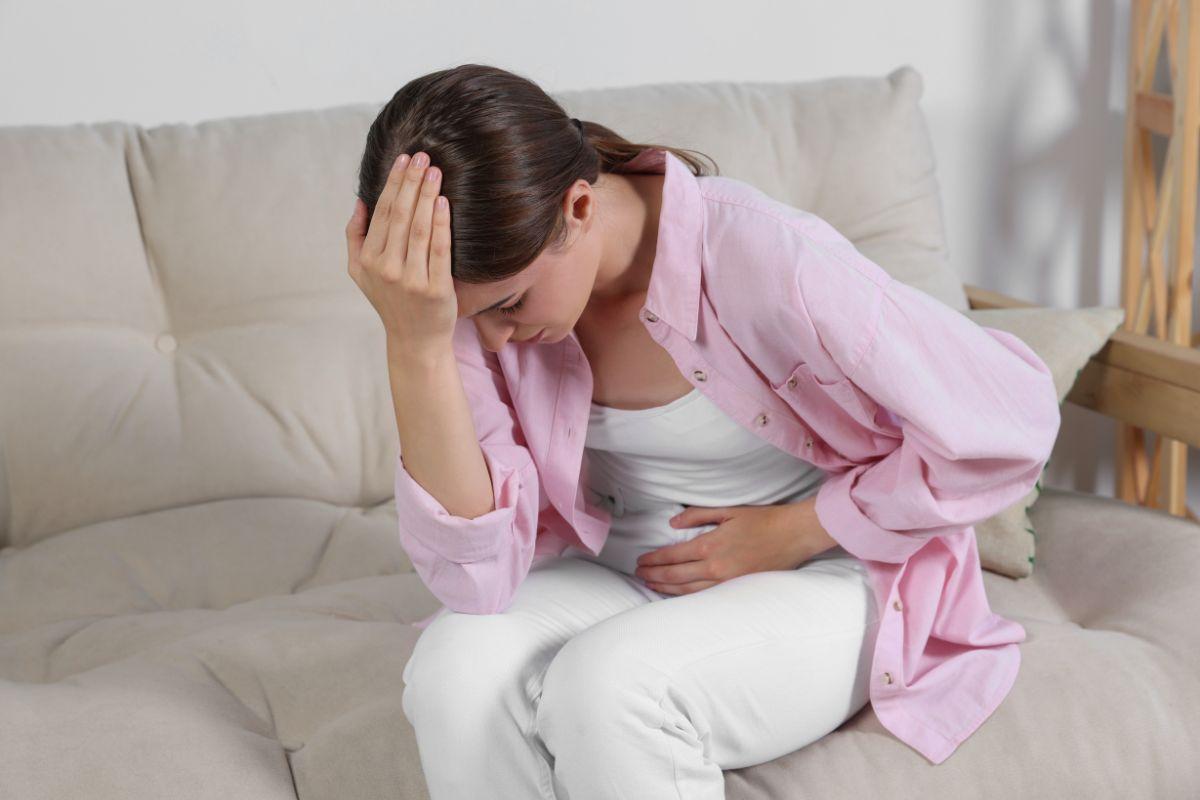
Often, cycle changes are linked to stressful periods in life because stress elevated the cortisol and adrenaline levels producing alterations in the menstrual cycle. It can cause a temporary disruption in the cycle, but it is common. In this article you will learn how stress can have a big impact on your menstrual cycle and what to do in those cases. Doctify has excellent gynaecologists that are willing to help you if you ever experience it.
How does stress influence your menstrual cycle hormonally?
Stress influences your menstrual cycle in a very simple way. When you feel stressed, cortisol and adrenaline levels start to rise, leading to a disruption of the hypothalamic-pituitary-adrenal (HPA) axis, and resulting in inhibiting the hormones needed for ovulation, as the body prioritizes survival over reproduction.
What period changes are commonly linked to stress?
Stress is linked to a hormonal imbalance in the women’s body, which can lead to several period changes. But, among the most common changes are:
- Delayed or missed periods (amenorrhea)
- Lighter or heavier flow than usual
- Spotting between cycles
- Worsening PMS symptoms
Why does stress sometimes stop ovulation altogether?
When faced with a stressor, the body prioritises survival over reproduction. This is since the body enters in an alert/survival mode and shuts down non-essential functions like ovulation and libido to preserve energy for survival. Functional hypothalamic amenorrhoea (FHA) in stressful situations is a reversible cessation of menstruation caused by a disruption of the Hypothalamic-Pituitary-Ovarian (HPO) axis due to high cortisol and adrenaline. This is usually reversible because once the stressor stimuli goes away, the disruption of the HPO axis will go away as well.
When should stress-related cycle changes be checked by a clinician?
If you experience any of the following symptoms is fundamental for you to get checked by a clinician, in order to rule out a stress occasioned disrupted cycle:
- Periods absent for several months
- Very heavy or prolonged bleeding
- Severe pain or unusual discharge
- Prolonged and strong PMS symptoms
- When symptoms persist despite reduced stress
Can long-term stress affect fertility or long-term health?
Scientists have shown that chronic stress can influence ovulation patterns because of the disruption of the hypothalamic-pituitary-adrenal (HPA) axis. Nowadays, there are more findings which show the relationship between stress, sleep, and hormonal balance. Chronic stress increases cortisol and reduces sleep quality, as a result poor sleep alters the normal hormonal balance. Early intervention prevents ongoing disruption because specialists can treat the hormonal imbalance from the beginning and help you get back to how you were before very quickly.
What simple steps can help stabilise your cycle?
There are many recommendations available that can help you stabilise your menstrual cycle. But, we have some simple steps that can generate change in you very easily:
- Sleep and consistent daily rhythm, adults should sleep between 7-8 hours daily.
- A complete and balanced nutrition is fundamental, including fruits, vegetables, proteins, grains, carbohydrates in your meals, and avoiding extreme dieting.
- Moderate exercise instead of overtraining, minimum of 150 minutes of exercise per week.
- Stress-management strategies that are realistic and sustainable, such as: practicing a sport, reading a book, meditation, among others.
How can specialist support help if periods remain irregular?
Assisting a gynaecologist can be very useful if periods remain irregular, since they can help you in all the process. Assessment typically involves, full body exam, previous medical history, blood tests, and scans if needed. Blood tests or scans may be considered in order to have a more detailed and orientated diagnosis, but it is not always required. It is very important to have personalized advice because every woman’s body is different, therefore each management should be different.
When to seek guidance and where to start
Stress-related period changes are common but should not be ignored if persistent. If experiencing any of these: periods absent for several months, very heavy or prolonged bleeding, severe pain or unusual discharge, prolonged and strong PMS symptoms, or symptoms persisting despite reduced stress, consult with a gynaecologist. Remember, small adjustments can restore balance in many cases, like sleeping and consistent daily rhythm, complete and balanced nutrition, moderate weekly exercise instead of overtraining, and most importantly stress-management strategies. Doctify helps women find experienced gynaecologists, read verified patient reviews, and book professional assessments when menstrual cycle changes need further evaluation.
Find the right specialist for you. Doctify uses verified reviews so you can make the best decision for your healthcare.

Feel free to consult a gynaecologist through Doctify for personalised advice whenever you want, we will be happy to help you! Find the best gynaecologyists in the United Kingdom or search for the best specialists globally:
- Gynaecologists in the United Arab Emirates
- Gynaecologists in Germany
- Gynaecologists in Austria
- Gynaecologists in Ireland
- Gynaecologists in Australia
Medically Reviewed
Last reviewed on 24/02/2026