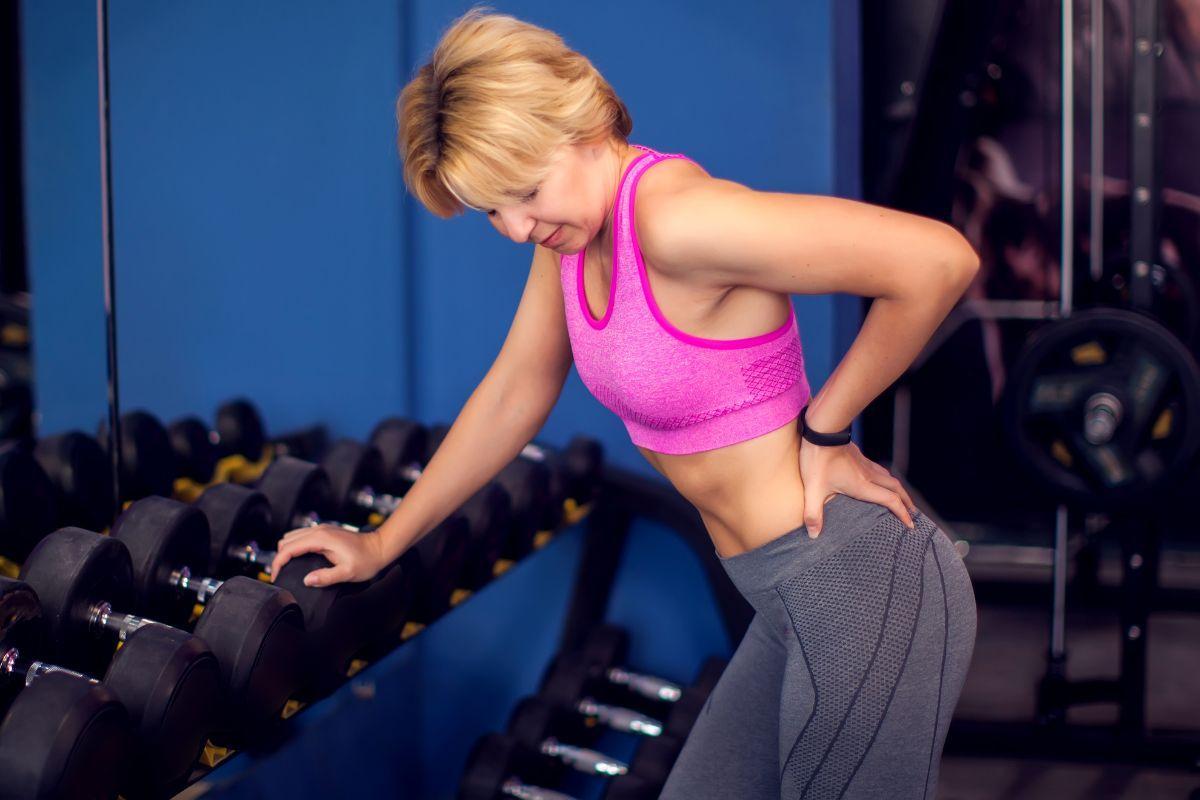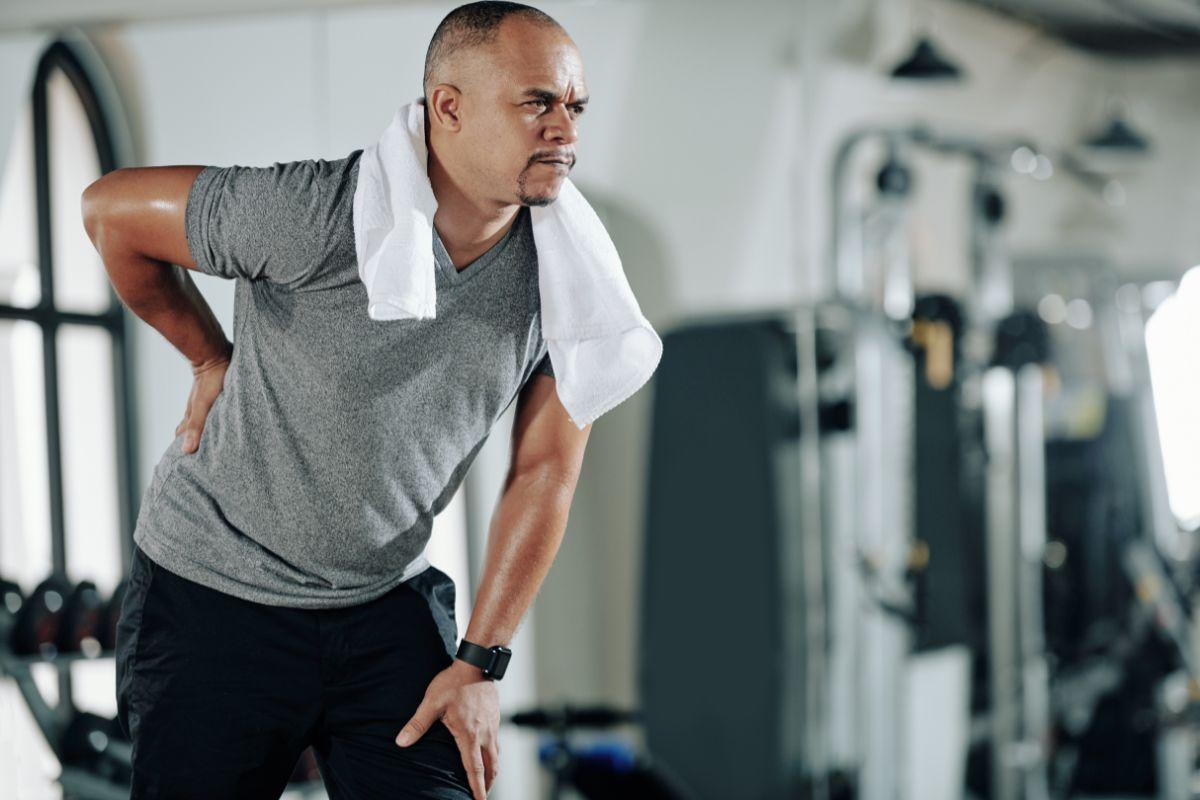
Have you ever experienced back pain after training or more specifically after weightlifting? It might be regular for people to feel back pain followed by weightlifting, but it is not always harmless, sometimes it indicates something more. In this article you will understand the real reasons your back hurts after weightlifting. Doctify offers top rated sports injury specialists that can assist you whenever you need it.
Why does back pain happen after weightlifting in the first place?
Back pain is common in both beginners and experienced lifters because of excessive stress on the lumbar spine, it could be caused by improper techniques, overtraining, or injuries. After training, it is normal to expect post-training soreness (DOMS), but you should learn to differentiate it from injury-related pain.
Post-training soreness (DOMS) is a dull, widespread tightness that appears 24-72 hours posterior to exercise, as a sign that your muscles are adapting to exercise and improves with movement. On the contrary, injury-related pain is sharp and localized, often appearing immediately and lasting more than 3 days and worsening with movement.
Are you falling into common technique traps?
Many people, when starting to lift weights, get carried away by the excitement of being beginners and end up making common technique traps. Some of those common technique traps are:
- Loss of neutral spine under load
- Rounding during deadlifts or flexion-based lifts
- Poor hip hinge mechanics
Small technique errors accumulate over time and can cause an unintended injury. It is very important to be aware of these common technique traps in order to prevent an injury in the future.
Is the real problem how you’re managing load?
On occasions, people experience back pain secondary to common errors in managing load when training. Some of those common errors in managing load are:
- Sudden jumps in weight or volume
- Training to fatigue too frequently
- Inadequate recovery between heavy sessions
Even progressive overload must still be controlled and guided by a professional or managed with extreme caution, because an inappropriate use of weight lifting can cause an unwanted injury.
How does core stability really protect your spine?
Clinically, the word “core” means the lumbopelvic-hips complex, including abdomen, back, hips, and pelvic floor. Some of its most important functions are to stabilise the spine and pelvis, manage intra-abdominal pressure, and force transfer from the upper to lower body and vice versa. Bracing and intra-abdominal pressure can help you to maintain an excellent core.
Bracing is the act of contracting all core muscles to stabilize the spine and creating a rigid “corset”. Similar to the intra-abdominal pressure, which is the resulting pressure in the abdominal cavity (like an internal belt) that supports the spine and reduces disc compression. Over-relying on belts without proper control can backfire you, since it requires professional help.
When is back pain a sign of disc or nerve irritation?
Back pain can also be a sign of disc or nerve irritation. So it is important that you are aware of these red flags whenever experiencing back pain:
- Pain spreading into the glute or leg
- Numbness, tingling, burning, or weakness of one extremity.
Nerve-related symptoms require professional medical assessment to early identify and manage the sometimes critical causes, such as compressed nerves, back injuries, tumors, diabetes, among others.
Should you stop lifting completely if your back hurts?
When experiencing back pain after training the best you can do is analyse the situation, since it can be caused by post-training soreness or by an injury-related pain. Differentiating them is key. Complete rest is rarely the best solution because movement can help us differentiate one from another. Movement in post-training soreness will improve pain, while movement in injury-related pain will exacerbate pain.
In other occasions, the back pain can be caused by problems in managing load. When that happens you can modify the load instead of stopping entirely with the help of professionals. A graded return to lifting is fundamental for safely restoring strength, technique, and tissue capacity.
What practical fixes actually protect your spine?
It is very important to be familiar with the best practical fixes that protect your spine when training. Those practical fixes include:
- Reviewing technique with coaching or video analysis
- Reducing load temporarily while improving control
- Strengthening hips and posterior chain
- Programming recovery days intentionally
When should you see a specialist about back pain from lifting?
If you experience any of the following symptoms, please consult a sports injury specialist:
- Pain lasting beyond a few weeks
- Recurrent flare-ups limiting training
- Any red flag symptoms such as weakness or bladder changes
After weightlighting, many people start to feel back pain. The reasons your back hurts can be multiple but it is important to identify the cause. Back pain can be related to post-training soreness (DOMS), injury-related pain, technique traps, managing load, or disc or nerve irritation. Doctify helps patients find trusted sports injury specialists and physiotherapists for expert assessment and structured return-to-training plans.
Find the right specialist for you. Doctify uses verified reviews so you can make the best decision for your healthcare.

Feel free to consult an orthopaedic surgeon through Doctify for personalised advice, we will be happy to help you! Find the best orthopaedic surgeons in the United Kingdom or search for the best specialists globally:
- Orthopaedic surgeons in the United Arab Emirates
- Orthopaedic surgeons in Germany
- Orthopaedic surgeons in Austria
- Orthopaedic surgeons in Ireland
- Orthopaedic surgeons in Australia
Medically Reviewed
Last reviewed on 23/02/2026