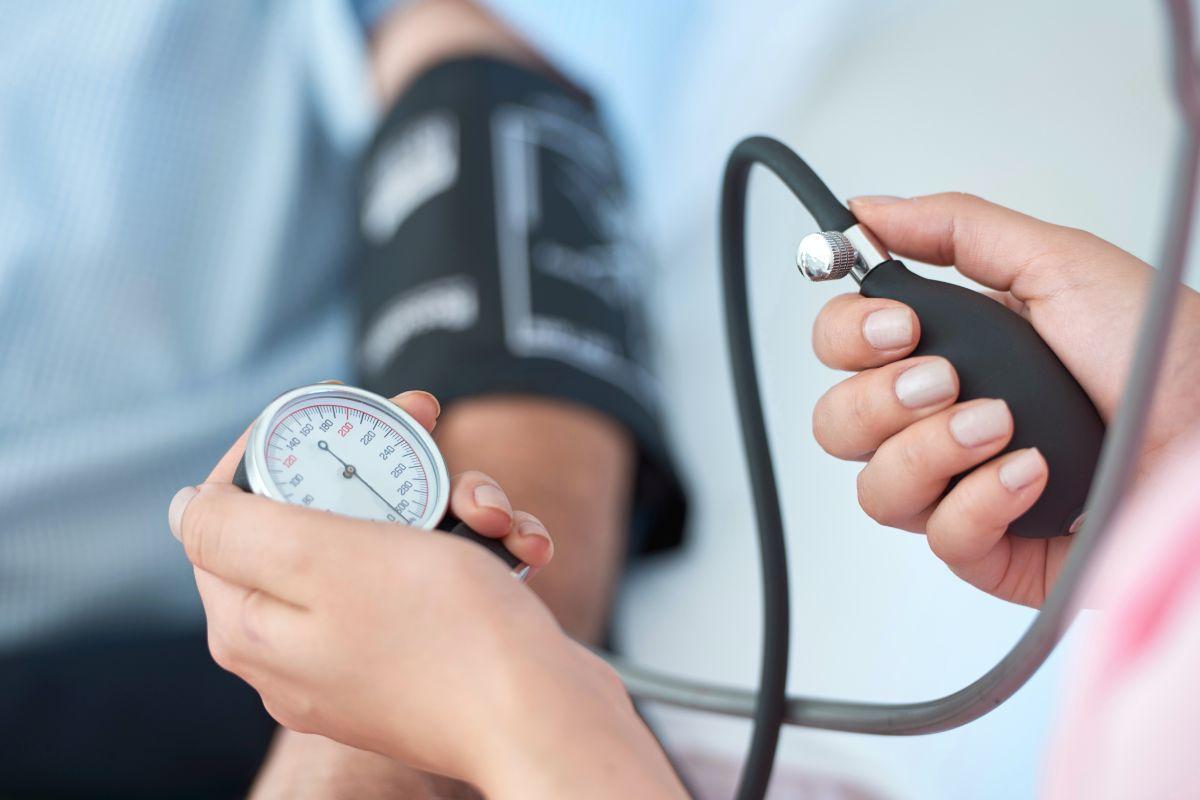
High blood pressure often develops without noticeable symptoms, which is why it is sometimes called a “silent” risk factor. Many people feel completely well, even when their readings are constantly above normal.
One of the easiest ways to unwittingly increase our blood pressure is through everyday food choices, especially through added salt in common meals and snacks. Cardiologists focus on salt due to it being a major driver of high blood pressure and something we can control through modifications in our diet. Small reductions can lead to meaningful differences over long periods of time.
Doctify can help you find certified Cardiologists to tailor a treatment plan that works with you to lower your blood pressure and improve your heart health.
How salt affects blood pressure
Sodium (found in salt) helps regulate the balance of fluids in the body. When you take in more sodium than your body needs, it encourages fluid to be retained. That extra fluid increases the volume of the blood moving through your vessels, which can push the blood pressure up.
Some people are also more “salt-sensitive” than others, meaning their blood pressure rises to a greater degree when they consume more sodium. Genetics, age, kidney function and other underlying health conditions can influence this.
Why hidden salt is easy to miss
Most people are aware of the salt that they add directly to their meals, but the bigger issue is the salt that is already in the foods.
Doctify-rated Endocrinologist Dr Piya Sen Gupta highlights “there can be surprising or hidden sources of salt beyond simply adding table salt.” Many packaged and takeaway foods have higher levels of sodium to add “flavour”, preserve the meals for longer and add texture. In some cases, too, this extra sodium does not end up making the meal taste obviously salty.
This is why someone can feel as though they are “not eating much salt” whilst still eating more than the recommended daily limit.
Common foods with surprisingly high salt levels
Bread and baked goods
Bread is a major player in raising your blood pressure because it is eaten so frequently, often multiple times a day. It is also not typically seen as having a great deal of salt, though each serving contains a modest amount that adds up quickly. Dr Sen Gupta specifically lists “bread” among other high-salt foods that people do not always expect.
Sauces and condiments
Condiments are one of the fastest ways to accumulate sodium without noticing. Ketchup, soy sauce and salad dressings are common culprits, with one tablespoon of each accounting for a large amount of the recommended daily salt allowance. Dr Sen Gupta also lists “stock cubes and gravy” as common high-salt items. These can be especially salty when combined with processed foods or used generously.
Processed meats
Bacon, ham, sausages, and deli meats are typically high in sodium due to the curing process and the addition of preservatives. They can very easily be consumed in high volumes, especially in sandwiches, breakfast meals, and ready-made salads.
Ready Meals and takeaway foods
Takeaway and convenience meals such as pizza and curries often contain very high levels of sodium. Dr Sen Gupta notes that when it comes to the daily recommended salt intake that “A single takeaway meal … can easily exceed this daily limit” and also points out that having a greater portion size and adding sauces makes it even worse.
Ready meals can also be surprisingly salty. Dr Gupta explains that “Ready meals, particularly frozen ones … can contribute, as 45% contain at least 2g per serving”. This number is about one-third of the UK daily limit, and represents one meal without adding anything else.
Snacks
Crisps, crackers, and flavoured nuts are common sources of salt, regardless of whether they are “ready salted”, “vinegar flavoured” or not. Both Dr Sen Gupta and Doctify-rated Dietitian Raquel Britzke mention the dangers of potato chips and crisps since they are commonly consumed in higher volumes and have a higher-than-expected salt level.
Drinks and foods that indirectly raise blood pressure
Salt is not the only dietary issue. Many ultra-processed foods are calorie-dense and can lead to weight gain, which is strongly associated with high blood pressure.
Dr Sen Gupta emphasises that “70% of cases of high blood pressure are linked to obesity” and notes that food with high sugar content also plays a part. She includes foods with obvious high levels of sugar, such as biscuits and cakes, but also points out less obvious sources, such as starchy carbohydrates. The broader message is that there are both high levels of salt and sugar in ultra-processed foods, which can further increase your risk.
Drinks matter too. Dr Sen Gupta notes that drinks high in caffeine, such as energy drinks, can raise your blood pressure. Though the mechanisms are different for bingeing versus long-term drinking, alcohol has also been shown to raise blood pressure.
How much salt is too much?
In the UK, the recommended daily intake of salt for an adult is 6 grams per day (about 1 teaspoon). Many people exceed this limit without even realising it, especially when most of their meals come from outside of the home. Even small reductions in how much salt you consume on a daily basis can have a great impact on keeping your blood pressure in a healthy range.
Signs your diet may be affecting your blood pressure
There may be no warning signs when someone has high blood pressure. Some people complain of headaches, feeling flushed or mild swelling, but many have no symptoms at all.
The most reliable cue would be continually high readings when getting your blood pressure checked, whether it be at home, at a pharmacy or during routine appointments.
Practical ways to cut down hidden salt
Reading food labels
Food labels may have “salt” or “sodium” written in the ingredients list or nutrition facts. If sodium is listed, it can look deceptively low unless you do the manual conversions in addition to the portion sizes being smaller than what people would typically eat. Comparing brands can make a big difference because the salt content in some everyday products may wildly vary.
Simple food swaps
Try fresh meats instead of processed ones. Instead of salt or sauces, use herbs, spices, lemons, vinegar, garlic, and pepper to flavour your meals. This reduces the sodium content whilst still keeping it tasty.
Some people may also benefit from increasing potassium through foods. Both Dr Sen Gupta and Raquel mention the benefits of potassium to help regulate blood pressure and list foods like bananas, spinach, avocado, fish, kiwis, nuts, beans, and broccoli as some natural sources. If you have kidney problems or take certain medications, speak to a doctor before increasing the amount of potassium you eat.
Cooking habits
It is not only what you eat, but also habits around eating, including how often you get takeaway or ready meals. Some other practical steps you can take to reduce your sodium content are cooking more at home, limiting sauces, a nd tasting before adding more salt.
How lowering salt supports heart health
Reducing salt can improve blood pressure control and reduce the long-term risk of suffering a heart attack or stroke. These diet changes work hand in hand with medication and other lifestyle changes to support weight management, kidney health, and long-term mortality as well.
When to speak to a doctor
If your blood pressure remains high despite lifestyle changes, or you have a family history of hypertension or heart disease, it is worth speaking to your provider. If your blood pressure readings are consistently above 140/90 mmHg, Dr Sen Gupta advises seeing a physician to confirm any diagnosis and check for potential underlying causes.
GPs and cardiologists can look at your overall risk profile, review your medication and advise on realistic changes that fit your lifestyle to help you manage your blood pressure.
Final takeaway
Hidden salt is common in everyday foods, and it is easy to overlook, especially in bread, sauces, ready meals, takeaway and snacks. The good news is that small, consistent changes can significantly improve your blood pressure over time.
Docitify can help you find trusted cardiologists, GPs and dietitians if you are looking for personalised support.
Find the right specialist for you. Doctify uses verified reviews so you can make the best decision for your healthcare.

Find the best cardiologists in the United Kingdom, or search for trusted experts globally:
- Cardiologists in Ireland
- Cardiologists in Australia
- Cardiologists in the United Arab Emirates
- Cardiologists in Germany
Medically Reviewed
Last reviewed on 15/12/2025