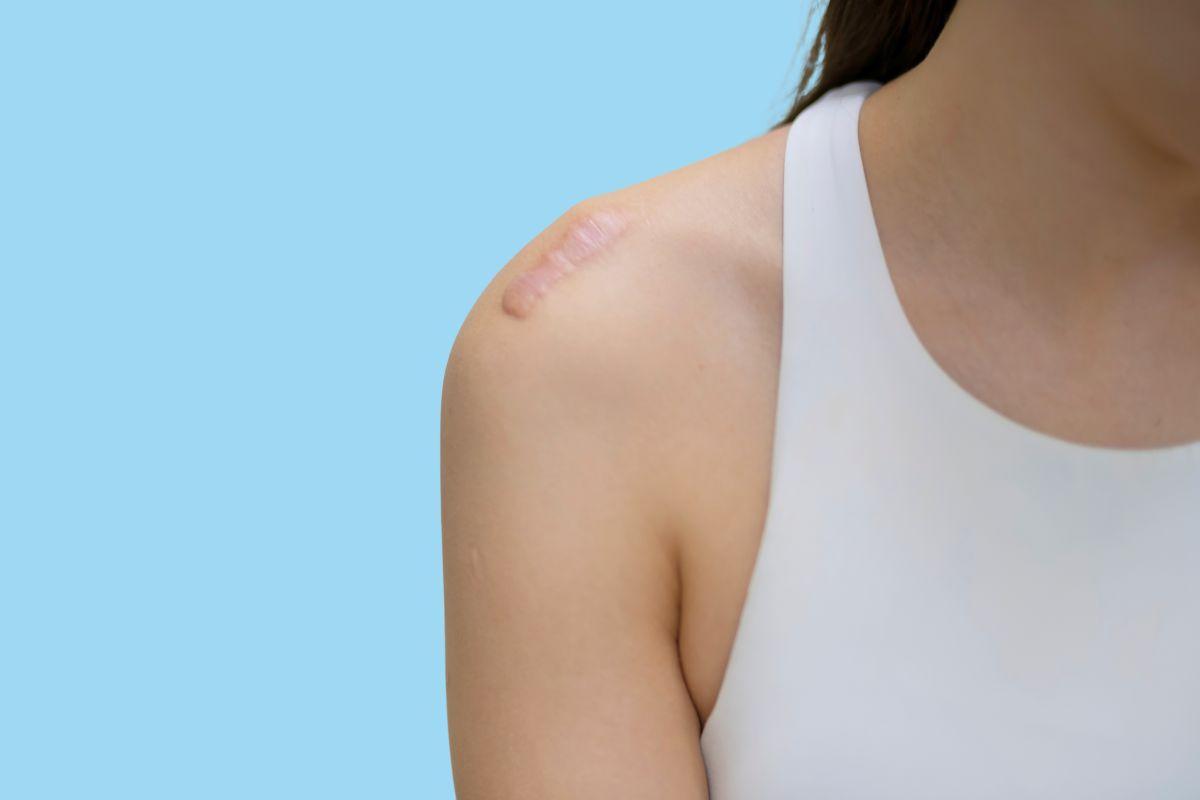
We know that keloids can be frustrating, especially when they grow beyond the size of the original injury. Keloids are raised, firm, and often lumpy scars that grow beyond the boundary of an initial skin injury. Nevertheless, there are effective ways to prevent and manage them with early care and dermatologist guidance. Doctify helps patients find reviewed dermatologists when they need specialist advice.
What are keloids and why do they happen?
Keloids are overgrown scars that continue to build tissue even after a wound has healed. They are not harmful, but they can be uncomfortable, itchy, or affect confidence. They are caused by an overgrowth of scar tissue made of collagen, which forms as the skin heals from wounds like cuts, burns, acne, or piercings.
Keloids and hypertrophic scars differ primarily in their growth pattern. Hypertrophic scars stay within the original wound’s boundaries and may shrink over time, while keloids grow beyond the original injury and continue to enlarge, often persisting indefinitely.
Who is at higher risk of developing keloids?
Some people have a higher risk of developing keloids, those high risk factors include:
- Family history or genetic tendency.
- Older adults (skin heals slower)
- Darker skin tones (higher rates in people of African, Asian, and Hispanic backgrounds).
- Certain body areas prone to keloids: chest, shoulders, upper back, earlobes, jawline.
Triggers that commonly lead to keloids
As well, there are triggers that lead to keloids, such as:
- Piercings, especially ears and cartilage.
- Cuts, burns, acne, tattoos, and surgical incisions.
- Even small injuries like insect bites or shaving cuts in some people.
How to prevent keloids before they form
Here is a step-by-step guide on how to prevent keloid formation.
a. Before piercings, tattoos, or procedures
- Discuss risks with a dermatologist if you’ve had keloids before.
- Consider alternative piercing sites or avoiding piercings altogether if you’re at high risk.
b. After wounds or procedures
- Keep the area clean to prevent infection (infections increase scar risk).
- Minimise tension on the wound to help it heal smoothly.
- Avoid unnecessary trauma or rubbing while healing.
c. Early at-home prevention tools
- Use silicone gels or silicone sheets to flatten and calm early scars.
- Gentle massage if recommended by a clinician.
- Pressure earrings after earlobe piercings to prevent keloid growth.
Early treatments that work best when started quickly
Below, are some of the early treatment options available:
a. Silicone therapy
- Silicone sheets and gels help soften and flatten scars by creating a semi-occlusive barrier that hydrates the skin, provides gentle pressure, and regulates collagen production.
- Best if used daily and consistently.
b. Steroid injections
- Are a first-line treatment for keloids to reduce their size and flatten them. Also, it reduces itching, firmness, and swelling in early or active keloids.
- Given by dermatologists at regular intervals.
c. Pressure therapy
- Special garments or earrings used to prevent or flatten keloids after piercings or surgery.
d. Cryotherapy (freezing)
- Useful for smaller keloids, often combined with injections for better results.
Treatments for established or larger keloids
Often, combination therapies tend to work best. Options may include: laser therapy (to reduce redness and size), steroid injections (as mentioned above), and surgery (usually paired with silicone and pressure therapy afterwards). Specialised dermatologists will tailor treatment plans to their skin type and previous scars.
When to see a dermatologist
Please contact a dermatologist in any of the following cases:
- If a new scar becomes raised, itchy, or grows beyond the wound.
- If a keloid is painful, affecting movement, or causing cosmetic concern.
- If home treatments haven’t helped after several weeks.
Visible scars can affect confidence and comfort, but don’t worry. Many people have keloids and you haven’t noticed, having keloids is common and nothing to be embarrassed about. Nonetheless if you feel uncomfortable with them, seek help with a dermatologist early, as early treatment often leads to better results.
Specialist care can prevent a small keloid from becoming larger and Doctify can connect you with the best dermatologists.
Conclusion
Keloids are not harmful, but they can be uncomfortable, itchy, or affect confidence. They can be managed effectively with prevention and early treatment. The best early treatment options available are silicone therapy, steroid injections, pressure therapy, and cryotherapy (freezing). We invite you to reach out to a dermatologist if you are unsure what’s causing their scarring. Doctify helps patients find trusted dermatology specialists with verified patient reviews.
Find the right specialist for you. Doctify uses verified reviews so you can make the best decision for your healthcare.

Feel free to consult a dermatologist through Doctify for personalised advice whenever you want, we will be happy to help you! Find the best dermatologist in the United Kingdom or search for the best specialists globally:
- Dermatologist in the United Arab Emirates
- Dermatologist in Germany
- Dermatologist in Austria
- Dermatologist in Ireland
- Dermatology in Australia
Medically Reviewed
Last reviewed on 25/11/2025