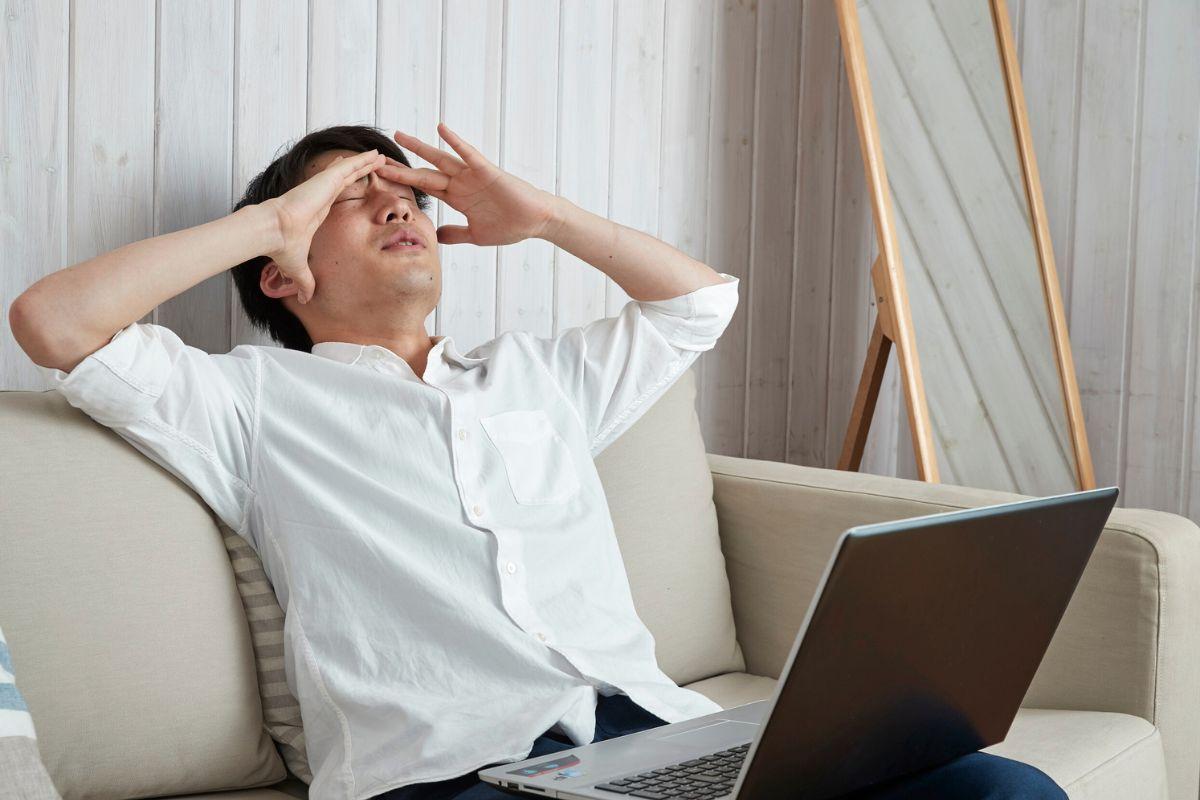
Migraines are often triggered or worsened by sensory overload. This is since people with migraines have hypersensitive brains, for example to excessive light, sound, and smells. Nevertheless, migraine attacks can be calmed with light, sound, and scent strategies. Small environmental changes of light, sound, and scent can reduce discomfort during an attack. These strategies are supportive, not a replacement for medical care. Doctify offers experienced neurologists that can help with strategies and medical care.
A migraine is much more than just a bad headache. It is a long-term genetic neurological condition, which means it relates to the way the brain and nervous system work.
Dr Bazo Raheem, Consultant Neurologist and Headache Specialist
Why light, sound, and smell feel overwhelming during a migraine
As Doctify-rated Neurologist Dr. Bazo Raheem explains, a migraine attack can cause severe, often one-sided headaches, but many people also experience nausea, vomiting, or extreme sensitivity to light, sound, and even smells. The migraine brain processes sensory input differently. The brain of a migraine patient struggles to filter excessive light, sound, smells, and touch, as a result, it overstimulates the nervous system and causes a migraine attack.
Light sensitivity, or photophobia, is an intolerance to light that causes discomfort. Sound sensitivity, or phonophobia, is a reduced tolerance to sound that can cause discomfort or pain. Smell sensitivity, also known as osmophobia, is an intolerance to specific odors, feeling them overwhelming and causing discomfort. Calm surroundings can help shorten or soften an attack since the hypersensitivity of the brain is reduced.
Using light to calm a migraine
Here are some recommendations that can help to calm the migraine attack with the help of light:
A. Reduce brightness
Reducing the brightness can help reduce the attack significantly. During daylight, it can be done by closing the curtains or blinds. Meanwhile, at night, by dimming lights or switching them off completely.
B. Choose gentler light sources
Change the normal lights to a gentler light source. For example, a warm, indirect lighting instead of harsh overhead bulbs. Also, avoid screens or lower screen brightness. We recommend using the night mode in cellphones, computers, and ipads.
C. Creating a dark recovery space
Sometimes, having total darkness is not possible. In those cases we recommend using an eye mask that garantizes you are in a dark environment. Adjusting one room migraine-ready at home is very useful too, whenever you get the migraine attack, you have your things ready.
Managing sound sensitivity during an attack
Below are some tips that will help manage sound sensitivity at the moment of having a migraine attack:
A. Reducing background noise
Reducing background noise is fundamental when having a migraine attack since noise can worsen the attack. The best thing to do is turning off TVs, radios, and notifications. Also, choosing quieter rooms away from traffic or household activity.
B. Using calming sound intentionally
Some people found very useful using calming sounds during the attack. For example, hearing soft white noise or nature sounds at low volume. You can try it and afterwards choose what feels best personally, silence or gentle sounds. Every person is different, it all depends on their personal preferences.
Using scent strategies safely
Incorporating scent strategies when having a migraine attack can be very helpful, here are some examples:
A. Avoiding strong or triggering smells
Strong or triggering smells can exacerbate the migraine attack, such as perfumes, cleaning products, cooking odours, among others. We recommend to avoid them during the attack and to open windows briefly for fresh air, if tolerated.
B. Soothing scents that some people find helpful
Some people find using soothing scents, like light and familiar scents such as lavender or chamomile helpful. You can try this out, incorporating minimal amounts and stopping if symptoms worsen.
C. Important scent safety notes
Be careful with the scents since every person and its sensitivity is different. Essential oils should never be applied directly to skin during a migraine because when applied to the skin, some percentage can get into the blood stream and worsen the migraine. Remember, sensitivity varies, what helps one person may trigger another.
Creating a calm migraine-friendly environment
Creating an environment and having it ready for the moment the migraine attack is very useful, it can be done by:
- Keeping the room cool, quiet, and dark.
- Comfortable positioning for neck and head support.
- Reducing visual clutter and movement.
- Avoid strong scents.
- Stay well hydrated and relaxed.
Also, it is important to not rely only on lifestyle changes if they are not enough modern treatments can make a big difference.
How a neurologist can help personalise migraine care
The first and most important step is to see a medical professional who can confirm whether the headaches are migraine or another condition. Once the diagnosis is clear, there are many strategies that can help reduce the frequency and severity of attacks, such as: identifying individual triggers and sensory sensitivities, reviewing treatment options alongside lifestyle strategies, and long-term management and prevention support.
Final takeaway
Migraines heighten sensitivity to light, sound, and smell. Simple environmental adjustments can meaningfully reduce discomfort, such as reducing lightning, using calm sounds, avoiding strong scents or smells, among others. But, if migraines are interfering with your life, speak to a specialist. Effective help is available, and the right treatment plan can make a real difference. Ongoing or worsening migraines can be discussed with a qualified specialist via platforms like Doctify.
Find the right specialist for you. Doctify uses verified reviews so you can make the best decision for your healthcare.

Feel free to consult a cardiologist through Doctify for personalised advice whenever you want, we will be happy to help you! Find the best neurologist in the United Kingdom or search for the best specialists globally:
- Neurologist in the United Arab Emirates
- Neurologist in Germany
- Neurologist in Austria
- Neurologist in Ireland
- Neurology in Australia
Medically Reviewed
Last reviewed on 06/01/2025