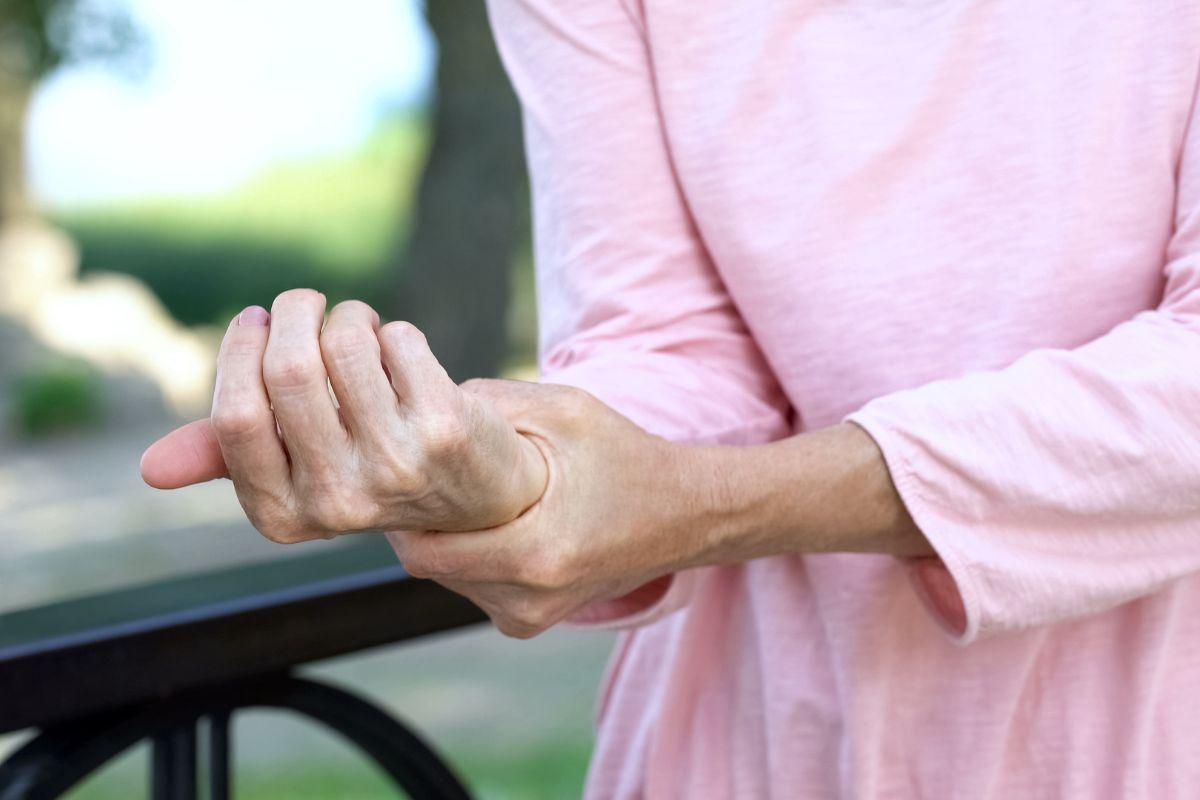
Women often ask whether Parkinson’s disease looks the same in women as it does in men. The short answer is not always.
Early signs can be subtle and are sometimes mistaken for other health changes, including menopause, stress, or fatigue. Because of this, Parkinson’s disease may occasionally be recognised later than it should be.
Understanding how symptoms can differ between men and women can help people recognise potential warning signs and know when it may be time to seek specialist advice.
How does Parkinson’s disease affect women differently from men?
Parkinson’s disease can present differently in women compared with men.
Motor symptoms such as tremor, stiffness and slowness of movement occur in both. However, women are more likely to present with tremor as an early feature, whereas men more often develop gait and balance difficulties earlier in the disease course.
Women also frequently experience a greater burden of non-motor symptoms, including:
- Pain
- Fatigue
- Anxiety
- Depression
- Sleep disturbance
- Constipation
These non-motor features can have a significant impact on day-to-day functioning and quality of life, and in some women they may be more prominent than the visible movement symptoms.
From a cognitive perspective, women tend to have a lower risk of early dementia. However, emotional symptoms and reduced quality of life related to non-motor features may be more pronounced.
Another important factor is timing. Parkinson’s disease in women often begins around the stage of life when menopause is also taking place.
Because of this overlap, early symptoms can be subtle and easily misattributed. A mild tremor may be mistaken for anxiety or stress, while poor sleep, low mood, fatigue or cognitive “fog” may be attributed to menopausal changes or ageing.
Because of this overlap, early symptoms can be subtle and easily misattributed. A mild tremor may be mistaken for anxiety or stress, while poor sleep, low mood, fatigue or cognitive “fog” may be attributed to menopausal changes or ageing.
Many women in midlife are also experiencing symptoms linked to perimenopause or menopause, such as sleep disturbance, mood changes, fatigue, or problems with concentration. Because some of these symptoms overlap with the non-motor features of Parkinson’s disease, it can sometimes take longer for the neurological cause to be recognised.
What are the early symptoms of Parkinson’s disease in women?
Early warning signs may be motor, non-motor, or a combination of both. Symptoms typically develop gradually over months.
Early motor symptoms may include:
- A mild tremor in one hand
- Stiffness
- Slowness of movement
- Reduced arm swing when walking
- Changes in handwriting becoming smaller or less fluid
- Unexplained shoulder or neck pain
Early non-motor symptoms may include:
- Loss of smell
- Constipation
- Poor sleep
- Anxiety
- Low mood
- Persistent fatigue
Non-motor symptoms can sometimes appear years before movement changes become noticeable.
If symptoms are progressive, predominantly one-sided, or beginning to affect daily activities, neurological assessment is advised.
At what age do women typically develop Parkinson’s disease?
Women tend to develop Parkinson’s disease slightly later than men, usually by two to three years.
The average age of diagnosis in women is in the late 50s to 60s, although younger-onset Parkinson’s disease can occur.
In some cases, early symptoms may be subtle or non-motor in nature and may initially be mistaken for other health issues such as:
- Stress
- Hormonal changes
- Musculoskeletal problems
Earlier diagnosis allows for earlier treatment, education and lifestyle adjustments tailored to the individual. This can positively influence long-term wellbeing and symptom management.
Does Parkinson’s disease progress differently or faster in women?
Overall, Parkinson’s disease often progresses slightly more slowly in women, particularly in relation to cognitive decline.
However, women may experience a higher burden of non-motor symptoms, which can significantly affect daily life and overall wellbeing.
Progression varies widely between individuals and depends on factors such as:
- Age at onset
- Physical activity
- General health
- Access to specialist care
- Timely treatment adjustments
Every person with Parkinson’s disease experiences the condition differently. Early assessment by a neurologist experienced in managing Parkinson’s disease is important, and regular follow-up enables proactive symptom management and supports quality of life.
What conditions can be mistaken for Parkinson’s disease in women?
Several conditions can mimic Parkinson’s disease, particularly in women. These include:
- Essential tremor
- Anxiety-related tremor
- Arthritis or frozen shoulder
- Depression
- Medication side effects
- Thyroid disorders
- Other neurological conditions
Musculoskeletal pain or fatigue may sometimes mask early Parkinson’s symptoms.
Because management differs significantly between these conditions, assessment by an experienced neurologist is important to ensure an accurate diagnosis and appropriate treatment plan.
When should a woman see a neurologist about possible Parkinson’s symptoms?
A woman should seek neurological assessment if symptoms are:
- Persistent
- Progressive
- Predominantly one-sided
- Beginning to interfere with daily activities such as walking, writing, work or sleep
Early symptoms can sometimes be overlooked because they are subtle and non-specific, and may be attributed to menopause, thyroid problems, anxiety or the normal ageing process.
If symptoms feel persistent, progressive or simply “not quite right”, it is sensible to seek specialist advice.
Early specialist assessment helps confirm or exclude Parkinson’s disease, provides reassurance where appropriate, and allows timely treatment and support. Even if symptoms are mild, early review can help establish a clinical baseline and guide monitoring over time.
About the author
Dr Kit Wu is an award-winning Consultant Neurologist specialising in movement disorders and general neurology, practising at King’s College Hospital NHS Foundation Trust and The Wellington Hospital. She is a member of the Parkinson’s Disease Centre of Excellence at King’s College Hospital, one of only two centres in the UK recognised for excellence in Parkinson’s care and research. Dr Wu holds a PhD in Neurosciences from Imperial College London and is recognised for her work improving access to healthcare for diverse communities.
Find the right specialist for you. Doctify uses verified reviews so you can make the best decision for your healthcare.