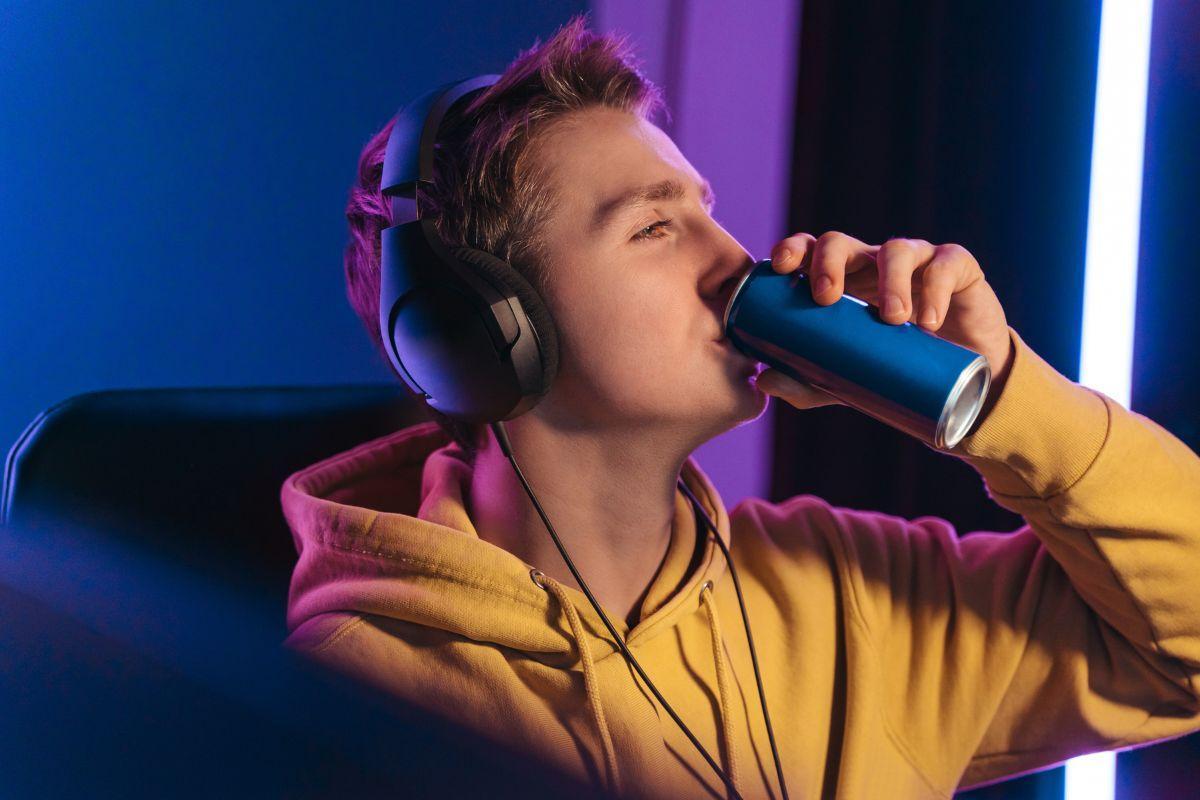
Energy drinks can feel like an instant fix for tiredness, especially during a busy workday, late-night studying or when you have to push through physical fatigue. Within minutes, people who consume can feel more focused and have a surge of alertness.
That effect comes from the effects of caffeine, sugar, and other stimulants on the brain and cardiovascular system. Cardiologists are becoming increasingly concerned due to the impact of energy drinks on raising heart rates and blood pressure, disrupting sleep and placing extra strain on the heart. There is even greater worry when it is consumed either frequently or in large volumes.
Doctify can connect you with vetted cardiologists who can explain the impacts of caffeine on your health and help you navigate the ideal amount that should be consumed for your specific needs.
What’s actually inside an energy drink?
Most energy drinks have a blend of caffeine, sugar or artificial sweeteners, taurine, guarana and B vitamins. While these ingredients are often marketed as “energy-enhancing”, their combined effects can be stronger than what most people expect.
Even within the same drink, caffeine can come from multiple sources, such as added caffeine plus guarana. This additive effect can have a stronger action on the heart and nervous system, making palpitations and anxiety more likely in sensitive individuals. Sandra Cohen, Doctify-rated Registered Nutritional Therapist, explains that energy drinks are often used to override the body’s natural warning.
Most people reach for energy drinks when their body is screaming for rest or nourishment. They’re not a solution, they’re a stimulant band-aid over an underlying energy crisis.
Sandra Cohen, Doctify-rated Registered Nutritional Therapist
How caffeine “tricks” the brain into staying awake
Your brain regularly produces a chemical called adenosine throughout the day. Adenosine builds up as you stay awake and signals tiredness to the brain, encouraging rest and sleep.
Caffeine works by blocking the effects of adenosine. As Sandra Cohen explains, “Energy drinks enhance alertness mainly through caffeine, which blocks adenosine A2A receptors in the brain”.
When adenosine is blocked, the brain does not fully recognise that the body is fatigued. This leads to a temporary alertness regardless of whether your body still needs rest. At the same time, caffeine increases other chemicals that act on the brain, such as dopamine and norepinephrine. These sharpen focus but can also cause jitteriness and raise heart rates.
What is most important is that caffeine does not create real energy but delays your brain’s awareness of tiredness.
The role of sugar: a quick spike that feels like energy
Many energy drinks contain large amounts of sugar, sometimes up to 30 to 50 grams per can. That sugar can cause a very quick rise in your blood glucose level, which can be energising at first. However, this is commonly followed by a strong insulin response, which leads to a drop in blood sugar.
Sandra Cohen highlights the fallout after the consumption of high levels of sugar: “the resulting blood sugar spike creates an artificial sense of energy, followed by a sharp crash, which worsens fatigue and cravings”. That crash and subsequent fatigue, irritability, poor concentration and cravings, encourage people to reach for another energy drink, thereby repeating the cycle.
Sandra goes on to mention that “repeated spikes also increase the risk of insulin resistance and metabolic syndrome,” which speaks to the long-term implications of over-consumption.
Stimulants like taurine and guarana: what they actually do
Energy drinks often contain ingredients that sound energising but do not work in the way people think. Taurine, for example, does not affect the body in the same way that caffeine does.
Sandra Cohen clarifies that “taurine itself does not act as a direct stimulant like caffeine. Instead, it functions more as a neuromodulator, potentially balancing excitatory signals rather than intensifying them”.
Guarana is notable because it contains additional caffeine. When combined with already high levels of caffeine, these ingredients can intensify the stimulation on the nervous system as well as the effects on the cardiovascular system. This is particularly crucial for persons who are more prone to anxiety or palpitations.
Why the “boost” is short-lived
The alertness gained from energy drinks does not last very long. Once caffeine wears off, adenosine’s signalling returns (often more strongly), making fatigue feel even worse than before. At the same time, the effects of falling blood sugar can contribute to low energy and irritability.
This feeling can lead to people seeking more stimulation to keep up the desired effect. Sandra warns of the risks of overuse and dependency on energy drinks, where she states, “that’s like running your car on fumes while flooring the gas—it eventually breaks down.”
Cardiovascular effects to be aware of
Energy drinks can put an additional strain on the heart and its circulation. Common side effects people experience are elevated heart rates, raised blood pressure and palpitations. These risks are greater when energy drinks are taken under conditions of dehydration, high stress, poor sleep or moderate to heavy exercise.
People with underlying heart conditions, high blood pressure or conditions like anxiety may be particularly sensitive to energy drinks, even at lower doses.
Signs your body may not be coping well with energy drinks
Some warning signs that energy drinks may not be agreeing with your body include:
- Jitteriness or shaking
- Fast or irregular heartbeat
- Anxiety or restlessness
- Headaches or indigestion
- Difficulty sleeping
- Rebound fatigue that feels worse than the original tiredness
If these occur, it is a sign to reduce how much you are consuming and consider medical advice. Doctify connects you with qualified cardiologists who can take your full clinical picture into consideration when making recommendations about your caffeine consumption.
Safer ways to stay alert without the crash
Rather than relying on stimulants, a more sustainable way to get energy would be from assisting the body’s natural systems. Easy to implement strategies include:
- Drinking enough water and eating regular, balanced meals
- Incorporating short movement or stretching breaks to reset focus
- Consistent sleep routines and reduced evening screen time
- Choosing a controlled amount of caffeine through tea or coffee instead of energy drinks
Sandra advises that up to 400mg of caffeine per day is safe for most adults, but notes that many people, especially those with anxiety, gut or cardiovascular concerns, may feel better with 200mg or less per day.
When to speak with a gp or cardiologist
It is important to seek medical advice if you experience palpitations, chest discomfort, or extreme fatigue after you consume energy drinks. Reaching out in the event that you think reliance on these drinks may be affecting your sleep or your daily functioning is also recommended. Anyone with known heart conditions should discuss their caffeine intake with a clinician.
Doctify can help you find trusted GPS and cardiologists for personalised and safe guidance.
Final thoughts
Energy drinks do not create energy. They temporarily mask fatigue by blocking the brain’s tiredness signals, often at the expense of sleep, heart health and your metabolism.
As Sandra Cohen puts it: “Real energy comes from nourishment, not just stimulation.” If energy drinks have become a daily habit, your body might be telling you that there is an underlying issue that deserves your attention.
Find a Cardiologist
Find the best cardiologists in the United Kingdom, or search for trusted experts globally:
- Cardiologists in Ireland
- Cardiologists in Australia
- Cardiologists in the United Arab Emirates
- Cardiologists in Germany
Medically Reviewed
Last reviewed on 16/12/2025