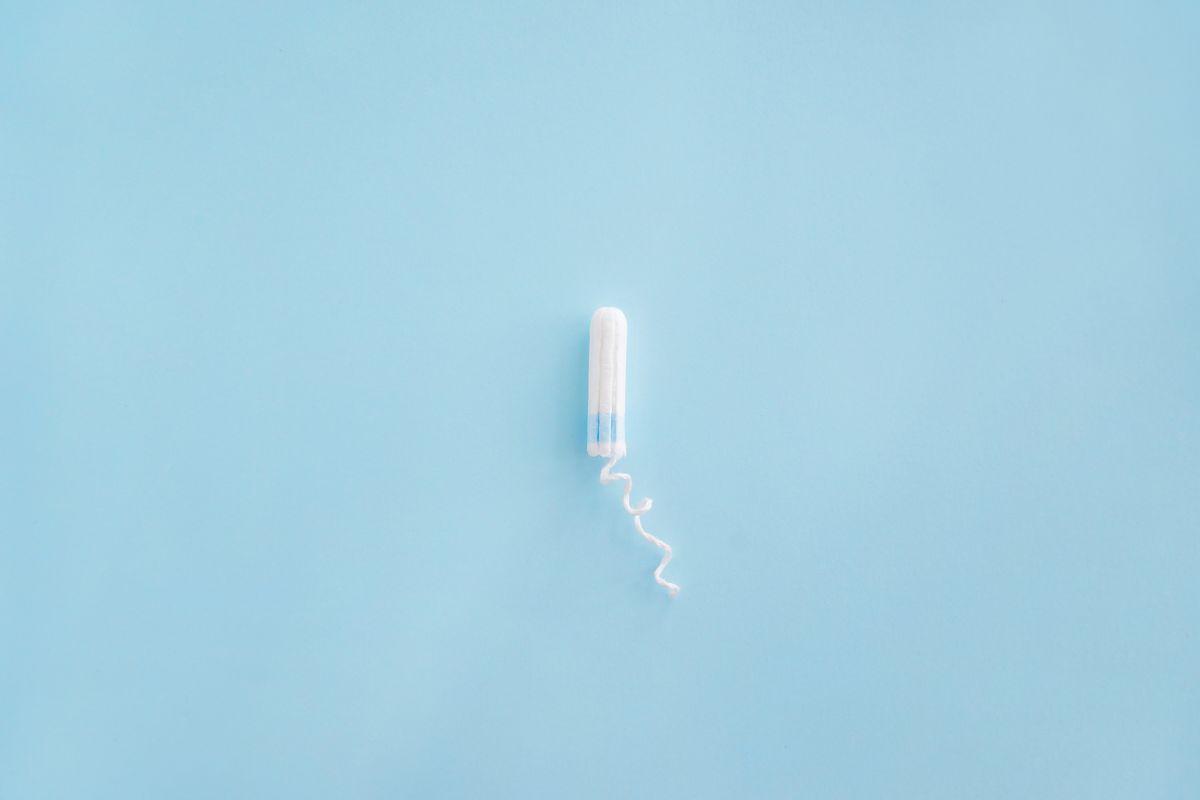
Many people are worried about tampon safety. The common questions are: “can everyone use a tampon?”, and “Can a tampon get lost inside the person?”. These questions are normal and gynaecologists are willing to help you. Doctify has experienced gynaecologists available to advise with all the menstrual-related concerns.
Can a tampon actually get “lost” inside you?
The vagina is an organ in the female reproductive system. It is a fibromuscular tube which extends from the external vagina until the cervix of the uterus. Its walls are collapsed, therefore they are in close contact. A tampon cannot get “lost” as the vagina has a closed end, known as the cervix or neck of the womb. It might shift higher (especially during exercise or sex), but it can’t enter the womb or abdomen.
What happens if a tampon gets stuck or you can’t find the string?
On some occasions, the string of the tampon may be hard to reach, due to positioning, dryness, or the insertion angle. On other occasions, the tampon may get stuck or forgotten and it requires a careful removal.
If any of those happen, please safely check for the tampon using clean hands. First, relax, your vaginal muscles might be tense, making it harder to reach. Second, squat and bear down, this can help push the tampon lower. Lastly, sweep around the vaginal walls gently.
Don’t insert a second tampon, because a second tampon inserted without removing the first will make it harder to find the first one. If the tampon is left in for more than 8–12 hours or you experience any of the symptoms shown below, please stop trying and contact a clinician.
Signs of a forgotten tampon
- Foul-smelling discharge.
- Unusual bleeding or spotting.
- Pelvic discomfort or pressure.
- Persistent vaginal odour despite washing.
- Symptoms of infection, such as fever, chills, or unexplained pain.
Tampon safety basics everyone should know
Here are some safety basic tips every women should always have in mind:
- The tampon should be changed regularly through the day, every 4–8 hours.
- Use the lowest absorbency needed for your flow.
- Avoid overnight use if sleeping longer than 8 hours.
- Correct insertion of the tampon is fundamental for comfort and safety.
- Wash your hands before and after inserting the tampon.
Understanding Toxic Shock Syndrome (TSS)
If the tampon is left for more than 8–12 hours, it may lead to Toxic Shock Syndrome (TSS), a rare but serious condition. It is often associated with growth of bacteria caused by prolonged tampon use, nevertheless there are more causes and can affect anyone. The early symptoms of TSS include: sudden fever, rash, dizziness, or vomiting. Please seek urgent medical advice if you experience any of the symptoms mentioned or if you have a tampon left in for more than 8–12 hours.
Are scented tampons or “period-freshness” products safe?
Scented tampons or “period-fresheness” products usually contain fragrances, which can irritate the vagina, since they alter the normal pH of the vagina. We highly recommend avoiding scented products to protect vaginal flora. Vagina naturally maintains a healthy pH through hormones, vaginal secretions, and their own bacteria flora.
Tampons vs pads vs menstrual cups: safety differences
Tampons
- They are comfortable and safe to use, but might not be so easy to use for everyone.
- It can cause TSS if used for more than 8-12 hours.
Pads
- They are safe, easy, and comfortable to use.
- Don’t cause TSS, but it is not recommended to use longer than 8 hours.
Menstrual cups
- They are safe and comfortable to wear, but sometimes they are not easy to use.
- Might cause TSS if used for more than 8-12 hours.
Menstrual cups create a vacuum seal around the neck of the womb, so falling out is rare, but improper placement, weak pelvic floor or incorrect size may cause slippage. They are eco-friendly and cost effective, have longer wear time compared to tampons and hold more fluid.
Dr Neelima Dixit, Doctify Consultant Gynaecologist and Obstetrician
When to see a gynaecologist
If you experience any of the following, please contact a gynaecologist:
- Suspect of a retained tampon and cannot remove it.
- Symptoms of infection, fever, or severe odour occur.
- Tampon use is consistently painful or difficult.
Don’t worry, gynaecologists are very professional and respectful with these topics.
Period health tips for long-term vaginal wellbeing
Additionally, here are some period health tips for women wanting a long-term vaginal wellbeing:
- Hydration and gentle hygiene practices.
- Avoiding harsh soaps or douching.
- Choosing breathable underwear.
- Consult your GP or doctor if you are:
- Soaking a pad/tampon every 1–2 hours.
- Severe pain, dizziness, or large clots (bigger than a 50P coin).
- Bleeding lasts longer than 7–10 days.
Final thoughts
Most tampon concerns are easy to solve once patients understand how the body works. Gynaecologists can help with any menstrual or vaginal health issues. Doctify helps you find trusted specialists for personalised advice and reassurance.
Find the right specialist for you. Doctify uses verified reviews so you can make the best decision for your healthcare.

Feel free to consult a gynaecologist through Doctify for personalised advice whenever you want, we will be happy to help you! Find the best gynaecologyists in the United Kingdom or search for the best specialists globally:
- Gynaecologists in the United Arab Emirates
- Gynaecologists in Germany
- Gynaecologists in Austria
- Gynaecologists in Ireland
- Gynaecologists in Australia
Medically Reviewed
Last reviewed on 09/12/2025