After a cold, symptoms like a runny nose, sore throat or cough often start to improve gradually. But sinus pressure can feel as though it is hanging around longer than everything else.
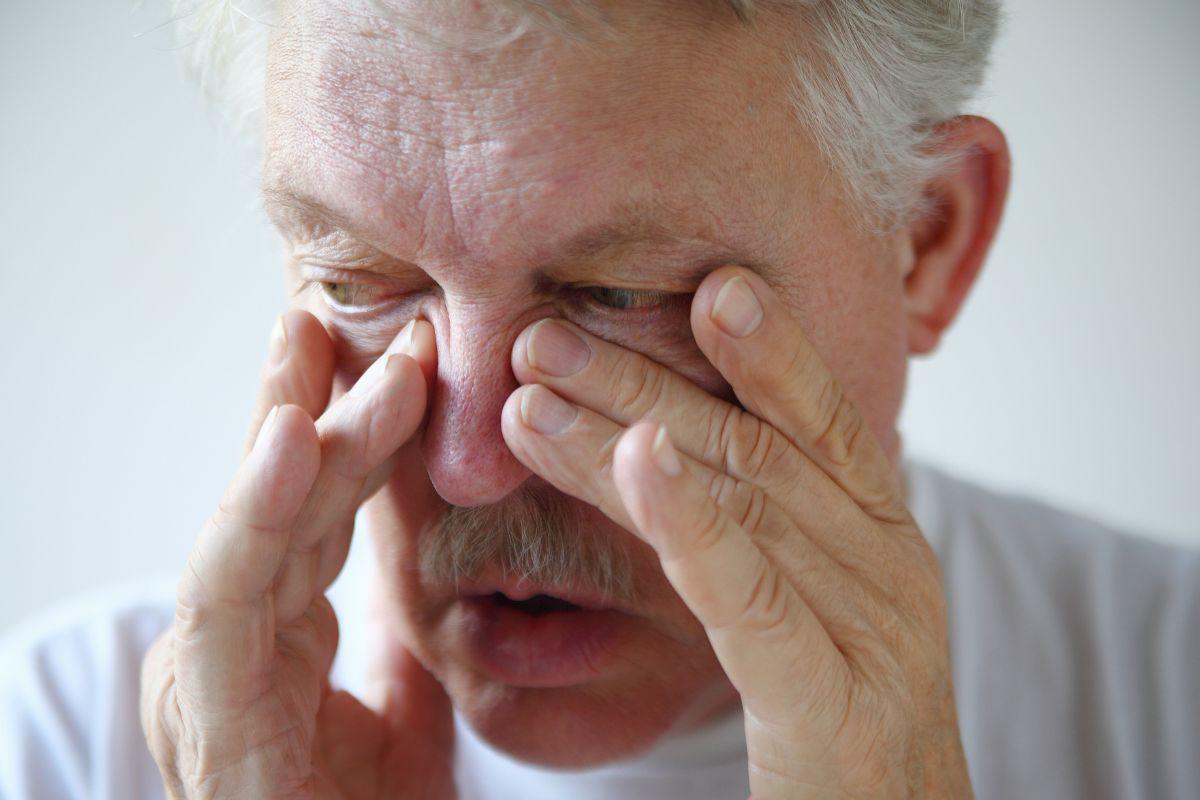
You may feel heaviness in your cheeks, forehead or behind your eyes. Your nose may still feel blocked, or there may be a dull pressure that becomes more noticeable when you bend forward. It can be frustrating, especially when you feel like you should already be better.
In many cases, lingering sinus pressure after a cold is common and not a sign of anything serious. It usually happens because the lining of the nose and sinuses is still swollen and settling down after the infection. That said, symptoms that are worsening, persistent or unusual should be checked so you can get the right advice and avoid unnecessary treatment.
Is lingering sinus pressure after a cold normal?
Yes, it can be normal for sinus pressure to continue for a while after the worst of a cold has passed.
Most colds improve within 7 to 10 days, but congestion and sinus pressure can last for up to two weeks, and sometimes a little longer. This is because recovery happens in stages. The virus may clear, but the inflammation it leaves behind inside the nose and sinuses can take longer to settle.
It may help to think of it as the after-effect of the cold rather than a new infection. As long as your symptoms are gradually improving, and you are not becoming more unwell, lingering pressure is usually part of the normal healing process.
Why does sinus pressure last after the cold has gone?
Sinus pressure often lingers because the lining of the nose and sinuses remains swollen. During a cold, this swelling can narrow the small openings that allow mucus to drain from the sinuses.
When those drainage pathways are partly blocked, mucus does not move as freely, air cannot circulate as well, and pressure can build in the face. This can create the feeling of fullness, heaviness or tightness around the cheeks, forehead or eyes.
This does not usually mean you have developed a bacterial infection. Most lingering sinus symptoms after a cold are caused by inflammation rather than bacteria. A bacterial sinus infection is less common and is more likely when symptoms worsen after initially improving, become more severe, or do not improve over time.
How do the sinuses recover?
The sinuses are small air-filled spaces that rely on clear drainage pathways to work properly. After a cold, these pathways can stay slightly narrowed because the tissues are still irritated and swollen.
While this swelling settles, mucus may drain more slowly and pressure inside the sinuses can feel uneven. That is why you may still feel blocked or heavy in the face even when your sore throat, runny nose or general cold symptoms have improved.
As inflammation reduces, mucus starts to clear more normally, airflow improves and the pressure gradually eases. For some people this takes a few days. For others, especially if they are prone to allergies or irritation, it can take longer.
Why do some people feel blocked for longer than others?
People do not all recover from colds in the same way. Some feel back to normal quickly, while others are left with lingering congestion or sinus pressure.
This can be linked to how strongly your body responds to the infection. Some people have a longer-lasting inflammatory response, which means the nasal passages stay swollen for longer.
Other factors can slow recovery or make symptoms more noticeable. Allergic rhinitis, smoke, pollution, dry air and indoor heating can all irritate the nose and sinuses. Some people also have naturally narrower sinus drainage pathways or a deviated septum, which can make drainage less efficient.
These factors do not always cause problems on their own, but they can become more noticeable during and after a cold.
What signs suggest it may be more than normal recovery?
Lingering sinus pressure is often harmless, but certain changes suggest it may be worth getting checked.
You should pay closer attention if symptoms improve at first and then become worse again, or if facial pain becomes severe, localised or one-sided. A fever, worsening congestion, facial swelling, or symptoms that last longer than 10 to 14 days without any improvement may also need medical advice.
Thick yellow or green mucus can worry people, but mucus colour alone does not always mean you have a bacterial infection. It can still happen during normal recovery. Doctors usually look at the whole picture, including how long symptoms have lasted, whether they are improving or worsening, and whether you feel generally unwell.
When should you see a doctor?
Most cases of sinus pressure after a cold improve on their own, but you should speak to a doctor if your symptoms last longer than 10 to 14 days without improvement, are getting worse instead of better, or keep coming back.
You should also seek medical advice if you have severe facial pain, swelling around the face or eyes, a fever, or symptoms that feel very different from your usual colds.
A doctor can assess whether this is still part of normal recovery or whether another cause needs treatment. Antibiotics are not usually needed unless there is clear evidence of a bacterial infection, so it is best not to start them unnecessarily.
Lingering pressure is usually inflammation, not a new infection
Sinus pressure after a cold is very common. It is usually caused by lingering inflammation and slower sinus drainage rather than a new infection.
Although it can feel uncomfortable and drawn out, it often improves as the swelling settles and the sinuses start draining normally again. The most useful thing is to notice whether your symptoms are easing or escalating. If they are gradually improving, it is likely part of recovery. If they worsen, persist or feel unusual, medical advice can help you understand what is going on and whether treatment is needed.
Find the right specialist for you. Doctify uses verified reviews so you can make the best decision for your healthcare.

Find trusted ENTs in United Kingdom or search for the best specialists globally:
- ENTs in the United Arab Emirates
- ENTs in Germany
- ENTs in Austria
- ENTs in Ireland
- ENTs in Australia
Medically Reviewed
Last reviewed on 06/05/2026