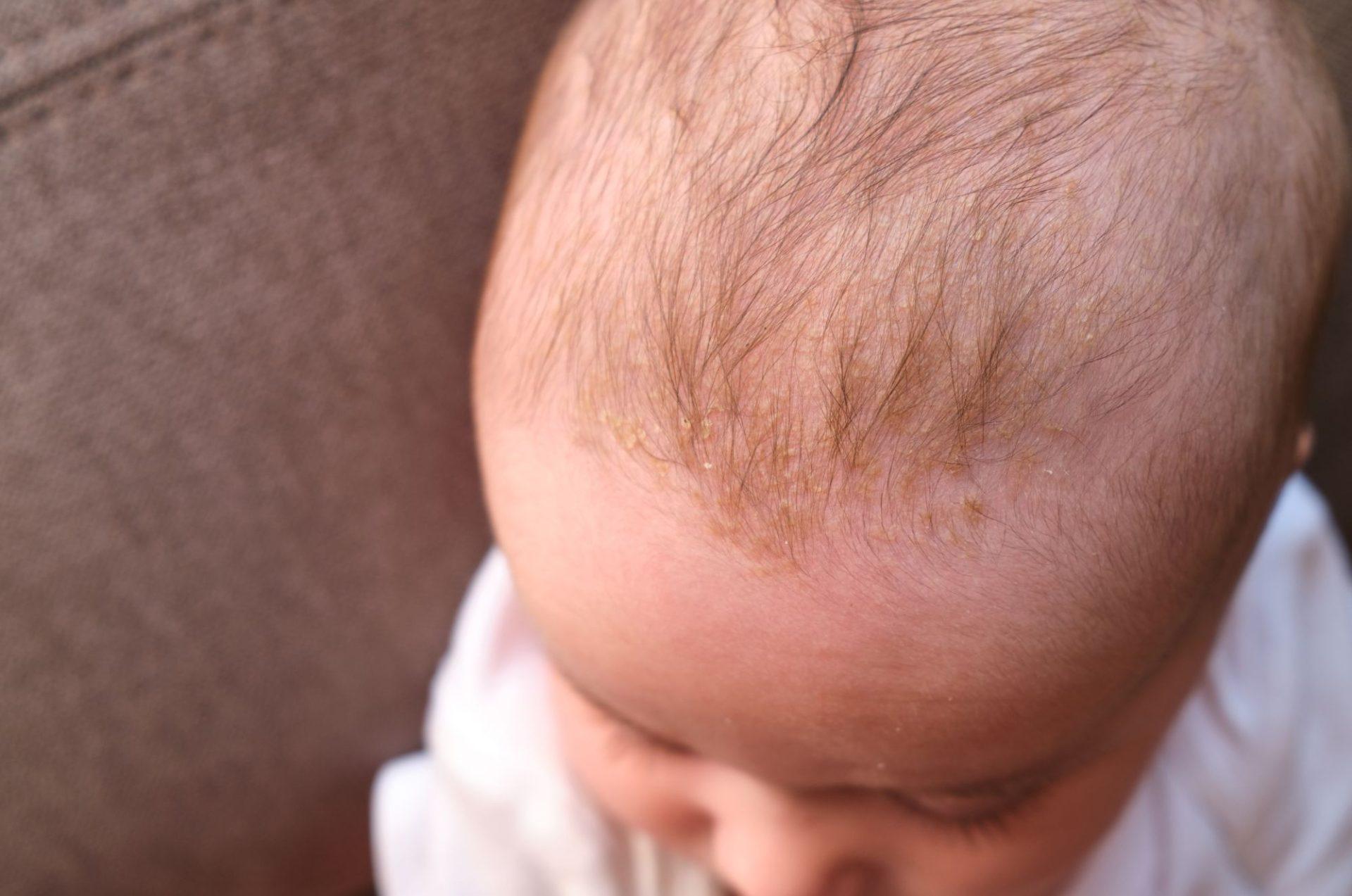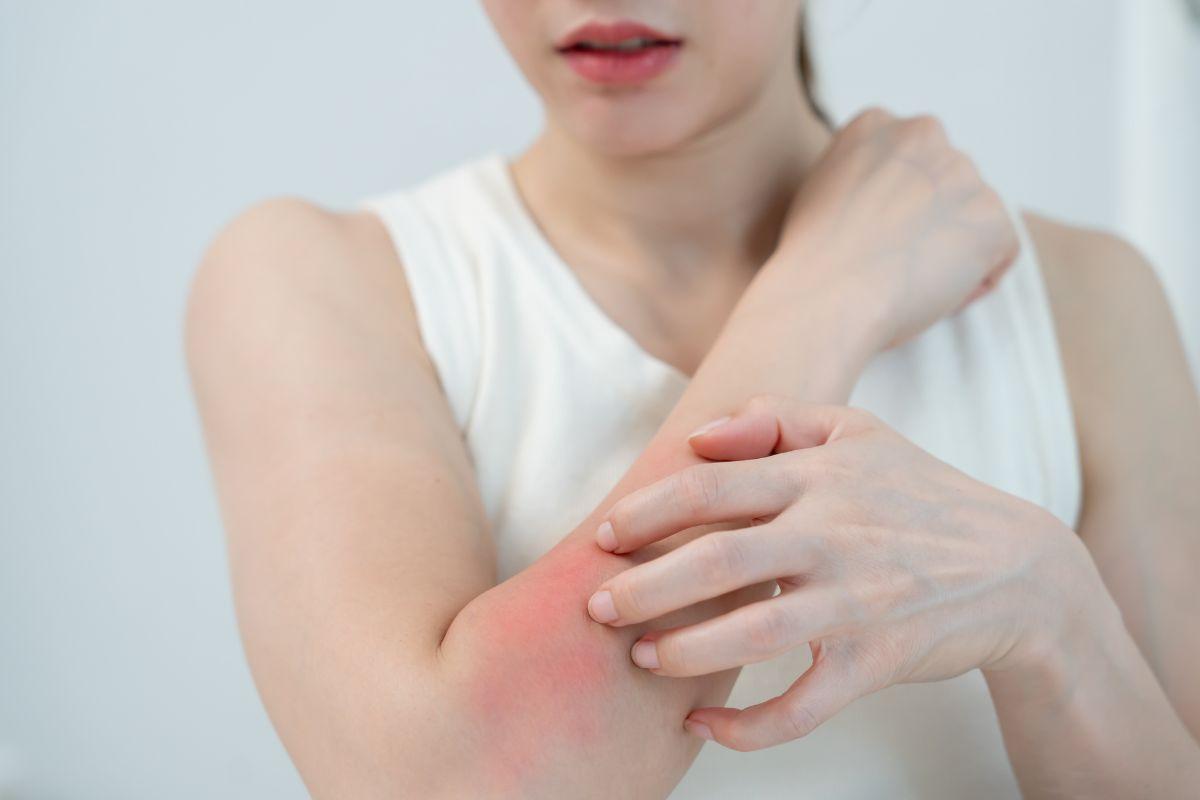
Eczema can be frustrating. Your skin starts to settle, the redness fades, the itching improves, and then suddenly it flares again. Sometimes there is an obvious trigger. Other times, it seems to happen out of nowhere.
That can make it feel as though treatment is not working, or as though you are doing something wrong. In reality, eczema, also called dermatitis, is a long-term condition that often comes and goes. The skin can look calm on the surface while still being sensitive underneath.
Understanding this pattern can make eczema feel less unpredictable and help you manage flare-ups earlier, before they become harder to control.
Is it normal for eczema to keep coming back?
Yes, it is very common for eczema to improve and then flare again. This does not necessarily mean your treatment has failed. It usually means the skin is still prone to dryness, irritation and inflammation.
Eczema is not usually something that is “cured” with one short course of treatment. It is better understood as a condition that needs ongoing care, even during quieter periods. Some people have long stretches where their skin feels comfortable. Others have more frequent flares, especially when they are exposed to triggers.
It can help to think of eczema in a similar way to allergies or asthma. These conditions can be well controlled, but they may still flare when the body is exposed to certain triggers. With eczema, the aim is to reduce flare-ups, calm inflammation early and protect the skin barrier as much as possible.
What can trigger an eczema flare-up?
Eczema flare-ups are often caused by a combination of triggers rather than one single thing. This is why they can feel difficult to predict.
Cold or dry air can draw moisture from the skin and make the barrier weaker. Hot weather and sweating can also irritate the skin and make itching worse. Everyday products, including soaps, shower gels, detergents, shampoos, perfumes and cleaning products, can aggravate sensitive skin.
Some fabrics, especially wool or rough materials, may trigger itching through friction. Dust mites, pollen and pet dander can worsen eczema in some people. Food allergies may contribute in some children, although they are a less common cause of eczema flare-ups in adults.
Stress can also play a role. Many people notice their eczema becomes worse during exams, work pressure, poor sleep or emotionally difficult periods. Stress does not mean the eczema is “in your head”. It can affect the immune system, sleep, scratching and skin sensitivity, all of which can make symptoms harder to control.
Often, it is the build-up of several factors that tips the skin into a flare. For example, cold weather, frequent handwashing and a stressful week may together be enough to make eczema return.
What happens in the skin during a flare-up?
Healthy skin acts like a protective wall. It helps keep moisture in and irritants, allergens and germs out. In eczema, that barrier does not work as well as it should.
When the skin barrier is weaker, the skin loses moisture more easily. This makes it dry, tight and more easily irritated. Irritants and allergens can also enter the skin more easily, which can trigger inflammation.
That inflammation causes itching. Scratching then damages the skin further, which leads to more irritation, more inflammation and even more itching. This is known as the itch-scratch cycle, and it is one of the reasons eczema can become persistent.
Even when the skin looks better, the barrier may still need support. This is why regular moisturising and avoiding known triggers are important even when your eczema seems calm.
How can you tell a flare-up is starting?
Early eczema flares can be subtle. You may first notice dryness, tightness, mild redness or itching. For many people, itching is the first sign that the skin is becoming irritated again.
As the flare develops, the skin may become redder, rougher, swollen or more uncomfortable. You may notice small bumps, cracked skin or patches that feel thicker from repeated scratching. Symptoms may also be worse at night, when there are fewer distractions and the urge to scratch feels stronger.
Recognising your early signs can help you act sooner. For example, you may notice that your skin flares after certain products, during colder weather, after sweating, or when stress and poor sleep build up. These patterns can be useful because early treatment is often easier than trying to calm a more severe flare.
Pain, yellow crusting, weeping, pus or rapidly worsening redness may suggest infection and should be checked by a doctor.
Why does eczema affect people so differently?
Eczema can vary a lot from person to person. Some people only get small patches now and then. Others have more widespread, frequent or severe flare-ups.
Part of this difference comes down to the skin barrier. Some people are naturally more prone to dryness and irritation. The immune system also responds differently from person to person, so the same trigger may cause a mild flare in one person and a much stronger flare in another.
Age can also affect how eczema appears. Children may have eczema on the face or outer arms and legs, while older children and adults often develop it in skin folds, such as the elbows, knees, wrists, neck or hands.
Daily life matters too. Work, cleaning products, frequent handwashing, sweating, clothing, climate, stress and how consistently the skin is moisturised can all influence how eczema behaves.
This is why treatment often needs to be personal. A routine that works well for one person may not be enough for someone else.
When should you seek medical advice?
Mild eczema can often be managed with regular moisturising, avoiding known triggers and using treatments recommended by a pharmacist or doctor. However, it is worth speaking to a GP or dermatologist if your eczema is becoming more frequent, more severe or harder to control.
You should also seek advice if eczema is affecting sleep, work, school, confidence or daily activities, or if over-the-counter treatments are not helping.
Get medical advice promptly if you notice signs of infection, such as increasing pain, warmth, swelling, yellow crusting, weeping, pus or feeling generally unwell.
A clinician can review your skin, check whether infection or another skin condition is involved, and adjust your treatment plan if needed. This may include prescription creams, advice on using treatments correctly, help identifying triggers or referral to a dermatologist.
Calm skin still needs care
Eczema flare-ups are common because eczema is linked to an ongoing sensitivity in the skin barrier and immune response. A flare does not mean you have failed, and it does not mean treatment is pointless.
The aim is to keep the skin as stable as possible, treat inflammation early and reduce the triggers that make your eczema worse. With consistent skin care, the right treatment plan and support when symptoms are not settling, many people can reduce how often flare-ups happen and how much they interfere with daily life.
Find the right specialist for you. Doctify uses verified reviews so you can make the best decision for your healthcare.

Find trusted dermatologists in theUnited Kingdom or search for the best specialists globally:
- Dermatologist in the United Arab Emirates
- Dermatologist in Germany
- Dermatologist in Austria
- Dermatologist in Ireland
- Dermatologist in Australia
Medically Reviewed
Last reviewed on 06/05/2026