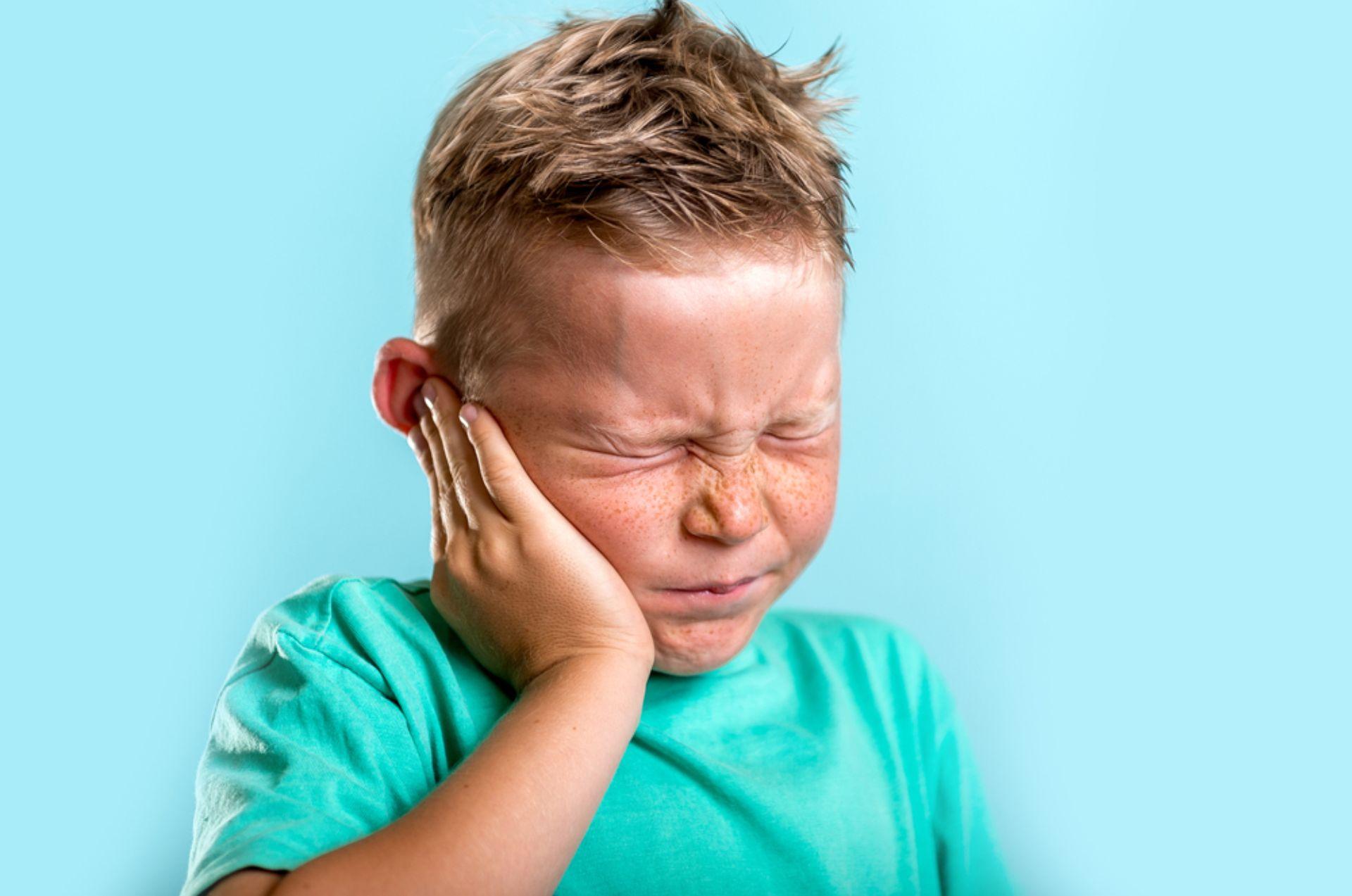
Your child has barely recovered from one bout of ear pain and broken sleep when, a few weeks later, the same symptoms return. After the second or third infection, it is natural to wonder why this keeps happening and whether it could affect their hearing, speech or development.
Repeated ear infections are common, particularly in younger children. Many become less frequent as the ears develop and the immune system becomes better at dealing with childhood illnesses. What matters is how often the infections occur, whether fluid remains between episodes and whether your child’s hearing, sleep, communication or daily life is being affected.
What is happening inside my child’s ear?
Most childhood ear infections affect the middle ear, which is the small space behind the eardrum. This is known as acute otitis media.
An infection often develops during or shortly after a cold. The lining of the nose, throat and Eustachian tubes becomes swollen. These tubes connect the middle ear to the back of the nose and normally allow air to enter the ear while helping fluid to drain away.
When swelling blocks a Eustachian tube, fluid can collect behind the eardrum. Viruses or bacteria may then cause an infection. Pressure builds inside the ear, stretching the inflamed eardrum and causing pain.
A child may develop:
- ear pain
- a high temperature
- disturbed sleep
- irritability or increased crying
- reduced appetite or difficulty feeding
- temporary hearing difficulties
- fluid or discharge from the ear
Younger children may not be able to explain that their ear hurts. Instead, they may become unusually unsettled, rub or pull at the ear, sleep poorly or cry more when lying down.
Most acute middle ear infections start to improve within around three days, although symptoms can last for about a week. Many get better without antibiotics. Treatment depends on your child’s age, symptoms, general health and what a healthcare professional sees when examining the ear.
Why do some children get one infection after another?
Young children are more prone to middle ear infections because their Eustachian tubes are shorter, narrower and positioned more horizontally than those of adults. Fluid does not always drain efficiently, particularly when the tubes become swollen during a cold.
Children also encounter many respiratory viruses during their first few years at nursery or school. Sometimes another cold arrives before the middle ear has fully recovered from the previous one.
Other factors that may increase the likelihood of repeated infections include:
- younger age
- frequent colds and viral infections
- exposure to cigarette smoke
- enlarged adenoids
- persistent nasal blockage
- certain conditions affecting the shape or function of the face and palate
The adenoids are areas of immune tissue at the back of the nose. If they become enlarged, they can interfere with how the Eustachian tubes work.
Repeated infections are not usually caused by anything a parent has done wrong. It is not possible to prevent every ear infection. Keeping childhood vaccinations up to date, avoiding smoky environments and not using a dummy after six months may help reduce the likelihood.
Could fluid behind the eardrum affect my child’s hearing?
Sometimes the infection clears but fluid remains behind the eardrum. This is called glue ear, or otitis media with effusion.
Glue ear is not the same as an active ear infection. It does not usually cause a high temperature or significant pain, but it can make sounds seem quieter or muffled.
You may notice that your child:
- does not always respond when called
- asks people to repeat themselves
- turns up the television or tablet volume
- speaks more loudly than usual
- struggles to hear in busy or noisy places
- seems distracted or tired when listening
- finds it difficult to follow instructions
Older children may describe their ears as blocked or full.
Glue ear often clears naturally within three months. If it affects both ears and causes hearing loss, your child’s hearing will usually be reassessed after around three months. Earlier support may be considered if the hearing difficulty is already having a significant effect on communication, learning or everyday life.
While waiting for reassessment, it can help to get your child’s attention before speaking, face them so they can see you clearly and reduce background noise where possible. Their nursery or school should also know about the hearing difficulty so that teachers can seat them closer to the front and check that they have understood instructions.
There is no routine medicine that reliably clears glue ear. Antibiotics do not treat the fluid itself, although they may be needed if your child develops a separate acute infection.
Can repeated ear infections affect speech or learning?
Most children who have ear infections do not develop long term problems with speech, hearing or learning.
However, persistent or fluctuating hearing loss can make it harder for a child to hear speech clearly. This matters because children learn new sounds and words by repeatedly hearing the people around them.
Possible signs that hearing is affecting communication include:
- delayed speech or fewer words than expected for their age
- unclear pronunciation
- speaking unusually loudly
- frustration during conversations
- difficulty following instructions
- problems concentrating at nursery or school
- behaviour that appears inattentive or challenging
These signs do not automatically mean that your child has a serious hearing problem. They do mean that a hearing assessment would be sensible, particularly if the changes have lasted for several weeks or have also been noticed by teachers or nursery staff.
Would my child need grommets?
Not every child with recurrent ear infections or glue ear needs grommets. Many improve naturally as they grow, while others may need monitoring, hearing tests or support with hearing at home and school.
Grommets may be discussed when glue ear is causing hearing loss, particularly when it persists or has a noticeable effect on speech, education or daily life. An ENT specialist may also consider them for some children who experience frequent, well documented middle ear infections.
Grommets are tiny ventilation tubes placed into the eardrum during a short operation under general anaesthetic. They allow air to enter the middle ear and provide a route for fluid or pus to drain. They normally fall out on their own as the eardrum heals.
The decision should take account of how often your child becomes unwell, whether they have hearing loss, how their speech or learning is progressing and how much the problem affects family life. Alternatives may include continued monitoring, hearing support or autoinflation for children who are old enough to manage it.
Grommets can improve hearing and may reduce the number or severity of infections, but they also carry risks. These can include ear discharge, infection, scarring of the eardrum and a small chance that the opening in the eardrum does not close after the grommet falls out. An ENT specialist should discuss these benefits and risks with you before any decision is made.
When should I get medical help for my child’s ear infections?
Arrange an appointment with a GP or another appropriate healthcare professional if:
- your child is under 12 months old and you think they have an ear infection
- their earache has not started to improve after three days
- they keep getting ear infections
- you are concerned about their hearing
- they regularly ask for repetition or do not respond when called
- their speech appears delayed or unclear
- nursery or school has raised concerns about listening, concentration or communication
- fluid or hearing difficulties appear to continue between infections
Ask for an urgent GP appointment or contact NHS 111 if your child becomes generally unwell, has a very high temperature or is shivering, develops swelling around the ear, has fluid coming from the ear, experiences new hearing loss, or becomes dizzy or starts vomiting.
Urgent assessment is also needed if there is pain, redness or swelling behind the ear, particularly if the ear begins to stick out. These can be signs of mastoiditis, a rare but serious infection of the bone behind the ear.
A baby under three months old with a temperature of 38°C or above should be assessed promptly. Seek emergency help if your child is difficult to wake, confused, has a stiff neck with a severe headache or appears seriously unwell.
Will my child grow out of recurrent ear infections?
In many cases, yes. Ear infections tend to become less frequent as the Eustachian tubes grow, drainage improves and the immune system becomes more experienced at dealing with common viruses.
The number of infections is only part of the picture. It is equally important to notice whether your child hears normally between episodes and whether the problem is affecting their sleep, speech, confidence or education.
If the infections continue or something about your child’s hearing or communication does not feel right, an assessment can help distinguish between recurring acute infections and persistent glue ear. From there, you can decide whether your child needs reassurance, monitoring, a hearing test or support from an ear, nose and throat specialist.
Find the right specialist for you. Doctify uses verified reviews so you can make the best decision for your healthcare.

Find trusted ENT surgeons in the United Kingdom, or search for top specialists globally:
- ENT surgeons in the United Arab Emirates
- ENT surgeons in Germany
- ENT surgeons in Austria
- ENT surgeons in Ireland
- ENT surgeons in Australia
Medically Reviewed
Last reviewed on 10/07/2026