Normally, your heart contracts and dilates at a regular heartbeat. An atrial fibrillation (AF) is an abnormal heartbeat or arrhythmia of the upper chambers of the heart or atria, not enough blood is pumped out of the atria, leading to blood accumulation and the formation of blood clots. An untreated AF can lead to big blood clots, strokes, heart failure, among other heart-related complications. Some patients can struggle with symptoms despite medication due to individual variations in response, persistent triggers, co-existing conditions, or because of the type of AF. A great alternative option is catheter ablation, it’s a common and well-studied procedure performed by cardiologists and electrophysiologists. Doctify helps patients find experienced cardiologists and electrophysiologists that will help you through the path.
What is catheter ablation?
Catheter ablation is a procedure that restores the rhythm control by destroying or killing the area of the heart that is producing the irregular heartbeats, it could be through radiofrequency ablation or cryoballoon ablation. Radiofrequency ablation uses heat to destroy tissue, while cryoballoon ablation uses cold to freeze and kill tissue. The procedure targets abnormal electrical pathways in the heart with a catheter guided to the specific parts where the abnormal electrical signs have been rising.
Who may benefit the most from AF ablation?
Below is the list of patient that can be more benefited by the AF ablation:
- Patients with symptomatic AF who do not respond to or cannot tolerate medical therapy.
- Younger patients or those who want to avoid long-term medication.
- People with paroxysmal AF vs. persistent AF.
- Patients with an enlarged left atrial.
Having an enlarged left atrial can be dangerous since it indicates the heart has structural changes that increases the risk of AF, stroke, heart failure, and other heart complications.
Signs it may be time to consider ablation
If you have any of the following, you should consider seeing a specialist for a possible catheter ablation:
- Persistence of palpitations or irregular heartbeat despite medication.
- Trouble with fatigue, shortness of breath, or exercise intolerance.
- AF episodes that are becoming more frequent or lasting longer.
- AF has impacted daily life, sleep, or work.
What happens before the procedure?
Here is a step-by-step previous to the procedure:
- Initial consultation with a cardiologist or electrophysiologist.
- ECG, echocardiogram, and possibly cardiac CT/MRI to assess atrial size.
- The specialist reviews the current medications, exams, and overall health.
- The specialist gives a detailed explanation of procedure expectations and recovery.
How catheter ablation is performed
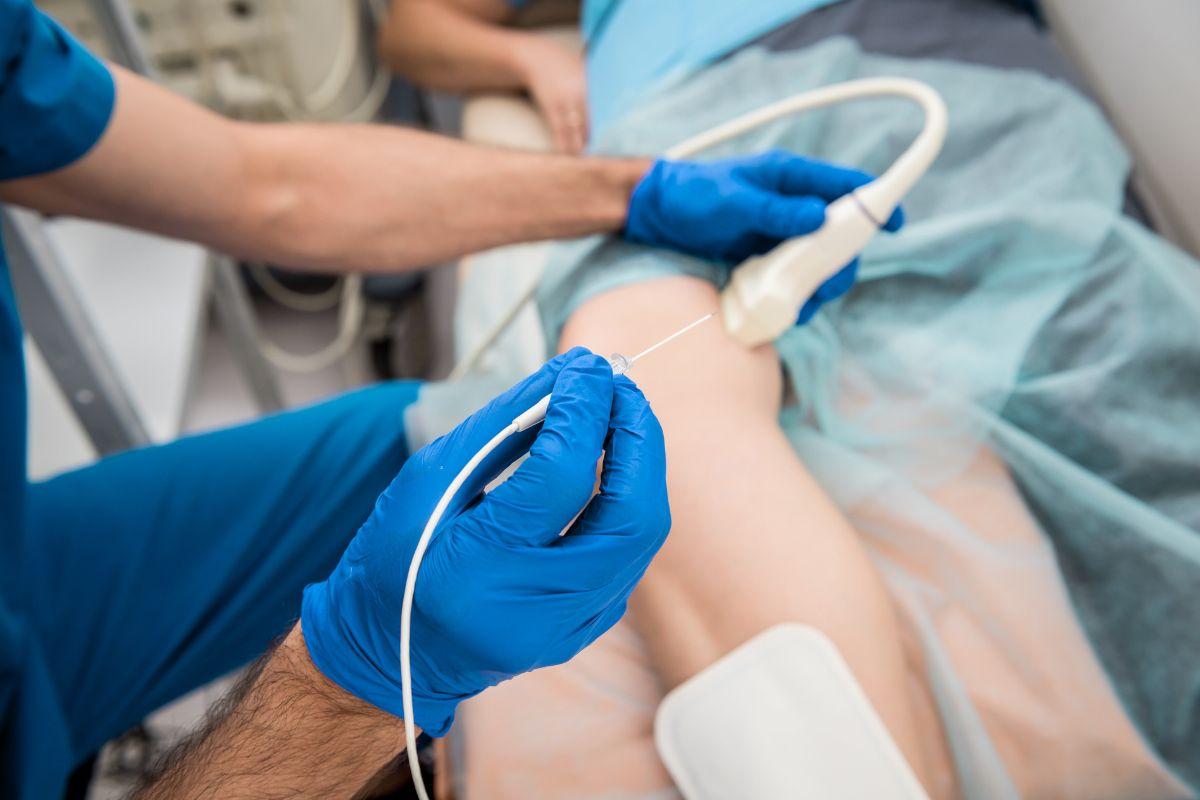
First, you will receive general anesthesia or a sedative if the specialist prefers to have you awake during the procedure. If needed, the nurse will shave the area where the catheter will be inserted. Then, the specialist will make a needle punctuation through the skin and the catheter will be inserted through a vein (usually in the groin) and guided to the heart. At the same time, he will be mapping the abnormal electrical circuits to locate the abnormal tissue causing the arrhythmia. Finally, he will decide to use heat or cold energy to destroy the tissue. The procedure can take four hours or longer.
What to expect after ablation
After the ablation, you can go home the same-day or might require just one overnight stay in the hospital. There are symptoms that may occur temporarily as palpitations, mild chest discomfort, fatigue, but they will start to decrease over time. You experience swelling, bruising, or a small lump on the sites where the catheters went into your body, but they will go away between 3-4 weeks. It is very important to have follow-up appointments and rhythm monitoring. Patients can return to normal activities within a few days. During the first 24 hours have absolute rest, don’t do exercise until the doctor indicates to, drink plenty of fluids and a normal diet.
How successful is AF ablation?
The AF ablation may reduce AF episodes and improve quality of life thanks to its advanced technology. As well, it can impact the left atrial size on long-term results. Nonetheless, the success varies depending on AF type: higher for paroxysmal than for persistent AF. Still there exists a possibility of needing a second procedure in the future, depending on the case.
Risks and complications to consider
Here are the risks and complications to have into consideration:
- Bleeding or bruising at the catheter site.
- Temporary rhythm disturbances.
- Rare complications like stroke or cardiac tamponade.
Choosing an experienced cardiologist reduces these risks and complications.
Ablation vs. medication: How to decide
The decision of medication or ablation should be taken by the specialist and the patient. It will depend of many factors such as:
- The age of the patient
- The past medical history of the patient
- When the specialist considers medications are enough for the patient.
- When the specialist considers ablation offers a better long-term outlook.
That’s why it is very important to share decision-making with your specialist.
How Doctify can help
Doctify connects patients with cardiologists that are as well electrophysiologists specialising in AF ablation. Doctify offers verified patient reviews that can be very helpful when choosing a cardiologist or electrophysiologist. We invite you to schedule an assessment with a trusted provider.
Conclusion
An untreated AF can lead to big blood clots, strokes, heart failure, among other heart-related complications. Catheter ablation is a safe and effective option for many with symptomatic AF. We invite readers to explore your options early and consult a specialist to determine the best approach for your heart health.
Feel free to consult a cardiologist through Doctify for personalised advice whenever you want, we will be happy to help you! Find the best cardiologist in the United Kingdom or search for the best specialists globally:
- Cardiologist in the United Arab Emirates
- Cardiologist in Germany
- Cardiologist in Austria
- Cardiologist in Ireland
- Cardiology in Australia
Medically Reviewed
Last reviewed on 02/12/2025